Start with the project scope
Before comparing suppliers, define what the project requires. Identify whether you need a UL 891 switchboard assembly, another type of low-voltage equipment, or medium- or high-voltage switchgear. Those categories have different design and procurement considerations. Gather available one-line diagrams, load information, system voltage, fault-current data, main and feeder requirements, enclosure conditions, and project specifications. An engineer must establish and review design requirements; do not assume a supplier can infer missing details.
Also clarify what is included in the purchase. A project may require a complete assembly, replacement sections, specific metering or protective-device arrangements, or coordination with equipment supplied by others. Confirm who provides drawings, reviews submittals, answers technical questions, and handles shipping coordination. A clear scope makes channel comparisons more meaningful and helps prevent gaps between the equipment ordered and the project documents.
When direct manufacturer purchasing fits
Purchasing directly from a manufacturer can suit projects that need a custom-built configuration or close discussion of assembly scope. The project team can present its requirements to the company building the equipment and ask how requested options affect drawings, component selection, and order coordination. For new switchgear and UL 891 switchboard assemblies, direct discussion can help identify open technical questions before procurement is finalized.
Ask which information is needed to prepare a quote and what the manufacturer will confirm before an order proceeds. Useful questions include whether the proposed equipment matches the specified assembly type, which components and features are included, what submittal and approval steps apply, and when the schedule can be confirmed. American-made components and short lead times may be important purchasing considerations, but neither should be assumed for every configuration. Confirm component availability and the timeline for the specific order.
When distribution may be useful
Electrical distributors can be a practical route when procurement depends on an established supply relationship, consolidated purchasing, or access to a range of electrical products. Their role and technical support vary. Ask whether the distributor is quoting a standard product or coordinating a custom assembly, who answers equipment-specific questions, and how design changes or submittal comments will reach the manufacturer.
For a custom switchboard or a specification with detailed requirements, establish the communication path before selecting the channel. Determine who verifies the requested configuration, identifies deviations, manages revisions, and confirms what the quote includes. Compare the full scope and schedule rather than relying only on a quoted price or an initial availability statement. The responsible engineer and authority having jurisdiction must review applicable design and installation requirements.
Evaluate other purchasing routes carefully
Some projects procure through an electrical contractor, an engineering-led package, or a broader equipment integrator. These routes can simplify coordination when one party is responsible for multiple parts of the project. They can also add handoffs. Ask who owns the switchgear specification, who approves substitutions, and who tracks manufacturer questions and drawing revisions. Make sure procurement documents identify the equipment manufacturer and define the assembly and included options clearly.
Regardless of channel, base the decision on documented scope, technical accountability, schedule confirmation, and the support required for the job. Do not treat a general product description as proof that a particular configuration is certified, available, or suitable for the installation. For UL 891, confirm that the specified product is a switchboard assembly evaluated to that standard; UL 891 does not serve as a blanket listing for medium- or high-voltage switchgear.
Compare quotes and coordinate Georgia delivery
For an apples-to-apples quote, share the project location in Georgia, requested equipment type, system voltage, one-line diagram, applicable specifications, main and feeder details, enclosure requirements, metering and protective-device needs, and any required options. Include target submittal and delivery dates, site receiving constraints, unloading arrangements, and the person authorized to approve drawings. If information is incomplete, identify what remains open rather than treating assumptions as settled requirements.
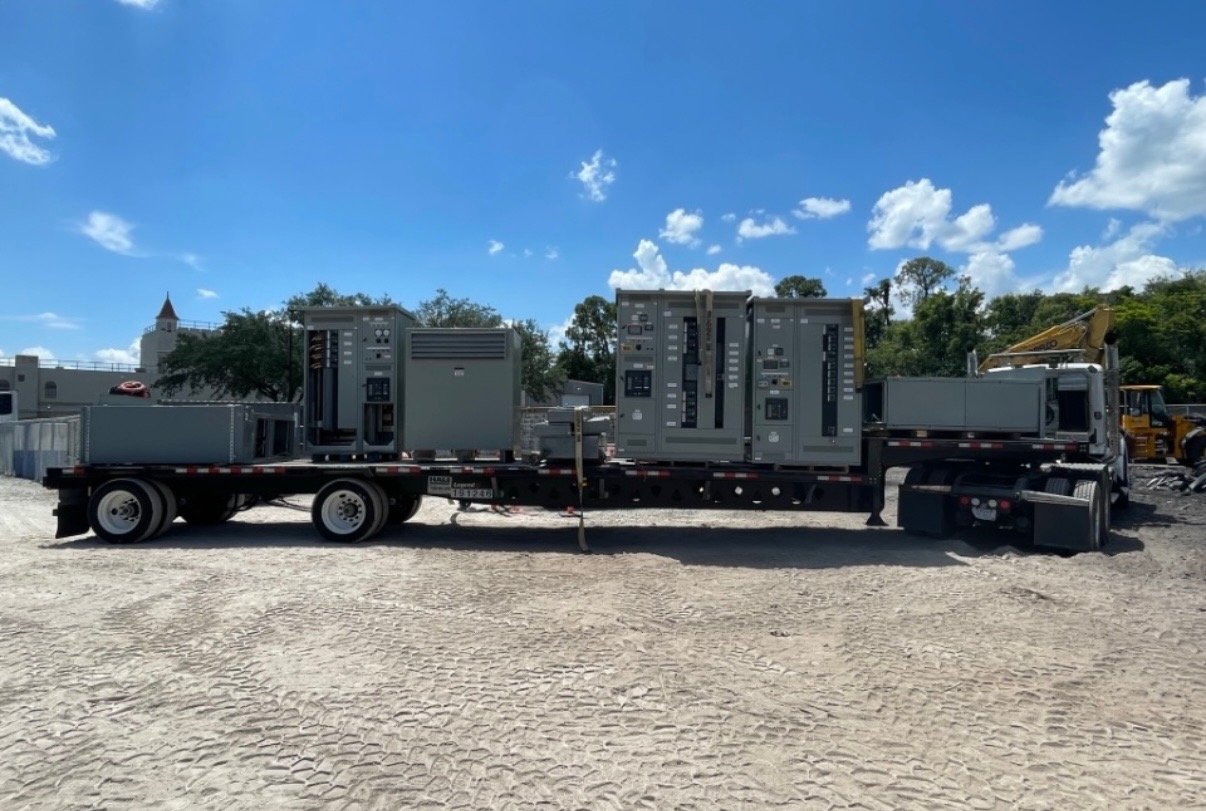
Ask each supplier to state the quoted scope, exclusions, drawing process, revision responsibilities, and the point at which schedule and availability will be confirmed. Nationwide shipping can support Georgia projects, but delivery planning depends on the order and destination. Confirm the shipment destination, receiving hours, access limitations, and who will inspect and accept the equipment. Coordinate installation and energization through qualified personnel under the project’s approved plans.
Choose the channel that owns the handoff
The best purchasing route is the one that fits the project’s complexity and gives the team a clear path from specification to delivery. Direct manufacturer purchasing can make sense when custom configuration and manufacturer-level clarification matter; distribution or contractor-led procurement may fit broader packages or established purchasing workflows. In every case, name the party responsible for technical questions, approvals, order changes, and delivery coordination.
Before issuing a purchase order, compare the final quote with the project specification and approved design, resolve exceptions, and document the agreed scope and schedule. For a Georgia project, provide the destination and receiving constraints early so shipping can be considered during order planning. Share the one-line diagram, specifications, requested options, and target dates with the prospective supplier, then ask for written confirmation of what is included and what still requires review.