Build the project basis before requesting pricing
Start with the facility’s electrical one-line diagram and the project scope. Identify whether the request is for a switchboard assembly or another type of switchgear, what equipment it connects to, and whether it serves new construction, a replacement, or an expansion. Include the available utility or upstream information and the intended system voltage, phase, frequency, and grounding arrangement. If any value is unknown, mark it as pending rather than assuming a typical condition.
Describe the service conditions that affect equipment selection and construction. Share the available fault-current information, required interrupting or withstand ratings, continuous current needs, and any planned future load. Explain whether the gear will serve critical loads, motors, generators, transfer equipment, or distributed energy resources. The manufacturer can review the requested configuration against the supplied design basis; final system decisions belong with the project engineer and relevant authorities.
Translate loads into an equipment schedule
Provide a load schedule that distinguishes present loads from planned additions. For each feeder, identify its destination, load type, required current, and any known starting or operating characteristics. Call out spare or space provisions separately: a spare breaker, an empty compartment, and physical room for a future device are different requirements. State which loads need dedicated metering, control, or monitoring so those functions can be included in the offer scope.
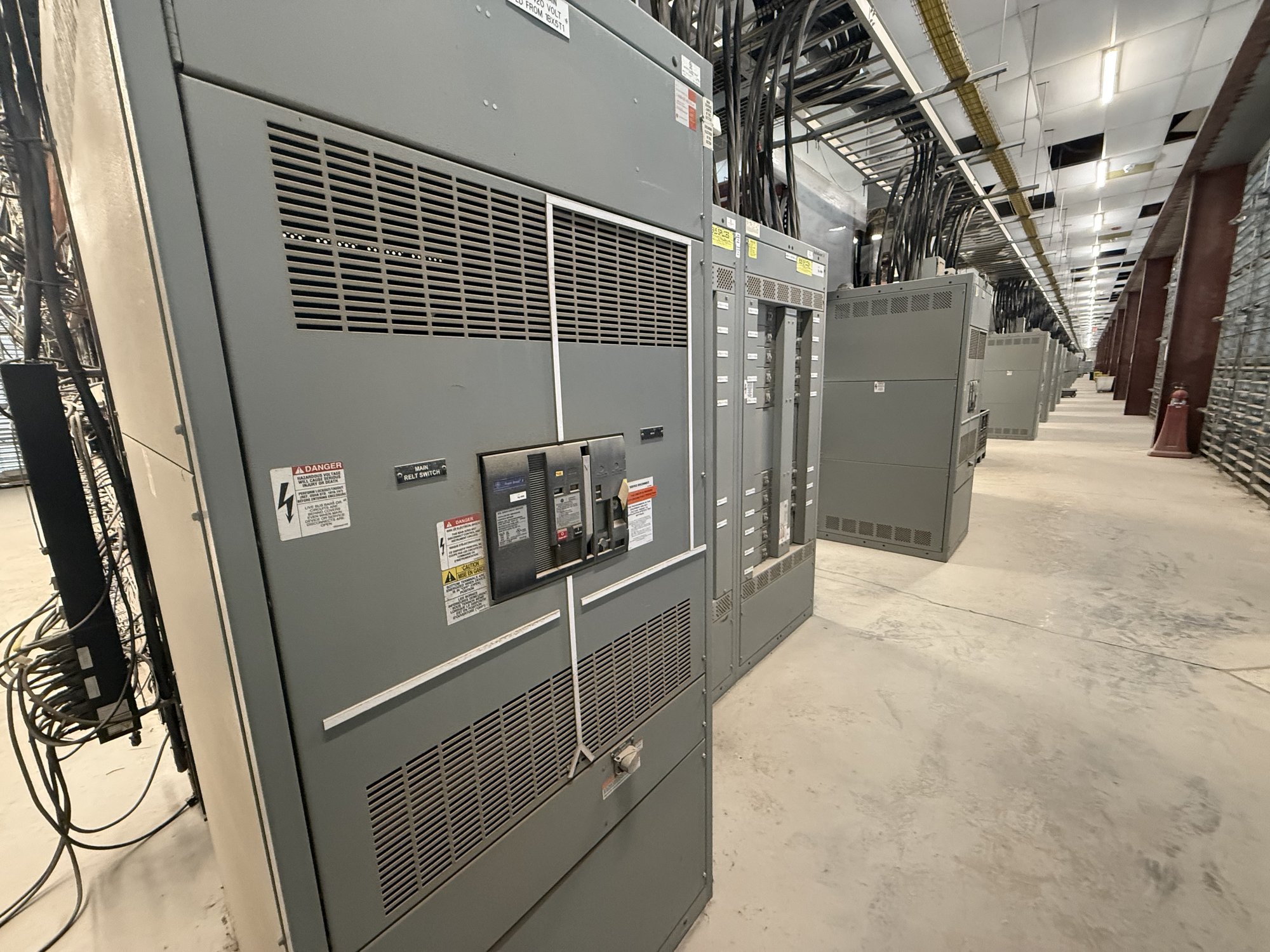
For a switchboard, clarify the desired arrangement, main-device approach, feeder-device types and quantities, and any required compartments or sections. Identify control power, protective devices, metering, communications, and labeling needs, while noting which items are specified by the engineer and which remain open for coordination. UL 891 applies to switchboard assemblies; it should not be treated as a blanket listing for medium- or high-voltage switchgear. Confirm the applicable equipment category and standards for the actual application.
Resolve site and installation constraints
Give the manufacturer the available room dimensions, equipment location, access path, and any restrictions on moving or setting the assembly. Note indoor or outdoor exposure, ambient conditions, elevation if relevant to the design basis, and known environmental concerns such as dust or moisture. Include the intended cable entry and exit directions, conductor material and sizes when established, conduit locations, and termination preferences. These details can affect layout and the fit between the equipment and the building.
For Georgia delivery, identify the project site and the planned receiving conditions without assuming a particular local service or delivery arrangement. Share gate or dock limitations, unloading responsibility, receiving hours, storage plans, and whether delivery must be coordinated with a construction sequence. If equipment will wait before installation, plan a suitable protected storage area and confirm handling and preservation requirements with the project team. Delivery timing and configuration are confirmed for each order, so connect the requested schedule to actual site readiness and access.
Make the written offer easy to evaluate
Ask the offer to state the equipment description, quantity, configuration basis, included devices and accessories, exclusions, and any assumptions or information still needed. Compare the proposed lineup against the one-line diagram, feeder schedule, room layout, and project specification. Check that device counts, ratings, metering, control functions, enclosure details, and cable provisions match the project intent. An omitted requirement can be as important as a mismatch in an included item.
Review commercial and schedule terms alongside the technical scope. Confirm what documents are included for review, what approvals or customer inputs are needed, how changes are handled, and what delivery point and shipping scope apply. Ask how the stated schedule relates to drawing review, release for manufacture, and final configuration. American-made components, short lead times, nationwide shipping, and custom-built configurations may be available depending on the order; verify the specific component scope, availability, and timeline in the written offer rather than treating them as universal commitments.
Coordinate release, delivery, and handoff
Before authorizing manufacture, resolve open technical items with the engineer of record and the parties responsible for system protection, installation, and acceptance. Confirm the final approved drawings, equipment tags, naming conventions, required submittal information, and any interface points with other packages. Record who approves revisions and who receives schedule updates. Changes to load, fault-current data, room dimensions, or feeder arrangement after release can affect the design and schedule, so route revisions through the agreed project process.
Prepare the purchase request with the one-line diagram, load and feeder schedules, site constraints, required standards, delivery location, and requested dates. Attach a concise list of unresolved questions and ask the manufacturer to identify assumptions in its written response. Then compare that response line by line with the project basis, settle exceptions before release, and align delivery planning with site access and receiving readiness. This gives Georgia project teams a practical path from defined service conditions to an order that can be reviewed and handed off clearly.