What a Georgia service area means
A service area describes the locations where a project may be supported through equipment specification, order coordination and delivery planning. It is not a directory of company offices, warehouses or field crews. A city page can help identify the relevant geographic context, but the project’s exact scope and delivery destination still need review before an order is confirmed.
Georgia projects vary widely: a switchboard for a commercial building in a dense urban setting has different access and coordination needs from equipment headed to an industrial site or a remote facility. Coverage is evaluated against the delivery address, equipment requirements and project timing. Do not assume that a nearby city name guarantees a particular service, delivery date or local presence.
Start with the project location and scope
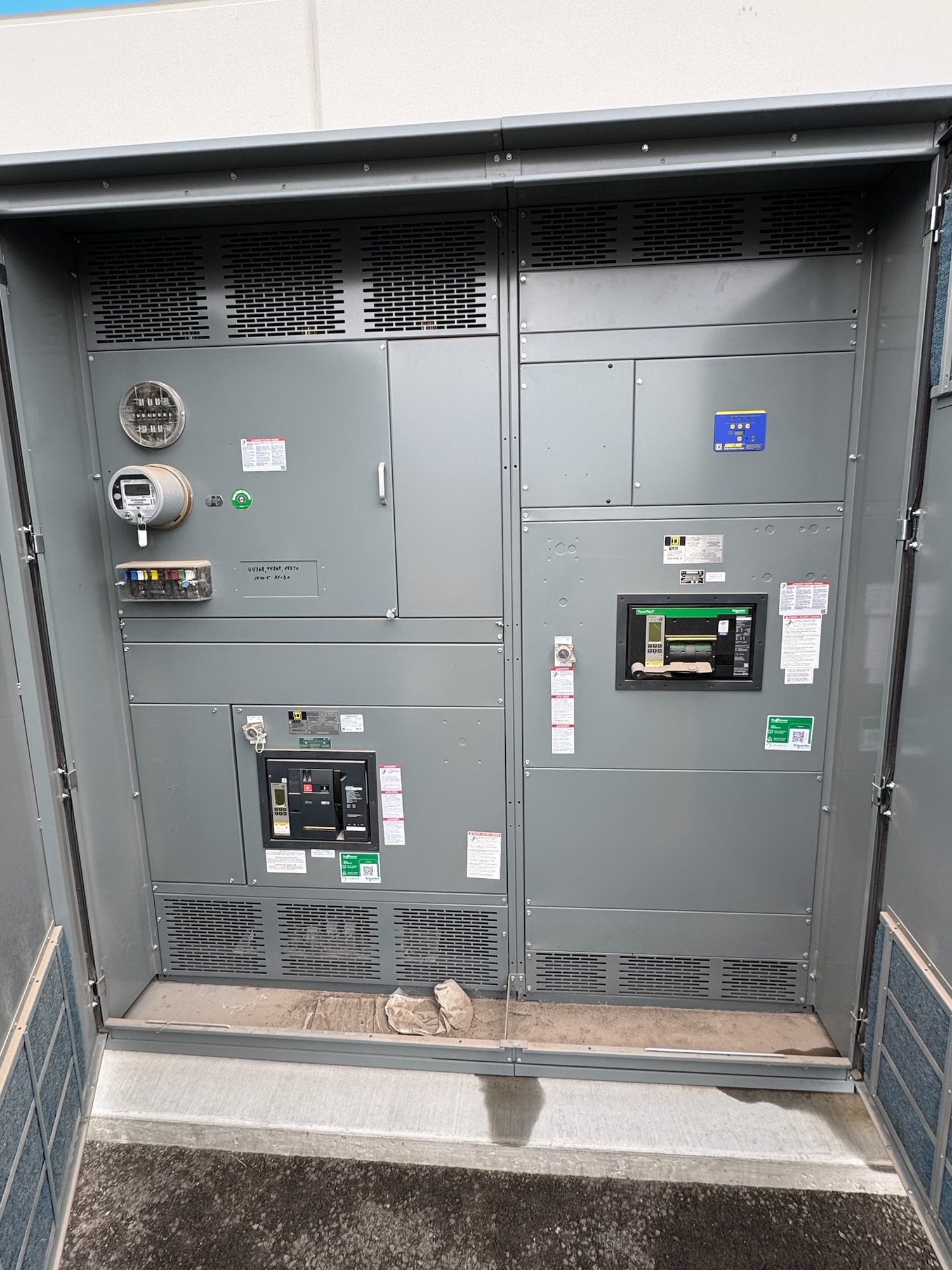
For an initial quote, provide the project city and full delivery address when available, along with the equipment type, quantity and intended application. Identify whether the requirement is a new UL 891 switchboard assembly or another switchgear configuration; UL 891 applies to switchboards and does not establish a blanket listing for medium- or high-voltage equipment. Include the required system voltage, phase, frequency and service conditions when known.
A site address alone is not enough to determine a suitable configuration. Share the one-line diagram, preliminary load information, main and feeder requirements, available fault-current information, and project specifications if they are ready. Note any constraints such as indoor or outdoor placement, equipment-room dimensions, access route, enclosure requirements or interfaces with existing systems. Engineering review is needed to resolve design details and confirm applicable requirements.
Resolve engineering decisions before procurement
Georgia service-area planning should connect location details to the equipment’s actual installation context. Confirm who is responsible for design, review and approval, and identify the project engineer or other authorized technical decision-maker. Clarify whether the requested assembly must match an existing lineup, coordinate with upstream or downstream equipment, or accommodate specified metering, protective devices or control interfaces.
Procurement teams can reduce avoidable revisions by sharing the current specification, approved drawings when available, required submittals and any exceptions that need evaluation. State whether the project has a firm equipment schedule, a phased release or a construction milestone that affects delivery. Component selection, custom configuration and documentation depend on the confirmed scope; American-made components may be part of the requested build, but availability and suitability are checked for the order rather than assumed.
Plan delivery around Georgia site conditions
Delivery planning starts with the equipment destination and the site’s ability to receive it. Confirm receiving hours, unloading responsibility, truck access, security procedures, laydown space and any restrictions on vehicle size or delivery windows. For projects with tight urban access, active construction or limited staging, identify those conditions early so the delivery plan can be reviewed against the equipment dimensions and shipment details.
A Georgia destination can affect route planning and coordination, but geographic coverage does not promise a specific transit time or delivery appointment. Short lead times may be possible depending on the design, components, approvals and production schedule; the exact timeline is confirmed for each order. Keep the site superintendent, purchasing contact and receiving team aligned on the agreed shipment plan and any changes to the address or schedule.
Keep the project handoff clear
A clean handoff begins when the quote scope, approved configuration and delivery expectations are recorded consistently. Identify the person authorized to approve technical changes, the purchasing contact who will release the order, and the site representative responsible for receiving equipment. Confirm drawing review milestones, submittal requirements, labeling information and the documents expected with the shipment.
Before release, compare the final equipment scope with the latest project documents. Check quantities, lineup arrangement, ratings, enclosure details, accessories and connection requirements against the approved design. Any discrepancy should be resolved by the responsible engineer and manufacturer before fabrication proceeds. Installation, service and energization should be handled by qualified personnel under the project’s approved procedures and applicable authority review.
Prepare a useful coverage and quote request
A practical request includes the Georgia project address, requested equipment, one-line diagram or specification, target schedule, receiving constraints and the name of the technical decision-maker. Add known electrical ratings, environmental conditions, lineup dimensions, required options and any interface details. If information is preliminary, label it as such and identify what remains under engineering review rather than treating assumptions as approved requirements.
Use the relevant city page to orient the request, then ask for confirmation of project coverage, configuration scope, component availability and order timeline for the actual destination. This keeps geographic information separate from commitments that can only be made after review. Send the current project documents and delivery conditions with the inquiry so the manufacturer can evaluate the new equipment request and clarify next steps.