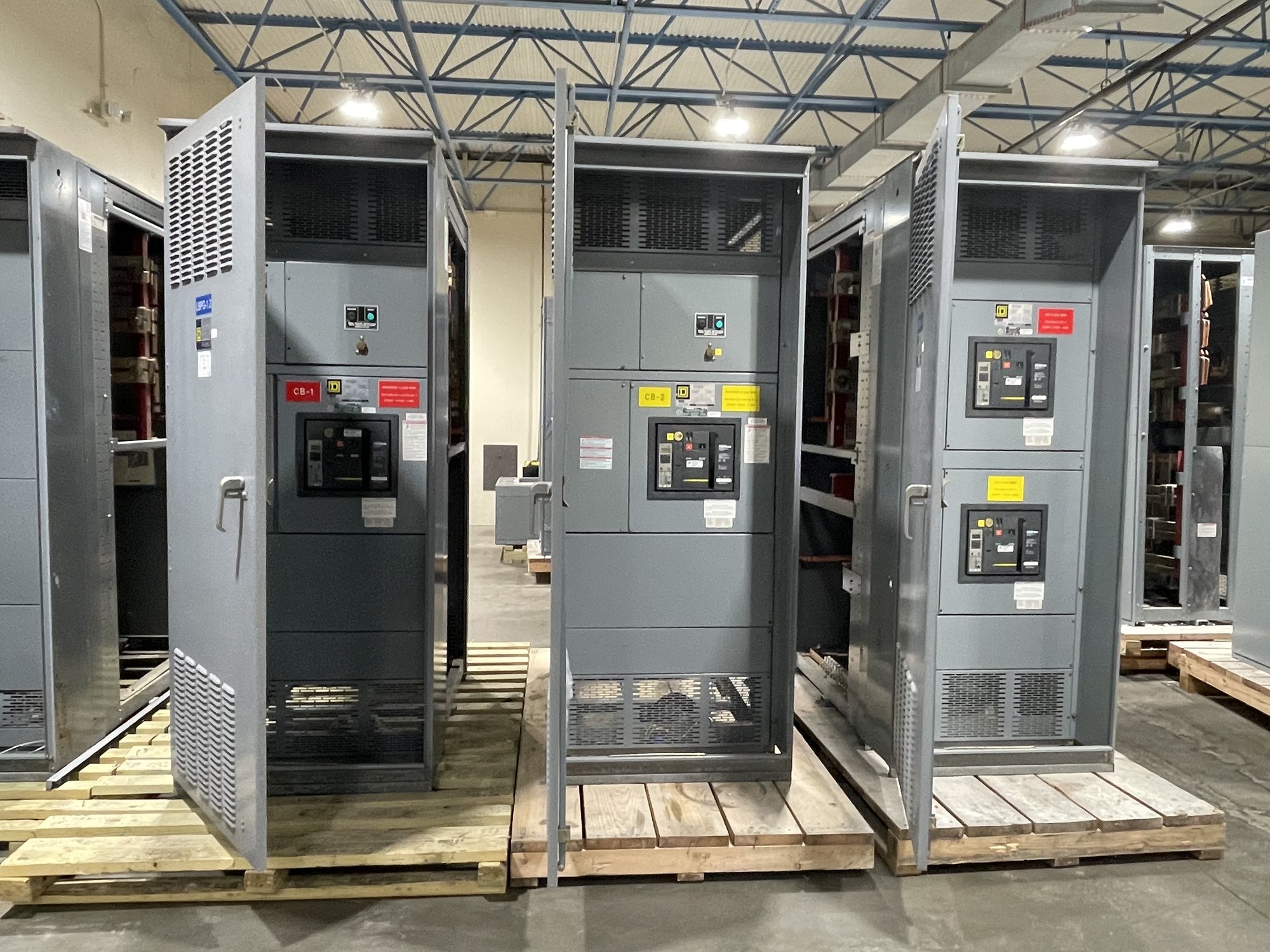
Start with the equipment scope
“Switchgear” can refer to equipment with different functions and voltage classes, so begin by identifying what the project actually requires. Is the request for a low-voltage switchboard, medium-voltage equipment, or another assembly? Describe its role in the distribution system, such as service entrance, feeder distribution, a generator connection or a facility expansion. The one-line diagram and project specifications help distinguish required functions from shorthand used in an early budget request.
For switchboard requirements, UL 891 is the relevant switchboard standard; it is not a blanket listing for medium- or high-voltage switchgear. Do not assume a standard or certification applies to every component or proposed assembly. Confirm the requested equipment category, applicable standards, required documentation and certification scope with the project engineer and the authority having jurisdiction. The final configuration and ratings depend on the reviewed design.
Give engineering enough to evaluate the design
Useful quote information includes the one-line diagram, project specifications, nominal system voltage and frequency, available fault-current information, main and feeder requirements, and the intended source arrangement. Identify the number and type of outgoing circuits, any metering or protective-device requirements, and whether the assembly must coordinate with transformers, generators, transfer equipment or existing gear. If a value is not established, mark it as pending rather than treating an assumption as a confirmed design input.
Physical and operational details matter as much as electrical scope. Share the equipment-room plan, access path, mounting arrangement, cable-entry direction, conductor information and any known space constraints. Note environmental conditions, service access expectations and interfaces with controls or monitoring systems. The engineer of record should review design choices and ratings, while the authority having jurisdiction determines applicable acceptance requirements. A manufacturer can evaluate the requested build, but should not substitute for those reviews.
Set expectations for custom configurations
Custom-built equipment can be planned around a defined project scope, but customization does not remove the need to resolve interfaces early. Confirm section arrangement, lineup dimensions, bus and feeder requirements, access clearances, termination space and the relationship to adjacent equipment. Ask which requested features are within the proposed assembly scope and what information or approvals are still needed before the design can be finalized.
Changes to the one-line, device schedule, fault-current assumptions or room layout can affect the configuration and procurement sequence. Establish who owns design decisions, who reviews drawings and how revisions will be documented. We build custom assemblies using American-made components; the availability and suitability of particular components must be confirmed for each order. Do not treat a preliminary concept, budget description or unapproved drawing as a released-for-construction design.
Coordinate Georgia schedules and delivery
A project schedule should account for more than a requested ship date. Identify when approved drawings are needed, when equipment must reach the site, whether delivery depends on construction milestones, and whether the site can receive and store the assembly. Share the Georgia delivery location, site access limits, unloading arrangements and any restrictions on delivery hours or vehicle access. These details help assess a practical delivery plan without assuming the site is ready or accessible.
We focus on short lead times and ship nationwide, while confirming the delivery schedule for each order. Exact scope, component availability, production schedule and shipping arrangements must be confirmed for each order. Ask for the current schedule after the configuration and review path are understood, then align it with contractor sequencing, installation planning and any required inspection or approval milestones.
Make procurement decisions with the full scope visible
For a useful quote, provide the project location in Georgia, equipment type and voltage class, one-line diagram, specifications, required ratings, device and accessory schedules, quantity, target milestones and drawing-review requirements. Include known substitutions or approved-equal rules, documentation expectations and any constraints on manufacturers or components. If the request is for a replacement or expansion, provide existing equipment information and explain which interfaces must be preserved.
Purchasing teams should compare proposals against the same defined scope rather than price alone. Review what equipment is included, what remains by others, which assumptions require confirmation, and whether the proposed configuration addresses the drawings and site constraints. Clarify drawing approval, revision handling, component availability and schedule status before placing an order. This creates a clearer handoff among engineering, procurement, construction and the facility team.
Prepare a clean project handoff
Before release, reconcile the approved drawings, equipment schedule, project specifications and site plan. Confirm that the responsible engineer has reviewed the design inputs and that required authority reviews are underway. Share the receiving contact, delivery instructions, unloading plan and storage conditions with the project team. Installation, testing and energization should be performed by qualified personnel following the approved design, applicable requirements and equipment documentation.
To begin a Georgia project discussion, assemble the one-line, specifications, voltage and fault-current information, physical constraints, requested configuration, quantity, delivery location and milestone dates. Clearly label open questions and identify who will resolve them. That package gives the manufacturer a basis to assess scope, request missing information and confirm availability and schedule for the specific order—before procurement commitments or site plans depend on unverified assumptions.