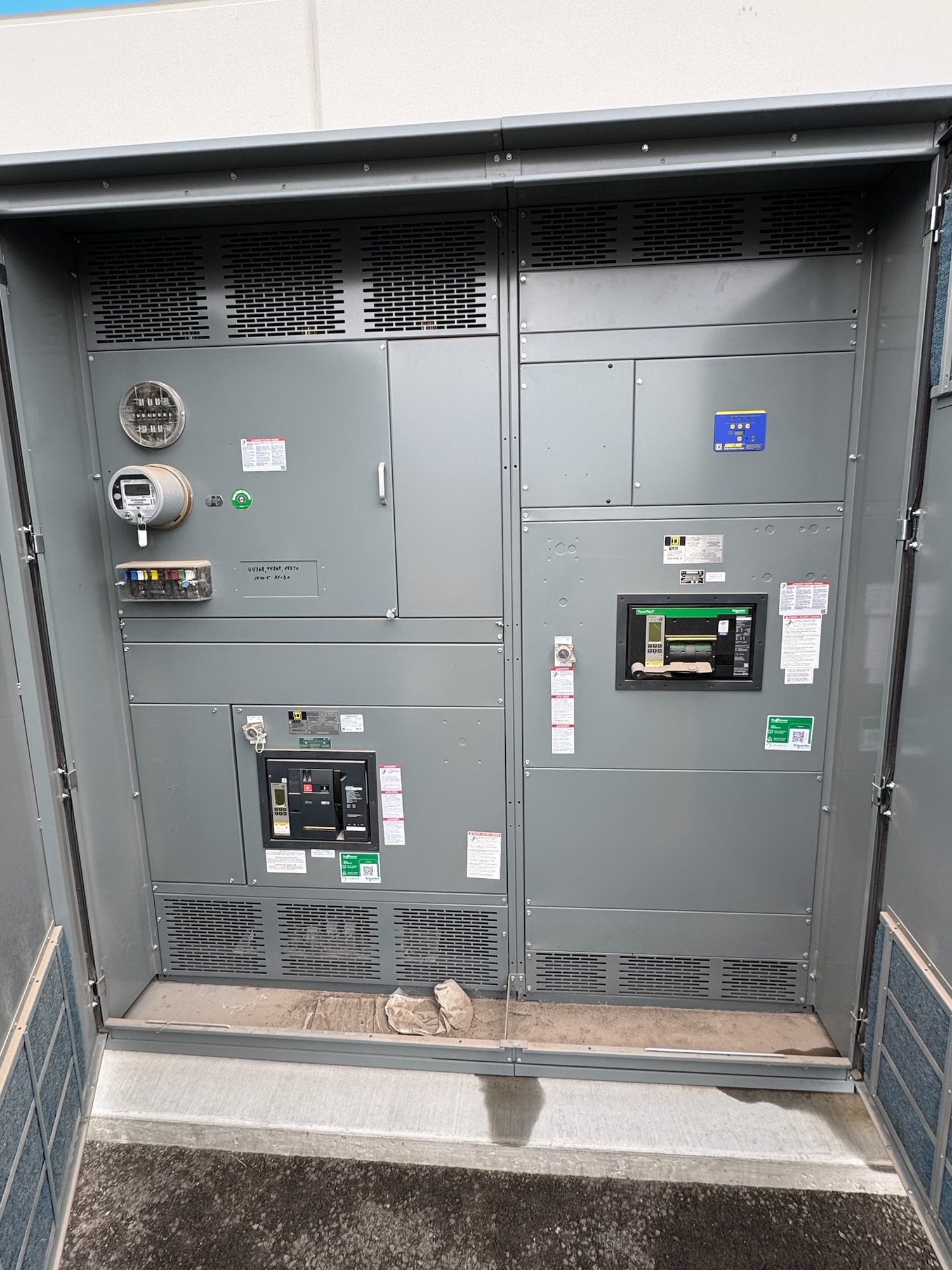
Start with the continuity objective
Define what the plant must continue doing during a utility interruption, and for how long. Identify influent pumping, critical process pumps, controls, communications, ventilation, and other loads whose loss could disrupt treatment or create an overflow concern. Separate immediate priorities from equipment that can be shed or restarted later. The engineer should establish the required operating scenario and determine which loads belong on the backup system.
Ask whether the objective is to maintain a defined treatment process, prevent a wet well from rising beyond an operating limit, or preserve selected functions until utility power returns. Those goals lead to different load groups and transfer sequences. Share normal and emergency one-line diagrams, load schedules, motor starting information, and any operating constraints so the equipment scope reflects actual plant priorities rather than a generic emergency-power arrangement.
Define the source and connection
Describe the backup source before requesting a configuration: generator set, multiple generator sets, or another engineered source; its electrical characteristics; available fault current; and the intended point of connection. Confirm whether the source is dedicated to the facility or shared, how its output is protected, and which party supplies the generator, conductors, controls, and interconnection equipment. These boundaries affect the switchgear lineup and the coordination between suppliers.
For a generator interface, clarify the incoming connection method, required switching arrangement, neutral and grounding approach, and whether the design needs provisions for future capacity. Do not assume a particular source rating or transfer scheme will suit every wastewater plant. The engineer of record must establish system requirements and review protection, grounding, and applicable authority requirements. Provide those decisions or identify open items early so the quote can distinguish confirmed scope from design coordination still needed.
Rank pumps and manage motor starts
Pump loads are not interchangeable. Identify each motor’s horsepower, voltage, starting method, normal operating sequence, and whether it can be interrupted without process consequences. Note which pumps must run together, which can alternate, and whether variable-frequency drives or soft starters affect the electrical interface. Starting current and sequential restart can influence generator sizing and the arrangement of feeders and controls, so include motor data rather than relying only on aggregate kilowatts.
Establish the priority order after a source transfer. A practical sequence may restore controls and essential auxiliaries first, then start selected pumps with delays, while holding lower-priority loads until capacity is available. The actual sequence must be developed and approved by the project’s electrical and process teams. Share any limits on simultaneous starts, minimum run times, level-control logic, or operator override needs; these details help define what the switchgear controls must interface with and what remains in plant automation.
Specify transfer behavior and protection
Describe how the plant should respond when normal power fails, when the standby source becomes available, and when utility service returns. Confirm whether transfer is automatic or operator-directed, what conditions permit transfer, and whether retransfer should be immediate or delayed. Also clarify what happens if the backup source fails to start, is overloaded, or is taken offline for maintenance. Transfer controls need to align with generator controls, protective devices, and the facility’s operating philosophy.
Provide the intended breaker arrangement, control power source, status and alarm points, interlocks, and any remote monitoring interface required by the controls team. Protection settings and selectivity depend on the complete system, including upstream service and downstream motor circuits; they cannot be settled from a switchgear quote alone. UL 891 applies to switchboard assemblies where specified, not as a blanket listing for medium- or high-voltage equipment. Confirm the applicable equipment scope and standards with the engineer and authority having jurisdiction.
Plan enclosure, installation and handoff
Wastewater electrical rooms can impose practical limits: available wall and floor space, access for maintenance, cable entry direction, environmental exposure, and the route for moving equipment into the building. Share room drawings, clearances, existing lineup details, site voltage and phase, and any known corrosion or moisture conditions. Confirm whether the project is a new facility, an expansion, or a replacement, and how outages will be managed during cutover. Final dimensions and installation conditions require project review.
For a Georgia project, provide the ship-to location, receiving hours or restrictions, site access conditions, and the requested delivery window. We build new equipment in the United States and ship nationwide; exact configuration, availability, and schedule are confirmed for each order. At handoff, coordinate approved drawings, connection diagrams, control narratives, and testing responsibilities among the switchgear supplier, generator provider, electrical contractor, automation integrator, and plant operator.
Prepare a useful quote request
A focused request should include the one-line diagram, load and motor schedules, source data, transfer sequence, control interface requirements, installation constraints, applicable project specifications, and the desired scope split among suppliers. Identify which details are final and which are still under engineering review. Also state whether the procurement includes a UL 891 switchboard assembly, separate transfer equipment, feeder sections, or other defined components; scope should be explicit rather than inferred from the phrase “backup power.”
Before release, ask the project team to confirm priority loads, source connection, transfer and retransfer behavior, required alarms, equipment footprint, and responsibility for settings and commissioning. These decisions reduce ambiguity in both pricing and schedule planning. Send the current documents and list unresolved items for a project-specific quote, then align drawing review and delivery milestones with the plant’s outage and construction plan.