Separate loads by operational consequence
A terminal load list should distinguish equipment that must remain available from loads that can be shed or restored later. Depending on the facility design, critical groups may include life-safety systems, emergency communications, security and access controls, selected baggage functions, operational technology and essential lighting. Concourse concessions, tenant spaces and other noncritical loads may belong on separate distribution sections, but the airport’s engineers and code authorities determine the actual classifications and required sources.
Translate those priorities into a one-line diagram and a circuit-level schedule before defining switchboard sections. Identify normal and emergency sources, tie points, transfer equipment, feeder destinations and any planned load-shedding sequence. Ask whether critical loads need independent sections, how spare capacity is handled and which loads must not be restored simultaneously. These decisions affect bus arrangement, protective-device coordination, metering and the space needed for future changes.
Coordinate backup sources and transfer paths
Backup power is a system, not an isolated switchboard feature. The design team should document generator or other alternate-source capacity, transfer-switch locations, source interlocks, grounding method and the intended sequence after a utility failure. Confirm whether multiple sources can operate in parallel, whether a tie is normally open and which equipment controls source selection. These are project-specific engineering questions; the switchboard arrangement must follow the approved system design rather than assume a particular transfer scheme.
Review protective-device settings and available fault-current information across normal and alternate operating conditions. A change in source can alter fault levels and coordination, while motor starting, transformer inrush and staged load pickup can affect generator response. Provide the latest one-line, load data, source ratings, fault-current study and coordination requirements for review. Confirm who supplies transfer equipment, controls, relays and field interconnections so the equipment boundaries are clear before fabrication.
Plan around live terminal operations
Airport work often has narrow outage windows, restricted access and dependencies on tenant schedules, security procedures and passenger flows. Map the proposed equipment replacement or expansion to the terminal’s operating calendar, construction phases and approved shutdown periods. Determine which existing feeders must remain energized, whether temporary distribution is part of the contractor’s plan and how the new gear can be placed and connected without disrupting adjacent systems. Only qualified electrical personnel should perform installation, switching and commissioning under the project’s safety procedures.
Physical and logistical constraints deserve early review. Confirm electrical-room dimensions, access routes, equipment turning clearances, elevator or loading limitations, rigging approach and any restrictions on delivery hours. Check whether new sections must align with installed equipment or connect to existing cable and bus arrangements. For phased work, establish the exact handoff points and sequence for testing, cutover, labeling and turnover documentation. A site walk by the project team can resolve assumptions that drawings alone may not reveal.
Define the switchboard package
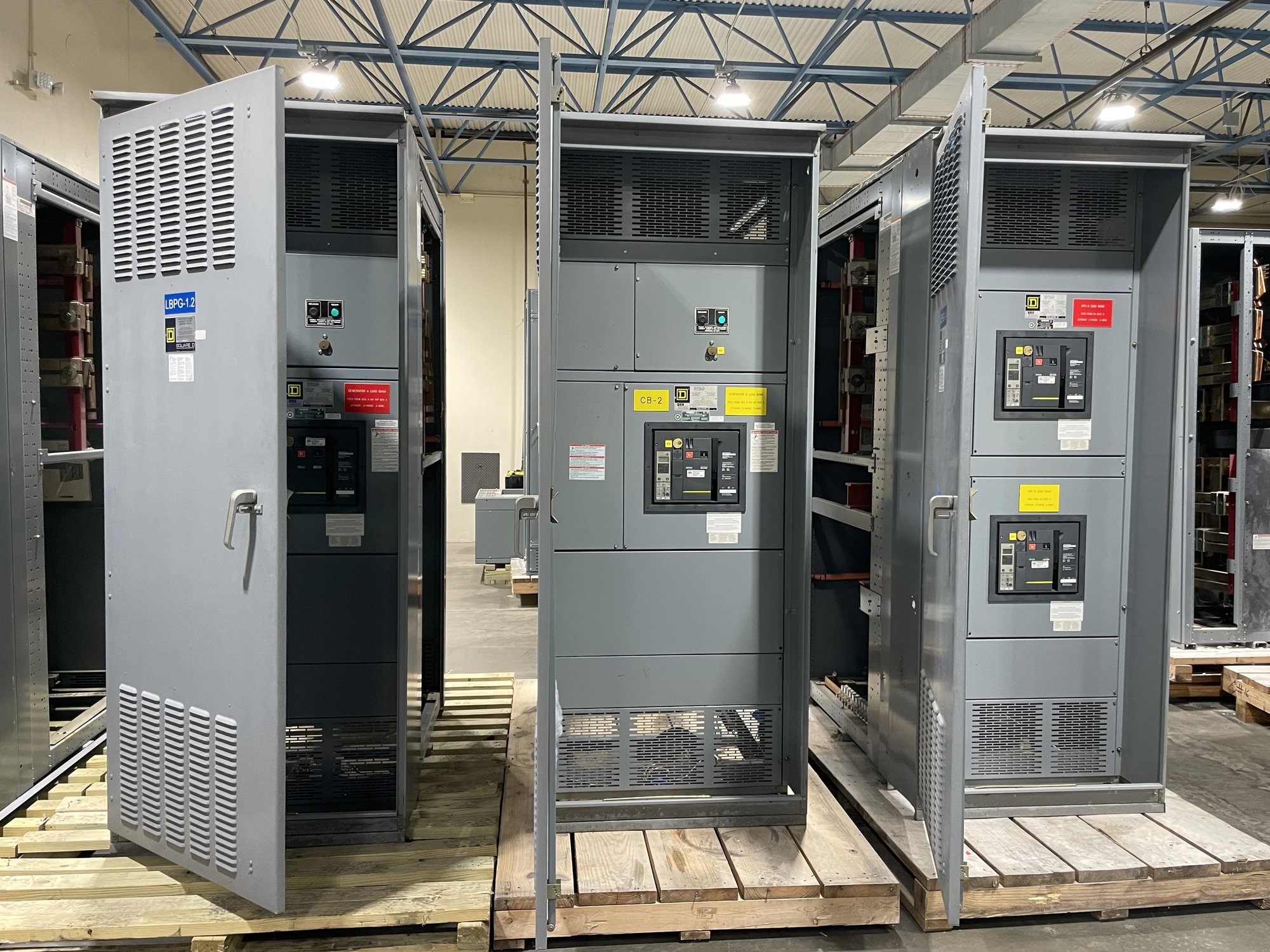
For low-voltage switchboard assemblies, specify whether the project requires UL 891 construction and identify the applicable project documents and review process. UL 891 applies to switchboards; it is not a blanket listing for medium- or high-voltage switchgear. State system voltage, phase and wire configuration, bus requirements, incoming and feeder devices, enclosure details, metering, control interfaces and any required compartmentation. Engineering and authority review must confirm the design, ratings and code requirements for the installation.
Procurement should also identify the drawing submittals, review milestones, approved deviations and release-for-production process. Share device schedules, breaker requirements, cable entry and exit preferences, neutral and ground details, labeling conventions, spare provisions and any interface requirements with building controls or generator systems. American-made components and custom-built configurations can be considered against the project specification, but component availability, exact scope and schedule are confirmed for each order.
Prepare a useful quote request and handoff
A focused quote package should include the one-line diagram, load and feeder schedules, source and transfer details, fault-current and coordination information, room and access constraints, applicable specifications, desired submittal requirements and the planned installation phases. Include the terminal’s outage assumptions, delivery restrictions and the date equipment must be available for the contractor’s sequence. Flag unresolved decisions rather than treating preliminary values as approved design inputs.
For Georgia delivery, provide the project location, receiving contact, unloading capability, access rules and any limits on delivery timing. Nationwide shipping can support Georgia projects, but routing, equipment configuration and schedule need confirmation for the specific order. Before release, align the manufacturer’s approved drawings with the engineer, contractor and facilities team; before shipment, confirm receiving and staging plans. This handoff helps connect the equipment package to the airport’s outage plan without assuming a particular operating window.