Map the campus feeder work
Begin with the part of the distribution system the project will change. Identify the source, affected feeders, served buildings and downstream equipment, then clarify whether the scope is a replacement, capacity change, new building connection or phased campus expansion. Current one-line diagrams, available fault-current information and existing equipment details help establish a useful design basis without assuming that separate campus systems share the same requirements.
For each feeder, document connected and planned loads, operating conditions, spare positions, conductor and termination requirements, and any coordination with generators or other sources. Note loads that cannot tolerate interruption, such as research, laboratory, data, life-safety or critical building systems. These details help the project team evaluate arrangement and interfaces; qualified engineers must determine the design and protection approach for the actual installation.
Fit the outage to the academic calendar
A university outage window may depend on term dates, exams, residence occupancy, laboratory schedules, summer programs and building access. Share the preferred shutdown period, the latest acceptable return-to-service date, and any dates that are unavailable. Also identify whether the work must be divided by building or feeder, and whether temporary operating arrangements are part of the separately engineered project plan.
Calendar dates alone do not establish a workable equipment schedule. Confirm when approved drawings, final submittals and field dimensions will be available, and identify decision deadlines for configuration changes. The project schedule should account for review, manufacture, freight, receiving, staging and installation planning. Exact equipment availability and timing are confirmed for each order, so procurement should compare the confirmed schedule with the campus outage plan before committing to a shutdown.
Define the assembly and interfaces
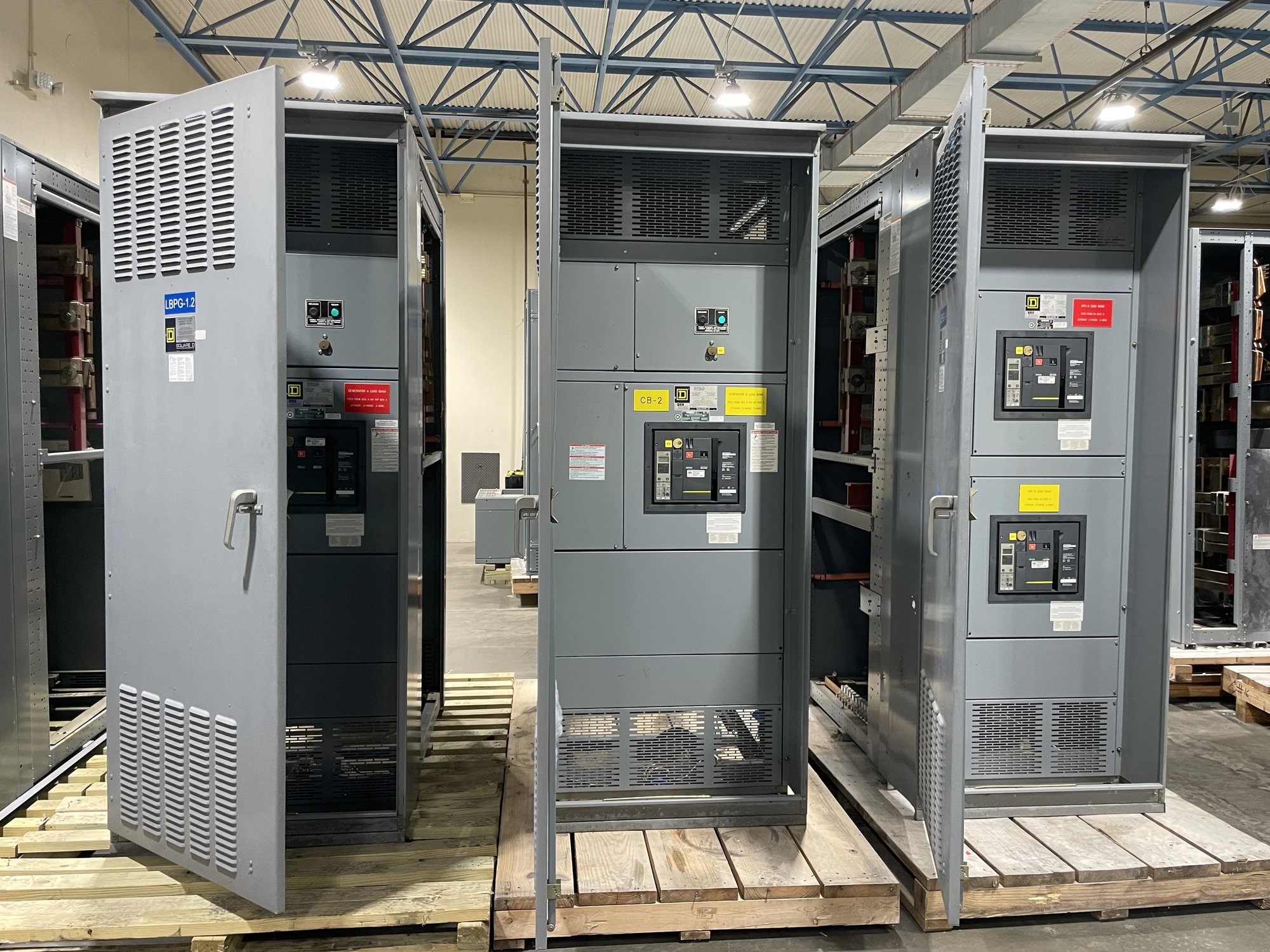
For low-voltage distribution, determine whether the project calls for a UL 891 switchboard assembly and specify the required bus arrangement, feeder count, protective-device functions, metering, control interfaces and physical layout. UL 891 applies to switchboards; it is not a blanket listing for medium- or high-voltage switchgear. For projects involving other voltage classes or equipment types, identify the applicable project requirements separately and have the responsible engineer establish the design basis.
Campus projects often need equipment to fit existing electrical rooms and connect to installed conduits, busways or cable routes. Provide verified room dimensions, access and removal paths, orientation, entry locations, available working space constraints and connection details. Clarify whether existing gear must remain operational during adjacent work. Field verification and engineering review are important where records are incomplete or prior renovations have changed the installation.
Resolve campus operating requirements
Ask facilities, engineering and operations to agree on how the new equipment will be used and maintained. Useful questions include which feeders are essential, what monitoring or metering information must be available, who owns upstream protection settings, and what labeling or documentation supports campus procedures. Where future buildings or load growth are expected, distinguish funded near-term connections from longer-range planning so the specified equipment reflects a defined project scope.
Coordinate electrical requirements with the construction team’s access, sequencing and acceptance plans. Identify responsibility for field measurements, installation, testing, commissioning and approval by the authority having jurisdiction. Switchgear installation, service and energization belong to qualified personnel working under the project’s approved procedures. Engineering and authority review determine applicable ratings and code requirements; no general equipment description can replace that site-specific review.
Prepare a quote package and delivery plan
For a useful quote, share the project location in Statesboro, equipment type and voltage class, drawings, feeder schedule, known ratings, proposed arrangement, accessory and metering needs, and any required submittal format. Include room and access dimensions, delivery restrictions, receiving hours, staging conditions and the target outage dates. Identify open engineering decisions explicitly rather than treating assumptions as confirmed requirements.
We manufacture and supply new equipment in the United States, using American-made components where applicable, and can build custom configurations. Georgia delivery can be coordinated to the project’s receiving point and planned installation sequence; the shipping method, availability and schedule are confirmed for the order. Before release, align approved drawings, connection information, shipping destination, unloading responsibilities and site readiness among facilities, the engineer, contractor and purchasing team.
Close the handoff before the outage
Before the equipment ships, compare the approved configuration with the latest one-line, feeder schedule and field conditions. Confirm that device functions, labels, interfaces, dimensions and connection points match the reviewed documents, and resolve discrepancies through the project’s engineering process. Reconfirm the campus outage window and receiving plan against the order’s actual schedule rather than relying on an early planning estimate.
A practical next step is to assemble the current drawings, feeder and load information, room measurements, preferred academic-calendar window and delivery constraints into one review package. Mark confirmed requirements separately from items needing engineering decisions, then request a configuration and schedule based on that record. This gives the university team a clear basis to coordinate procurement, construction planning and campus operations for the Statesboro project.