Start with the production plan
A manufacturing project may add a production line, expand an existing process, replace aging distribution equipment or provide capacity for a planned facility change. Each purpose leads to different questions about connected loads, operating schedules, future expansion and the portions of the electrical system affected. Share which equipment the project will serve and how production is expected to change, rather than relying on a general facility description alone.
Useful starting information includes available one-line diagrams, load schedules, the existing equipment nameplates, and the planned electrical scope. Identify normal and standby sources, major motor loads, critical processes and any known constraints on fault current or service capacity. Where documentation is incomplete, flag assumptions for the project engineer to resolve. We can use the information provided to develop a proposed equipment scope; final electrical design and ratings require qualified engineering review.
Define the equipment boundary
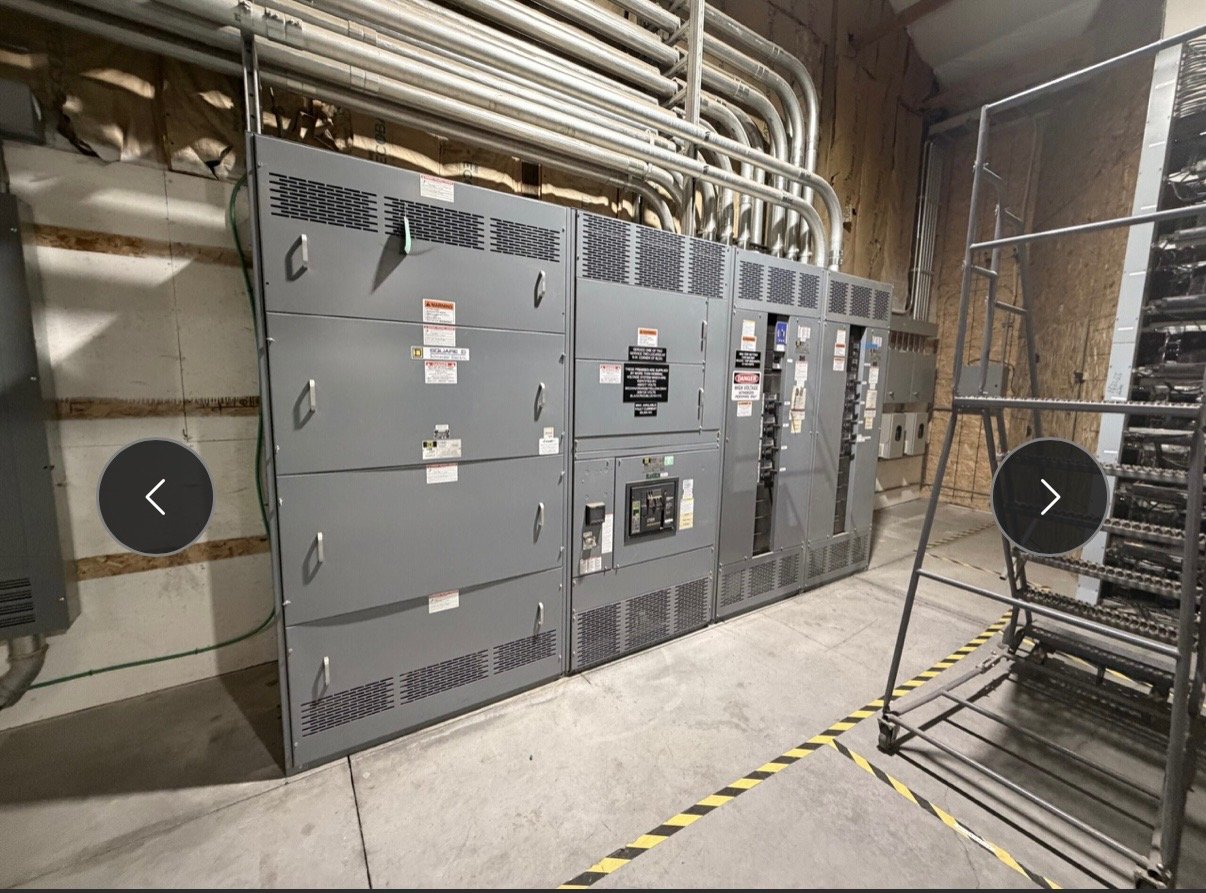
The term switchgear can refer to different assemblies and voltage classes, so procurement documents should state the intended equipment rather than rely on a label. Clarify whether the project calls for a low-voltage switchboard, medium-voltage equipment, or another distribution assembly. For a UL 891 switchboard assembly, identify the required service and distribution functions, feeder arrangement, incoming connection, metering provisions and any specified protective devices. UL 891 applies to switchboards; it is not a blanket listing for medium- or high-voltage switchgear.
Coordinate the proposed lineup with the electrical engineer’s drawings and the facility’s operating needs. Confirm available room dimensions, access routes, working space requirements established by the project team, cable entry direction and the location of existing connections. Note environmental conditions and any requirements for control power, communications or interlocking. These details help distinguish essential scope from options and expose fit or interface questions before equipment is released for production.
Schedule replacement around production
Replacement work in an operating plant often depends on a limited shutdown window, temporary operating arrangements and coordination with production personnel. Establish the target outage dates, the equipment that must be removed, and the sequence for disconnecting and reconnecting affected loads. Then compare that plan with the drawings, field measurements and equipment interfaces. A replacement assembly cannot be assumed to fit or connect to existing gear solely because its general function is similar.
For a new lineup, provide the required in-service date as a planning input, along with the dates when drawings, site information and approvals are expected. We confirm equipment availability and the project timeline individually; no standard lead time should be assumed. The facility’s engineering and operations teams should decide how to manage shutdowns and energization. Installation, testing and commissioning belong to qualified personnel under the project’s approved procedures.
Make procurement information usable
A useful request for quote identifies the facility location in Statesboro, the project purpose, voltage and system data, expected load, equipment type and quantity, and the requested delivery window. Include the latest one-line diagram, specifications, schedules and relevant physical dimensions when available. State which items are firm requirements and which remain open for engineering coordination. This lets the proposed scope respond to the actual project rather than presume a standard configuration.
Also identify required documentation, drawing review milestones, labeling or metering needs, and any defined interface with existing equipment. If the project specifies a particular standard, rating or component, provide the exact requirement and its source document. Requested features and ratings are subject to technical review and confirmation; American-made components and custom-built configurations can be considered within the confirmed scope. No certification or rating should be inferred beyond what is documented for the offered assembly.
Coordinate Georgia delivery and handoff
We supply new equipment for projects in Georgia, including Statesboro, and arrange nationwide shipping. Before an order is finalized, confirm the delivery address, receiving hours, unloading capability, access restrictions and any site rules that affect transport or staging. Lineup dimensions and shipment configuration should be coordinated with the route from receiving to the electrical room. Delivery timing, availability and the precise shipping scope are verified for the individual order.
A clear handoff keeps procurement, engineering, installation and operations aligned. Agree on drawing approval responsibilities, submittal requirements, delivery milestones, receiving inspections and the documents needed before installation. The project team should confirm that the approved equipment matches the final design and that the installation plan addresses site conditions. Engineering review and applicable authority review remain necessary for the project’s design and compliance decisions.
Prepare the project for a firm scope
Before requesting pricing, gather the one-line diagram, equipment schedules, nameplate information, room and access measurements, project specifications, replacement constraints and target dates. Mark uncertainties clearly, especially where existing records may not reflect field conditions. Ask the facility engineer to identify the intended equipment boundary, required ratings and interfaces, and ask procurement to state documentation and delivery expectations. These details support a focused review without assuming the plant’s electrical design.
With that package, request a proposed configuration and confirm scope, availability, engineering interfaces and delivery arrangements for the Statesboro project. Resolve open questions with the responsible engineering and operations teams before final approval, particularly when replacement timing affects production. A project-specific review gives the facility a practical basis for coordinating new equipment with its planned work and outage schedule.