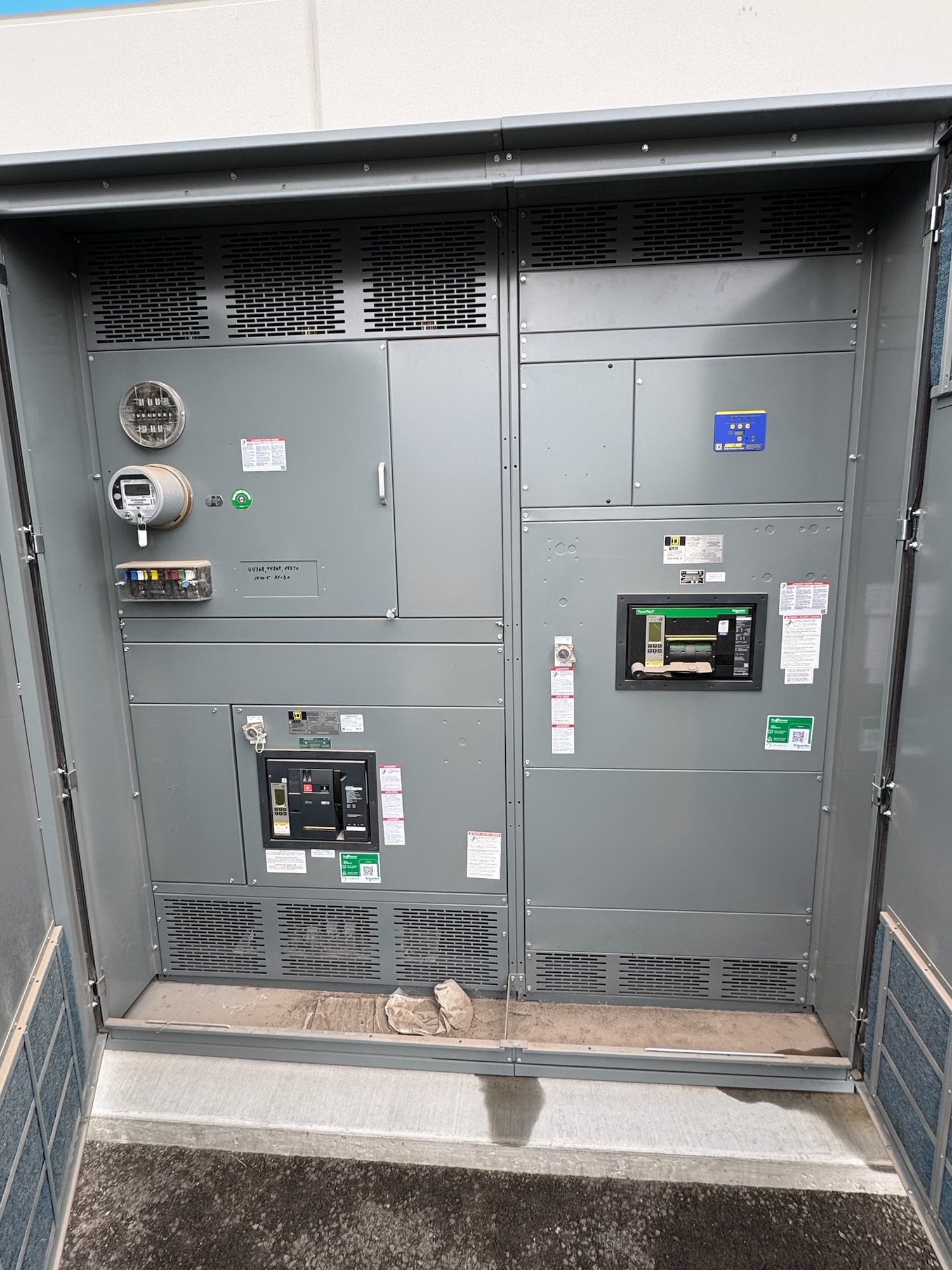
Start with the installation context
A useful quote begins with the equipment’s role, not just a general request for switchgear. Share whether the project is a new service, facility expansion, replacement, or a change to an existing distribution arrangement. Include the intended location in the electrical system, the source and downstream loads, and whether the equipment must interface with existing gear. These details help establish what information is needed to define the scope.
For a Statesboro project, identify the installation address or jobsite area, the building or site conditions that affect equipment access, and the expected placement. Indoor or outdoor use, available floor space, room access, cable entry direction, and handling limitations can shape the configuration and delivery plan. Where site details are preliminary, label assumptions clearly so they can be reviewed rather than treated as confirmed design requirements.
Provide electrical specifications for review
Send the one-line diagram and applicable project specifications when available. Include system voltage, phase and frequency, service or feeder arrangement, bus requirements, device functions, protective-device information, and any required metering or controls. If short-circuit data, coordination requirements, or utility criteria apply, provide the documented values and source. Engineering review can then identify missing inputs and clarify the equipment scope before configuration proceeds.
Do not assume a familiar nameplate description defines the complete assembly. Existing equipment information can help, but confirm what is being retained, replaced, or connected to the new lineup. UL 891 applies to switchboard assemblies; it is not a blanket listing for medium- or high-voltage switchgear. The applicable equipment type, standards, ratings, and review requirements depend on the project design and must be established for the specific order.
Align engineering and procurement decisions
Project teams can reduce avoidable revisions by identifying who will approve drawings, who owns system studies, and which specifications govern if documents conflict. Clarify the required submittal format, drawing milestones, review sequence, and any owner or engineer comments that must be resolved before release. If equipment must match an existing lineup, provide verified dimensions, connection details, and photographs or drawings where permitted; field conditions should be checked by qualified personnel.
Procurement should distinguish firm requirements from preferences and open questions. Note the requested quantity, preferred delivery window, required documentation, and any project milestones that affect the release date. American-made components and custom-built configurations may be considered as part of the equipment scope, subject to confirmed availability and design requirements. Exact scope, component availability, and schedule are established for each order, not inferred from a general product description.
Plan delivery to the Statesboro jobsite
Georgia delivery planning starts with the receiving point and the path from truck to final equipment location. Share site access rules, delivery-hour limits, gate or security instructions, unloading arrangements, staging space, and whether the receiving area can accommodate the planned shipment. Confirm who will receive and inspect the equipment, how packaging will be handled, and whether the installation contractor needs delivery broken into coordinated stages.
Discuss transport and handling constraints early, especially where equipment dimensions, weight, narrow access, or active construction areas affect unloading. Confirm whether the project requires a designated carrier, advance scheduling, special documentation, or coordination with other trades. Nationwide shipping supports projects in Statesboro, but transit timing and delivery arrangements depend on the order and destination. Confirm the shipment plan and milestones before scheduling site resources.
Make the quote request actionable
A complete request should include the project name or reference, Statesboro delivery destination, equipment type and quantity, one-line diagram, specifications, requested ratings, and the target delivery window. Add drawings of the electrical room or installation area, existing equipment data, interface requirements, and any known utility or owner criteria. Identify the engineer or project lead responsible for technical questions and the procurement contact responsible for commercial coordination.
If documents are not ready, send the information available and list what remains undecided. State whether ratings are confirmed or preliminary, flag alternate configurations for consideration, and explain the schedule driver behind the requested date. This gives the manufacturer a practical basis to assess scope, ask focused follow-up questions, and confirm what can be quoted. Do not rely on an assumed lead time or availability until it has been reviewed for the specified build.
Carry the handoff through release
After scope review, keep the approved configuration and delivery assumptions aligned across engineering, procurement, and the site team. Resolve drawing comments through the designated review process, document accepted changes, and confirm the final destination and receiving plan before shipment. If the project schedule shifts, communicate the change promptly so production and transportation planning can be reassessed against the order’s confirmed milestones.
To begin a Statesboro request, assemble the one-line diagram, project specifications, equipment quantity, site constraints, and preferred delivery window, then identify any open technical decisions. That focused package helps move the conversation from a general equipment request to a reviewable project scope. Installation, testing, and energization should remain under the direction of qualified electrical professionals, with design and approval decisions handled by the responsible engineer and authority having jurisdiction.