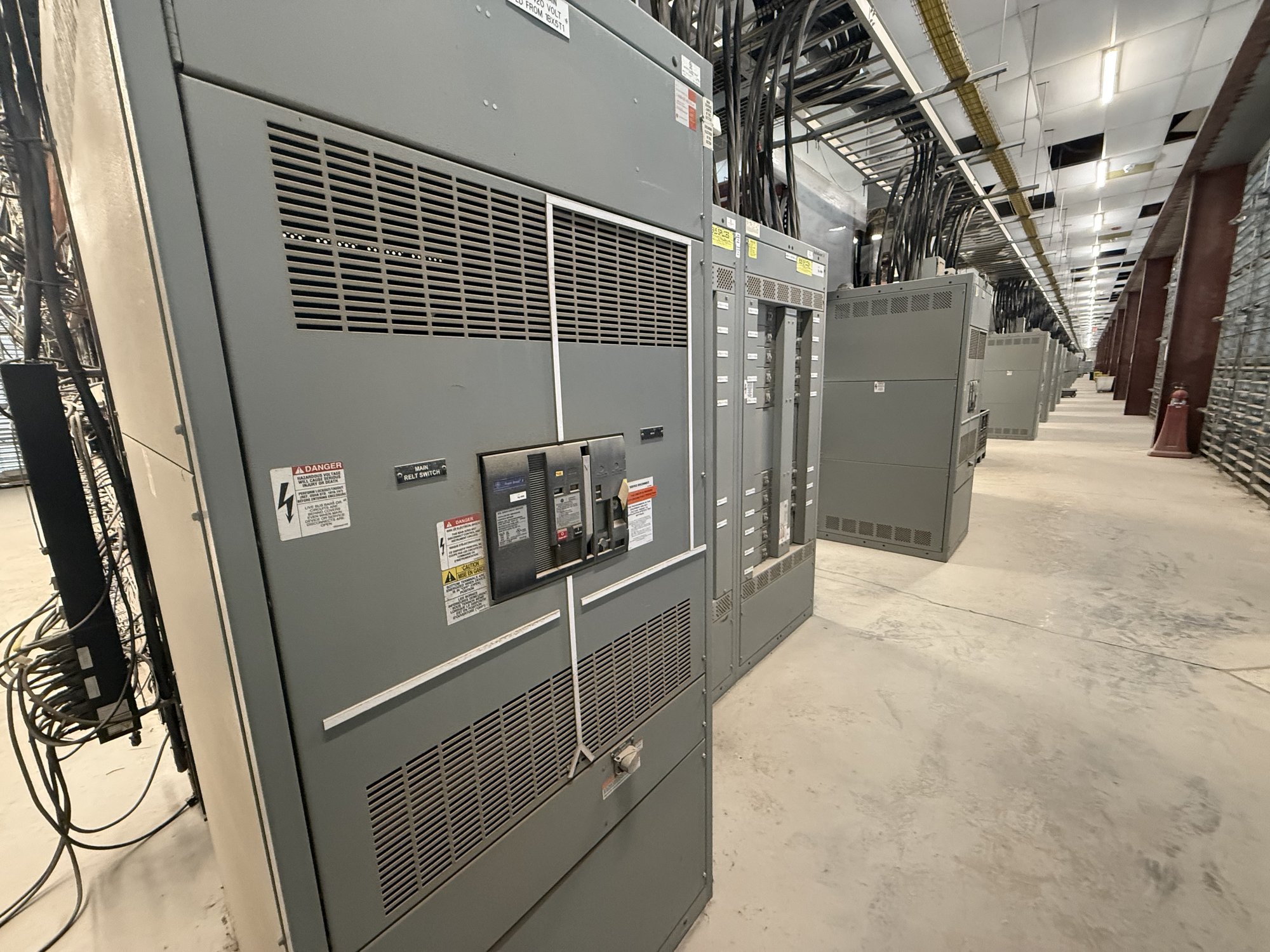
Map campus operations before setting outage dates
Begin by identifying which buildings, panels, feeders, and loads are supplied by the equipment in scope. On a campus, one distribution change can affect classrooms, residence halls, dining operations, data rooms, research spaces, and central plant services. Confirm normal and emergency sources, transfer arrangements, known tie points, and any loads that cannot tolerate an interruption. Current one-lines and field verification help the electrical engineer distinguish documented connections from later renovations.
Build the schedule with facilities, electrical operations, academic departments, housing, research leadership, environmental health and safety, IT, and event coordinators. Ask each group for blackout periods, examination dates, laboratory shutdown procedures, move-in and move-out windows, and advance notice requirements. Georgia campuses may also need to account for summer heat, storm season, and cooling demand. A calendar constraint is useful only when a named stakeholder can validate it.
Separate equipment scope from outage scope
A replacement switchboard or switchgear lineup does not define the full outage by itself. The plan should state whether work includes demolition, feeder reconnection, control wiring, protective-device changes, temporary power, testing, and restoration. Clarify which tasks require an interruption and which can be completed beforehand. The campus engineer and qualified electrical contractor should establish switching procedures, boundaries, contingency steps, and authorization; equipment planning cannot substitute for their field-specific safety review.
For a new assembly quote, share the applicable one-line, existing equipment information, system voltage and ampacity requirements, fault-current and coordination study inputs, incoming and outgoing connection details, metering and control needs, and physical constraints. Note the required standards and project specifications, including whether a UL 891 switchboard assembly is requested. UL 891 applies to switchboards; it is not a blanket listing for medium- or high-voltage switchgear. Engineering review must resolve the correct equipment type and requirements.
Use phases that preserve campus function
Phasing should follow electrical boundaries and operational dependencies, not simply building names. The engineer may evaluate whether separate sections, feeders, or buildings can be addressed in different windows, and whether temporary arrangements are feasible. Each phase needs a defined start condition, isolated work area, affected loads, restoration checks, and decision point for proceeding. Do not assume an available tie or alternate source has capacity; confirm system limits and operating procedures through qualified engineering review.
Research facilities need especially explicit load and restart planning. Ask principal investigators and laboratory managers to identify experiments, cold storage, ventilation, exhaust, environmental controls, and instruments that require uninterrupted service or controlled shutdown. Coordinate any temporary supply with facilities engineering and the responsible lab teams, including connection, monitoring, and removal responsibilities. Residential operations also require notice and practical contingency planning for elevators, access systems, common areas, and services that residents depend on.
Make procurement decisions against the campus plan
Compare equipment options using the approved electrical requirements, connection arrangement, footprint, access path, cable entry, and interface with existing controls. Confirm whether replacement sections must match existing dimensions or terminations, and whether any site conditions constrain enclosure or construction choices. Drawings, submittals, and documented deviations should be reviewed by the project engineer and campus authority before release. Do not select a configuration solely because it appears to fit a brief outage window.
Procurement should connect the equipment schedule to design approvals, contractor mobilization, shutdown permissions, and receiving capacity. New equipment is built to the confirmed order scope; availability and lead time depend on that scope and are confirmed for each order. Share the target outage windows, required submittal dates, approval milestones, and any campus restrictions when requesting a quote. This lets the project team assess whether the proposed sequence and equipment schedule can support the intended work plan.
Coordinate Georgia delivery and receiving
Delivery planning matters when a campus has controlled gates, limited staging, narrow service roads, pedestrian traffic, or restricted truck hours. Provide the ship-to location, receiving contact role, unloading capabilities, access instructions, storage conditions, and any limits on vehicle size or delivery timing. Georgia delivery can be coordinated with the project schedule, but the receiving plan and shipment timing must be confirmed for the specific order. Avoid scheduling arrival before the site can secure and inspect the equipment.
Check route from receiving point to the electrical room, including doors, turns, floor loading, vertical clearances, and any need to divide handling into approved moves. Coordinate these details among the campus, contractor, rigging team, and equipment supplier before shipment. Establish who inspects for transit damage, records equipment identification, protects the assembly during storage, and verifies accessories and documentation. Clear ownership prevents delivery-day questions from consuming a reserved outage window.
Hand off each phase with a clear record
Before work begins, distribute the approved sequence, stakeholder notification plan, switching authority, contingency contacts, acceptance criteria, and restoration responsibilities. After each phase, document as-left conditions, test results, settings or changes requiring records, updated labels and drawings, and unresolved items. Facilities operations should receive the information needed to maintain the modified system. The responsible engineer and authority having jurisdiction determine applicable review and acceptance requirements.
For a quote, provide campus location in Georgia, project stage, target windows, one-line and specifications, equipment type, electrical requirements, phasing assumptions, site access and receiving limits, and requested submittal milestones. Identify which details are preliminary and who will approve final design. With those inputs, the equipment scope, delivery plan, and outage sequence can be evaluated together. Start by convening facilities, the electrical engineer, contractor, and affected academic or research leads to validate one representative phase before committing the full campus schedule.