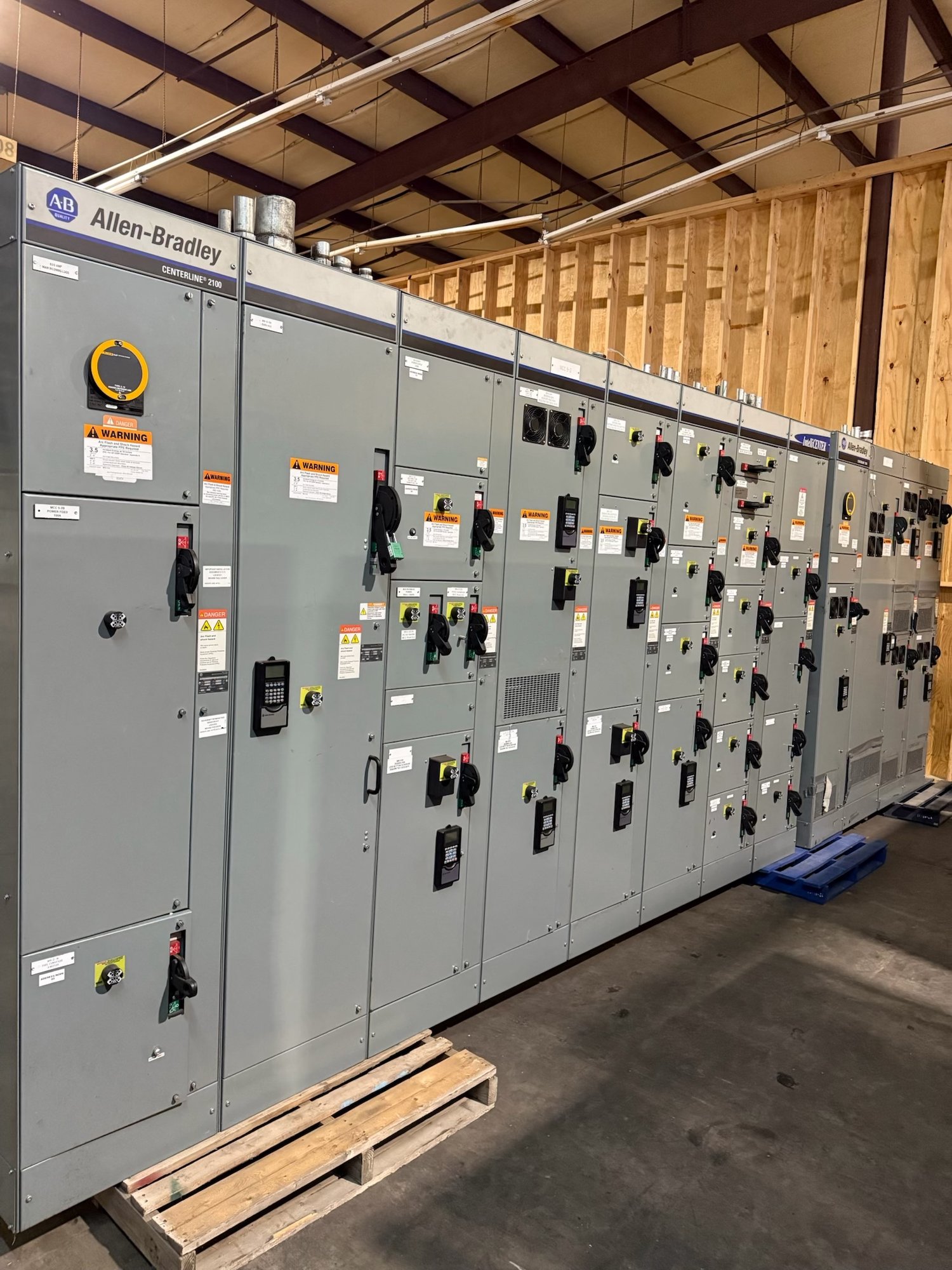
Map routes before setting equipment scope
Start with a current one-line diagram and campus plan that identify substations, electrical rooms, existing distribution points and proposed building connections. Trace each feeder from its source to its destination, noting route length, duct banks, tunnels, overhead segments, road crossings and restricted areas. These details affect conductor planning, termination locations and the physical arrangement required at each switchboard.
Record known route limitations rather than assuming a new feeder can follow an existing path. Utility corridors may be congested, and work near occupied classrooms, laboratories or residence halls can require specific construction windows. Share available route drawings, room dimensions, access restrictions and planned civil work so the equipment package can be coordinated with the site design.
Separate unlike building loads
A campus is not a single uniform load. Research buildings may include sensitive instruments and specialized ventilation; residence halls have strong daily and seasonal patterns; athletic, dining and classroom facilities follow different schedules. For each connected building, identify the expected demand, major motor loads, critical circuits and any planned load additions. Distinguish measured data from estimates and note the source and date of each figure.
Ask the electrical engineer to establish the design basis for feeder ampacity, protective-device coordination and available fault current. Procurement teams should confirm whether the requested assembly is a low-voltage switchboard, what incoming and outgoing arrangements are needed, and which devices or metering provisions belong in the scope. UL 891 applies to switchboard assemblies; it does not establish ratings or certification for medium- or high-voltage equipment.
Plan capacity for campus growth
Expansion plans can change the number and size of feeders long after a building opens. List projects likely to connect during the planning horizon, such as a new academic wing, central plant upgrade, lab conversion or added residence capacity. Clarify which provisions are part of the present order and which are future design considerations. A reserved space, spare section or future feeder position must be shown in the engineered design, not assumed from an informal note.
Growth decisions also affect the room and route, not only the switchboard. Compare the proposed lineup dimensions and cable entry with available clearances, doorways, floor loading information and future access needs. Engineers should resolve the system configuration and governing design criteria, while procurement should obtain a clearly bounded equipment schedule. Confirming these items before release helps reduce late changes to drawings and construction interfaces.
Coordinate sources, protection and operations
Campus distribution may include utility service, transformers, generators, ties between buses or other sources. Provide the current one-line diagram and identify normal and alternate operating configurations, interlocks, transfer functions and any planned operating restrictions. The project engineer must determine protection settings and coordination requirements using the actual system data; a switchboard quote cannot substitute for that engineering study.
Consider how installation and commissioning will fit campus operations. Identify which buildings must remain energized, whether outages can be scheduled by zone and what temporary arrangements the project team is evaluating. Mark equipment boundaries, feeder labels and interface responsibilities on the drawings. Facilities staff, the engineer, contractor and equipment supplier should review the same document revision to avoid conflicting assumptions about connections or operating intent.
Build a quote package that supports handoff
For a useful quotation, share the equipment location, requested quantity, one-line diagram, preliminary schedules, system voltage and phase, source details, required device functions, available fault-current information and target drawing or shipment milestones. Include enclosure and access constraints, cable entry preferences, metering needs, spare-way requirements and any project specifications. Identify unresolved engineering items so they can be distinguished from confirmed requirements.
After scope review, coordinate submittal drawings with the engineer of record and contractor before fabrication release. Check feeder names, device schedules, bus arrangement, dimensions, terminations and site interfaces against the approved project documents. American-made components and custom-built configurations may be specified subject to the confirmed scope and availability; exact equipment details and schedule are established for each order.
Align delivery with Georgia project phases
Georgia campus work can span active academic terms, summer construction windows and phased building turnover. Set a requested delivery period that reflects site readiness, receiving capacity, storage conditions and the installation sequence. Confirm the ship-to location, unloading plan, access hours and who will receive and inspect the equipment. Nationwide shipping can support Georgia projects, with routing and timing confirmed for the specific order.
Before requesting a quote, assemble the latest one-line diagram, feeder and load schedules, route constraints, expansion assumptions, operating modes and project milestones. Ask the engineering and construction teams to flag open decisions, then submit the package with the required switchboard scope clearly identified. This gives the manufacturer a practical basis to review configuration, drawings and delivery requirements without guessing at campus conditions.