Why phase distribution matters
In a three-phase system, loads are not always evenly divided among phases. Single-phase lighting, receptacles, control power and other branch circuits can accumulate disproportionately on one phase as equipment is added or operating patterns change. The resulting phase-current difference may be significant even when the total connected load remains within an anticipated overall demand.
An overloaded phase can become the practical limit on a feeder, bus or protective device before the other phases approach their capacity. Uneven loading can also contribute to voltage differences across phases and affect connected equipment. Review actual and expected loads together; a balanced design is not a simple equal split of nameplate totals when loads have different duty cycles or operating schedules.
Understand neutral current
Neutral current depends on the system configuration and the character of the loads. In a four-wire wye system, the fundamental-frequency currents from phase conductors can partially cancel in the neutral when loads are balanced. Unequal phase loading reduces that cancellation, so the neutral may carry more current. A two- or three-wire arrangement may have no neutral conductor, and its analysis is different.
Nonlinear loads, including many electronic power supplies and variable-speed equipment, can produce harmonic currents. Certain triplen harmonics can add in the neutral rather than cancel, making phase-current readings alone an incomplete basis for evaluating neutral loading. The engineer should establish the grounding and neutral arrangement, load types, expected harmonics and applicable design criteria before specifying conductor or bus provisions.
Build a useful load schedule
For design review, identify each load’s phase connection, voltage, rated or calculated current, expected demand, operating hours and whether it is continuous or intermittent. Note motor starting, heating cycles, seasonal equipment and future additions where they affect simultaneous demand. For existing facilities, field measurements taken during representative operating conditions can reveal imbalance that a nameplate inventory misses.
A current snapshot is useful but not a complete design basis: readings vary with production, occupancy, weather and equipment sequence. Record phase-to-phase voltage and phase currents together, with the measurement conditions and time. If neutral loading is a concern, measure it directly with suitable methods and qualified personnel. Compare data across operating modes rather than assuming a single observation represents the worst case.
Choose distribution provisions deliberately
Circuit assignment is the first balancing tool. Distribute single-phase circuits across phases using calculated demand and expected use, then reassess after planned additions. A panel schedule that merely alternates circuit positions may not balance loads when circuit sizes and duty differ. Keep practical room for rearrangement or expansion if the operating plan supports it, and coordinate that approach with protection and maintenance requirements.
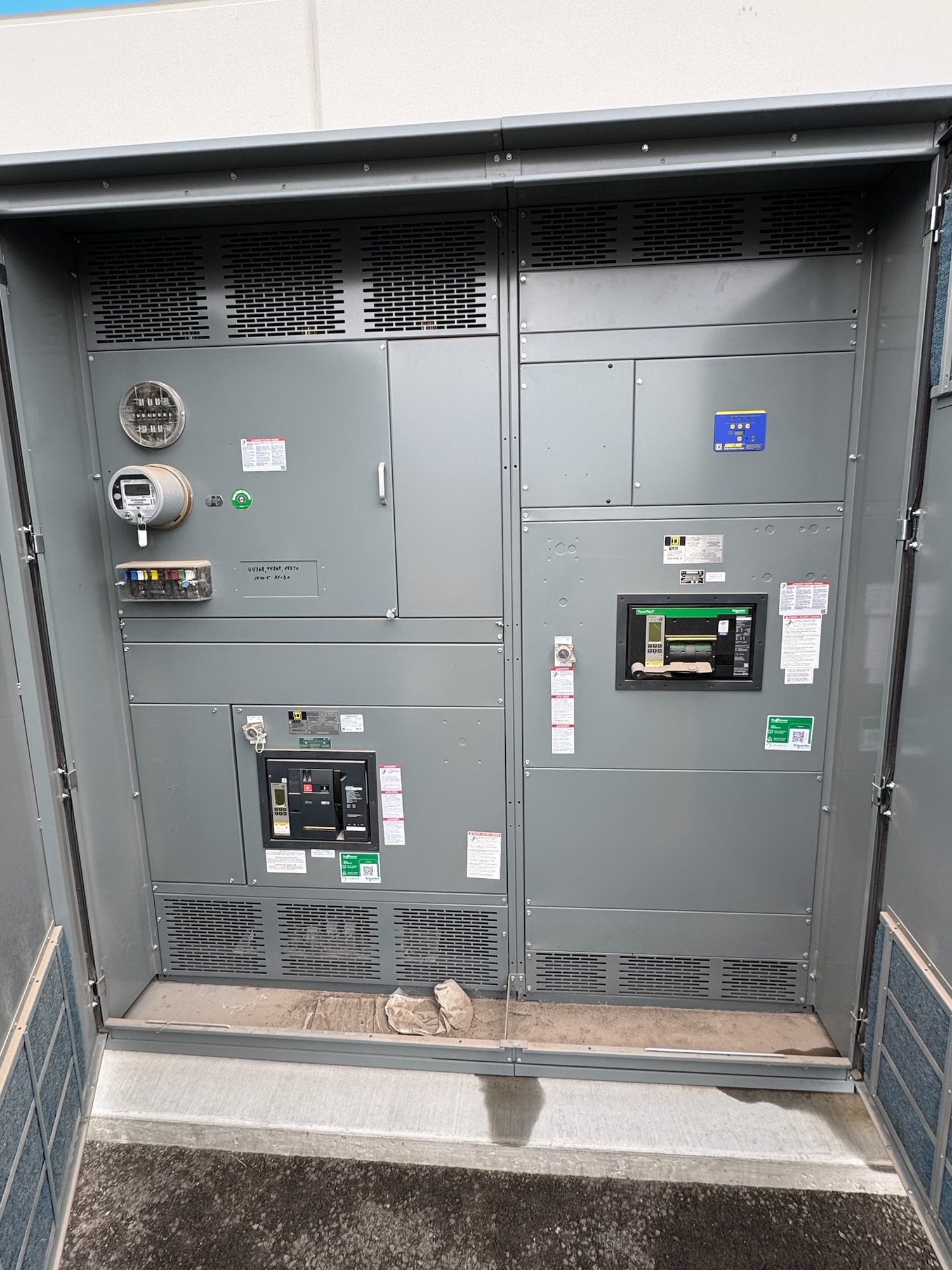
For a new switchboard assembly, the design team should define system voltage, phase and wire configuration, main and feeder arrangements, bus requirements, protective-device information, metering needs, available fault-current data and the intended load schedule. Neutral sizing, harmonic considerations and any monitoring provisions need project-specific engineering. UL 891 applies to switchboard assemblies; it does not establish suitability for every system condition or cover medium- or high-voltage switchgear.
Specify the assembly and delivery scope
When requesting a quote, share the one-line diagram, load schedule, system grounding details, enclosure and installation constraints, anticipated future circuits, and project schedule. Include the service and feeder ratings established by the design professional, not just total connected kilowatts. Identify required metering, communications, spare provisions, utility or owner requirements, and any site limits that affect section dimensions or access.
We manufacture and supply new switchboard assemblies with custom-built configurations and American-made components where specified. For Georgia projects, provide the delivery location, receiving limitations, installation sequence and required-on-site date so scope and shipment planning can be reviewed together. Component availability, final configuration and timing are confirmed for each order; delivery coordination does not replace the project team’s review of handling, rigging and installation plans.
Carry the balance through commissioning
A well-distributed design can become unbalanced as tenants, production lines or building systems change. Preserve the approved circuit schedule and update it when loads move or new circuits are added. During commissioning and later troubleshooting, compare phase currents under documented operating conditions, check neutral current where applicable, and investigate unexpected voltage differences or repeated protective-device operation rather than correcting symptoms by guesswork.
Before releasing the design for fabrication, reconcile the load schedule with the one-line diagram and confirm the required system configuration, ratings, accessories and delivery constraints. Ask the electrical engineer to identify assumptions about demand, harmonics and future growth, then provide those documents with the quote request. This gives the manufacturer a clear basis to configure the new assembly and helps the Georgia project team plan a practical handoff from design through installation.