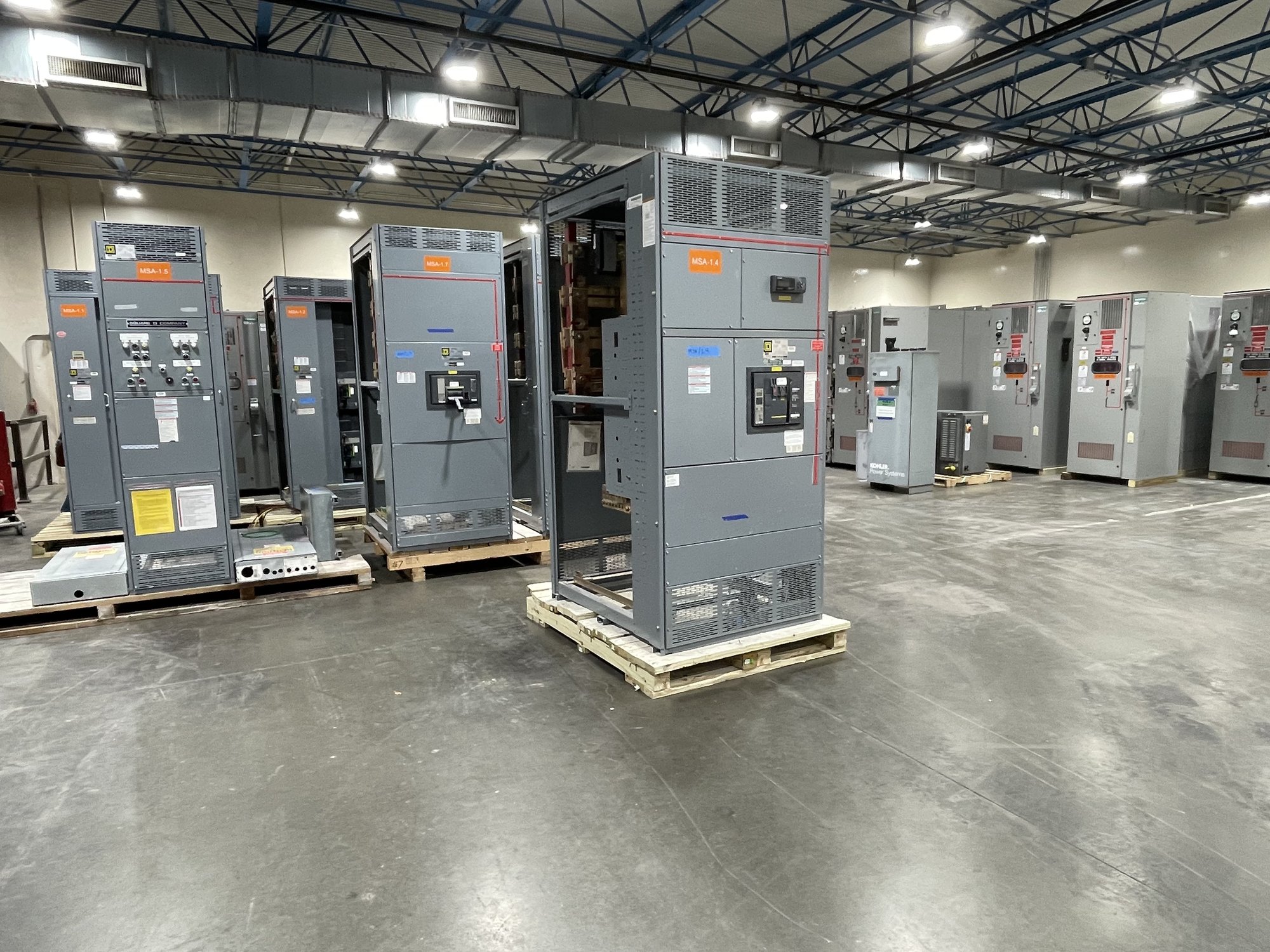
Define the handoff before equipment is released
Set handoff expectations while the equipment scope is being developed, not after the switchboard arrives. Identify the owner’s representative, installing contractor, commissioning lead, and operations staff, then assign responsibility for reviewing documents, coordinating instruction, and accepting the final package. Clarify whether training is intended for operators, electricians, maintenance personnel, or more than one group; their duties and required depth of instruction differ.
Include handoff deliverables and responsibilities in the purchase specification. Ask which records the manufacturer will provide, what the contractor or project engineer must complete in the field, and who will compile the final facility record. Training and documentation support do not replace installation, testing, commissioning, or operating procedures established by qualified project personnel and applicable authorities.
Specify operator instruction that fits the equipment
Useful instruction is tied to the actual switchboard configuration and the operator’s authorized duties. Discuss the equipment lineup, main and feeder identification, normal operating sequence, indication and metering, available control features, and the meaning of supplied labels and alarms. Ask whether instruction can use the project’s final drawings and equipment identifiers, and whether the planned audience needs an overview or a more detailed maintenance-oriented session.
Confirm format, timing, location, duration, attendee count, and language before approving the order. Training may need to occur after installation or commissioning so the equipment and operating conditions can be reviewed in context; coordinate that schedule with the project team. Only qualified personnel should perform switching or maintenance, and instruction should not be treated as authorization to operate equipment outside the facility’s established procedures.
Make as-built records usable
Ask for a defined document index rather than a general promise of paperwork. Depending on the ordered scope, the project may require final one-line and wiring diagrams, elementary or control drawings, component information, nameplate data, operation and maintenance literature, and records of approved changes. Confirm file formats, revision identification, delivery method, and whether printed copies are required. The project engineer and authority having jurisdiction determine which records and approvals are necessary for the installation.
Decide who will mark up field changes and reconcile them with the manufacturer’s drawings. Changes made during installation or commissioning should be reviewed by the responsible qualified parties, then incorporated into the facility’s controlled record set where appropriate. State whether the manufacturer’s final package covers factory-built equipment only; site wiring, protective-device settings, and other field work may require separate documentation from the contractor or engineer.
Plan spares and maintenance information
A practical spare-parts plan starts with the installed bill of material and the facility’s maintenance strategy. Ask which replaceable components are included in the ordered configuration, whether recommended spare-part identification can be supplied, and how part numbers and equipment locations will be shown. The owner can then decide which items to stock based on criticality, storage conditions, procurement policy, and the consequences of an extended replacement process—not on a generic list detached from the actual design.
Request maintenance instructions applicable to the supplied assembly and components, including inspection guidance, cleaning considerations, and any manufacturer-stated service intervals or replacement criteria. Avoid assuming that all switchboards share the same maintenance needs. The owner’s electrical safety program, equipment condition, environment, operating history, and instructions from component manufacturers inform the site maintenance plan; qualified personnel must perform inspections and service under approved procedures.
Coordinate delivery, acceptance, and record ownership
For a Georgia project, align the planned delivery point and receiving arrangements with the installation sequence and handoff schedule. Share the site location, receiving contact role, access or unloading constraints, required delivery window, and whether documentation must reach the project team before shipment. Nationwide shipping can support Georgia destinations, but routing, availability, and timing are confirmed for each order. Protect the equipment and preserve its records through storage, installation, and turnover according to project requirements.
Before requesting a quote, provide the switchboard scope and drawings available for review, expected operating audience, desired training format and timing, document index or owner standards, spare-parts preferences, project milestones, and Georgia delivery details. Identify who approves technical content and who accepts the final handoff. These inputs let the manufacturer define what can be included, identify items requiring coordination with the engineer or contractor, and confirm scope and schedule for the specific order.
Close the loop at turnover
At handoff, use a checklist to verify that the agreed instruction occurred, the final document package is received and revision-controlled, spare-part information matches the supplied equipment, and open items have an assigned owner and due date. Record attendees and outstanding actions in the project’s turnover process. If field changes remain unresolved, document them rather than treating the equipment package as a complete as-built record.
The owner should place accepted drawings and maintenance information in the facility’s designated record system, brief authorized staff on where to find them, and incorporate applicable guidance into site procedures. The contractor and project engineer should close installation and commissioning records within their assigned scope. Share these handoff requirements and responsible parties with the manufacturer during specification review so training, documents, spares, and delivery can be coordinated before the project reaches turnover.