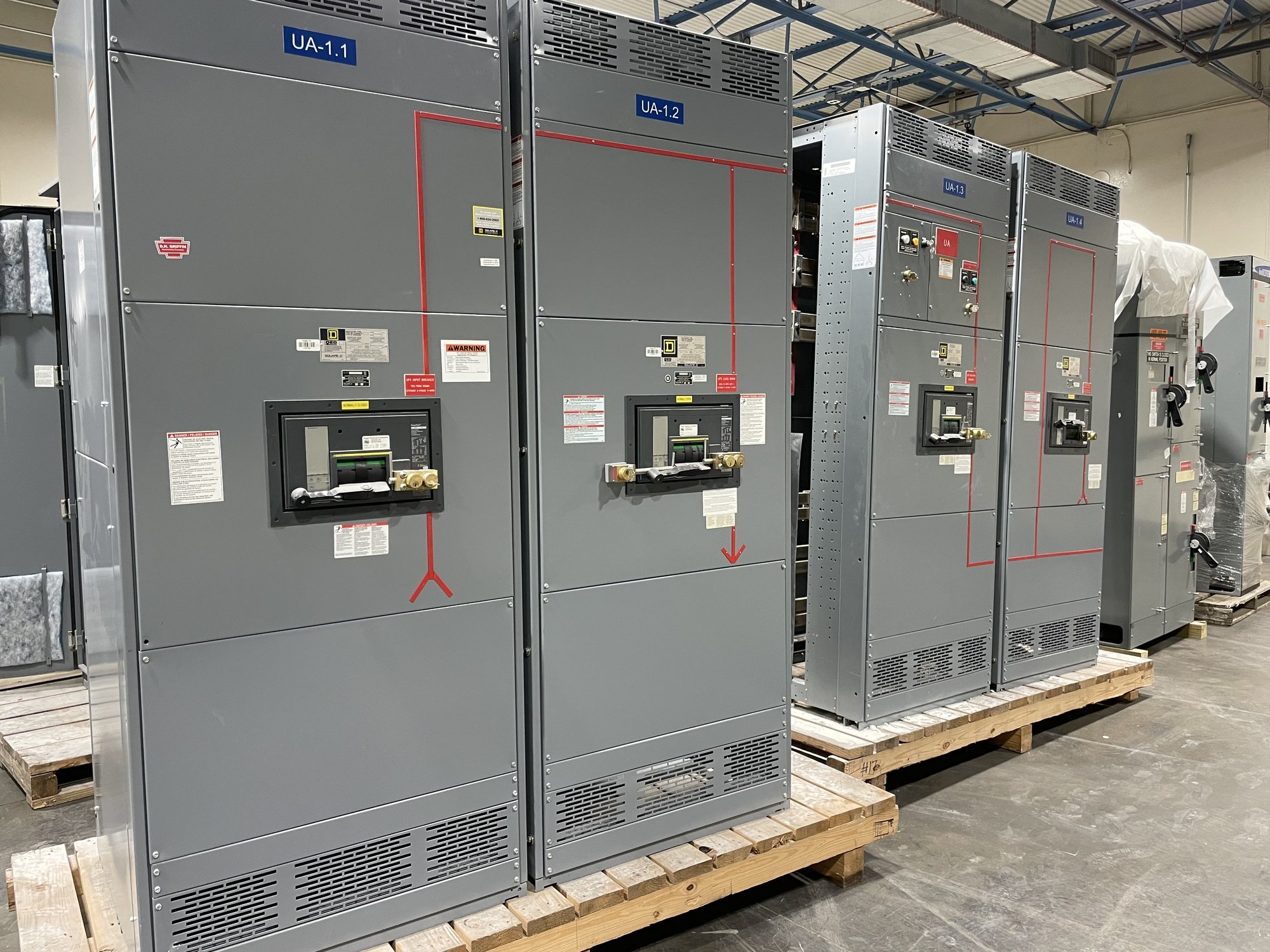
Define the closeout boundary
Before logging findings, agree what the punch list covers: the switchboard or switchgear assembly, installed field connections, control wiring, protective devices, labels, drawings, and related project records. Separate equipment-supply scope from installation, utility, controls, and site work. This prevents an open item from drifting between parties simply because its location is inside a lineup.
Use the approved submittals, purchase documents, project specifications, and inspection or test records as the reference set. Record drawing numbers and revisions so reviewers can distinguish a genuine discrepancy from a superseded detail. If the requirement is unclear, identify the question and assign it for engineering or authority review instead of treating an assumption as an accepted correction.
Record findings so they can be acted on
Give every deficiency a unique ID and precise location, such as section, compartment, device, terminal, or drawing reference. Describe the observed condition in neutral terms, then state the applicable requirement and attach useful evidence: a marked-up drawing, test result, inspection note, or photograph where permitted. Avoid vague entries such as “check breaker”; specify what was checked and what remains unresolved.
Include the date, recorder, responsible organization, proposed disposition, and status. Distinguish a confirmed defect from a question awaiting interpretation or an item that cannot yet be inspected. Keep revisions visible rather than deleting prior entries; a dated history helps the project team understand what changed, why it changed, and which evidence supports closure.
Prioritize by consequence and dependency
Classify findings by their effect on safe completion, required testing, energization readiness, operations, and documentation. A mismatch that affects an approved protection scheme or prevents required testing needs prompt engineering attention; a missing record may block handoff even when the assembly itself is complete. Do not assign a risk level from appearance alone—use project criteria and qualified technical review.
Track dependencies as well as urgency. A drawing clarification may be needed before a component can be changed, and a correction may require follow-up inspection or retesting. Identify items that affect procurement, site access, outage windows, or other trades. Set due dates with the responsible parties, but do not represent a proposed date as a committed completion or delivery date until confirmed.
Agree on a controlled correction
For each accepted deficiency, document the approved disposition: repair, replacement, adjustment, drawing revision, or an authorized resolution that explains why no physical change is required. Confirm who has design authority and who will perform the work. Changes to bus, wiring, protective devices, interlocks, or nameplate information may affect other approved details, so route them through the project’s engineering and change-control process.
If a correction requires new or custom-built equipment, resolve the technical and procurement questions before ordering. Share the equipment type, system requirements, lineup arrangement, affected section or device, approved drawings, applicable specifications, quantity, required records, and target project dates. For Georgia delivery, provide the site location, receiving constraints, unloading arrangements, and delivery window; exact scope, availability, and schedule are confirmed for each order.
Verify closure with evidence
Do not close an item merely because work is reported complete. Define the verification method in advance: drawing review, visual inspection by qualified personnel, documented test, or a combination appropriate to the deficiency. Record the result, date, reviewer, and supporting evidence. Any inspection, testing, or corrective work on electrical equipment must be handled by qualified personnel under the project’s safety controls.
Where a correction changes the assembly or its documentation, reconcile the final condition with approved drawings, device information, labels, and applicable test records. If a test is repeated, link its results to the deficiency ID and identify the equipment configuration tested. When a result is inconclusive or fails, reopen the item with the next action rather than recording a provisional pass.
Transfer a usable turnover record
At handoff, issue a controlled list showing each item as verified closed, accepted as an approved exception, or still open with an owner and next step. Include the final evidence package, drawing revisions, applicable test documentation, and any outstanding procurement or site dependencies. Make unresolved items visible to the receiving facilities team; do not imply that turnover status itself authorizes energization or establishes code compliance.
Before requesting a quote for equipment tied to an open deficiency, send the relevant entry, approved disposition, current drawings, specifications, required documentation, quantity, and Georgia delivery constraints. Ask which configuration details or engineering decisions remain necessary to define scope. That focused package helps establish a correct proposal and gives the project team a traceable path from deficiency through correction to verified handoff.