Build the plan from reliable equipment records
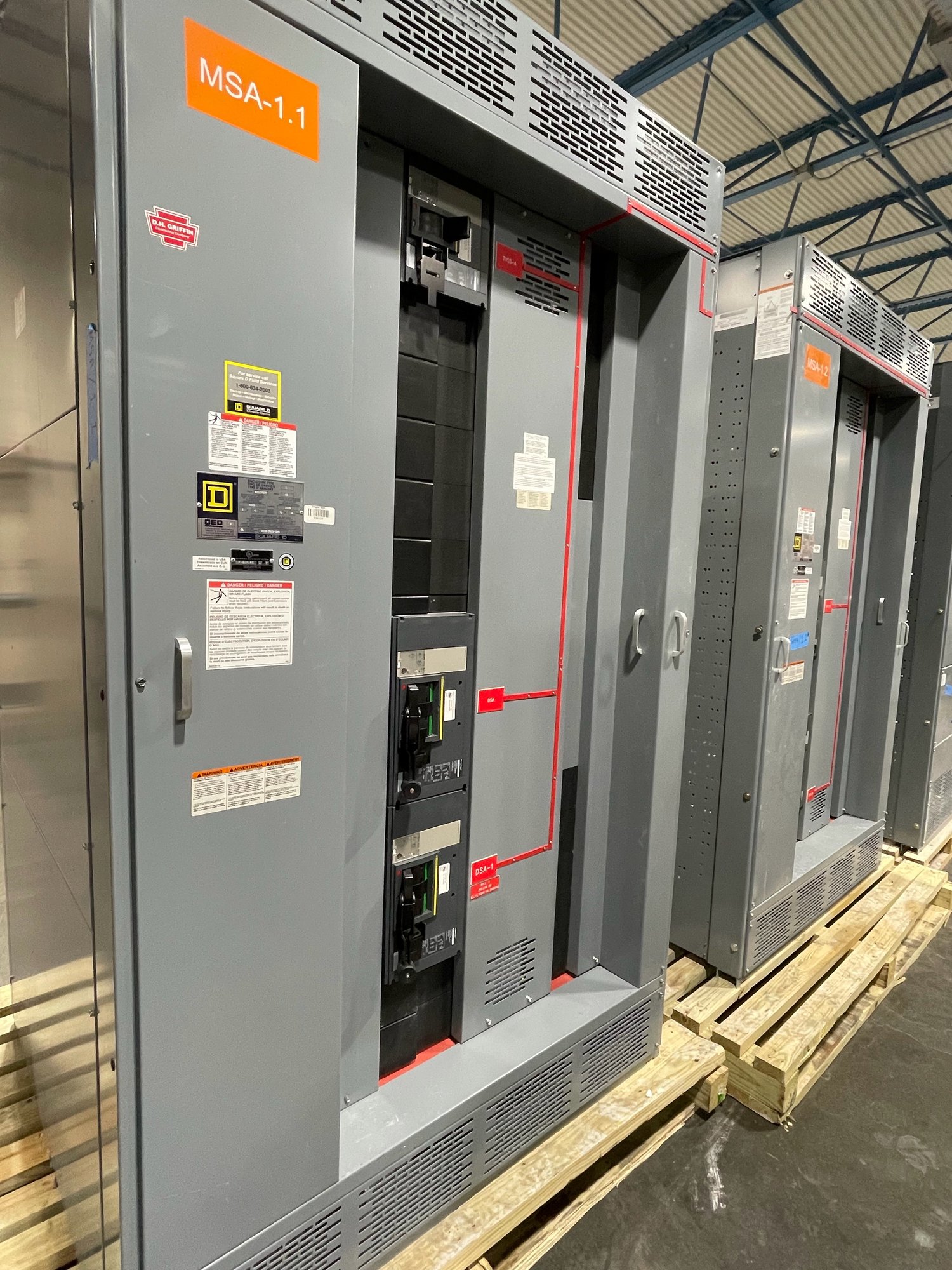
Begin by identifying each lineup and its role: manufacturer, model, serial number, voltage class, service date, breaker types, protective devices and available drawings. Record the applicable maintenance instructions and any limits on inspection or testing. If labels are missing or documents conflict with the installed arrangement, resolve those gaps before assigning tasks or intervals.
A current one-line diagram and equipment schedule help maintenance planners connect each switchboard or switchgear section to its source, loads and isolation points. Capture modifications, replaced breakers, protection-setting changes and known defects in a controlled record. These details prevent a generic checklist from being applied to equipment that has a different configuration or operating duty.
Let condition and environment shape intervals
Set inspection frequency with evidence from the equipment and the site. Relevant indicators include dust or corrosion, moisture, unusual odor or discoloration, damaged insulation, loose or obstructed ventilation paths, abnormal sound, and a history of overheating or nuisance trips. Trend observations over time; a new change can matter more than a condition that has remained stable.
Georgia sites may face humid conditions, airborne dust, temperature swings, or exposure near cooling equipment and exterior doors. Consider the actual enclosure location and room controls rather than assuming all equipment at one facility experiences the same environment. If conditions are severe or changing, have qualified electrical personnel assess whether the inspection approach or interval needs revision.
Follow manufacturer guidance and qualified procedures
Use the equipment and component manufacturers’ instructions as the starting point for inspection, cleaning, lubrication, adjustment and testing. Requirements can differ by breaker design, insulation system, control circuit and accessory. Confirm which tasks require de-energization, special tools, replacement parts or specific test methods. Do not substitute an assumed interval or procedure when the applicable documentation is available.
Assign work to qualified personnel using the facility’s electrical safety and outage procedures. Define boundaries for visual checks, testing, repairs and return to service, and coordinate required isolation and verification. Maintenance planning should identify the work scope and responsible roles without implying that energized work is appropriate or that a condition is acceptable without engineering review.
Prioritize by operational criticality
Rank equipment by the impact of failure and the practical ability to transfer or shed its loads. A lineup serving a single critical process, life-safety-related function or facility-wide distribution point may warrant closer condition tracking and more deliberate outage preparation than equipment with an available alternate path. The facility’s risk assessment and applicable requirements should guide that prioritization.
Include switching frequency, fault history, load changes and the availability of spare components in the assessment. A highly loaded section or a breaker that operates frequently may merit focused review, while low utilization alone does not establish good condition. Use findings to schedule work during a feasible outage window and to decide whether engineering evaluation, corrective maintenance or replacement planning is appropriate.
Define evidence, scope and handoff
For each maintenance event, specify what will be inspected or tested, what records will be delivered and how deficiencies will be escalated. Useful records include dated observations, test results where applicable, settings or configuration references, photographs when permitted, corrective actions and the person responsible for follow-up. Separate measured results from visual observations and document equipment that could not be assessed.
Before work, align the facility, contractor and maintenance provider on the affected equipment, outage duration assumptions, access constraints, load-transfer plan and approval path for additional repairs. Afterward, reconcile the work performed against the one-line diagram and equipment history. This handoff gives the next planner usable evidence rather than an unexplained pass-or-fail note.
Plan replacement work around maintenance findings
When findings indicate that a lineup needs replacement or a configuration change, carry the maintenance record into the new-equipment specification. For a quote, share the one-line diagram, existing nameplates, equipment scope, required ratings, protective-device details, enclosure conditions, connection and access constraints, desired configuration, and the outage or project schedule. Flag unknowns rather than guessing; engineering review can identify what must be confirmed.
We manufacture and supply new switchgear and custom-built configurations with American-made components and nationwide shipping, including delivery planning for Georgia projects. Exact scope, component availability and timing are confirmed for each order. Start by consolidating condition findings, drawings and site constraints, then request a quotation that identifies open technical questions and the information needed to coordinate design review, production and delivery.