Start with a defined equipment scope
Establish the electrical function and boundaries of the equipment before building a budget. Identify whether the project calls for a low-voltage switchboard, other switchgear, or multiple assemblies, and document the system voltage, service arrangement, ampacity, fault-current information, feeder count, and required protective devices. The engineer of record must determine applicable ratings and design requirements; a preliminary budget should not substitute assumptions for reviewed drawings or utility data.
For a new switchboard assembly, ask whether the proposed configuration is intended to meet UL 891 and which components and options are included in the manufacturer’s scope. UL 891 applies to switchboards, not as a blanket listing for medium- or high-voltage switchgear. Separate the base assembly from requested metering, control, communications, enclosures, and accessories so each cost is visible. Confirm the final scope, availability, and schedule for the specific order.
Budget engineering and procurement decisions
Engineering costs can include load and fault-current studies, protection coordination, arc-flash analysis, drawings, equipment layout, and review of interfaces with existing systems. Some work may already be covered by the project’s electrical engineer or contractor; some may require separate design or study services. Assign each deliverable to a responsible party, and record whether it is included in a proposal rather than counting it twice or leaving it unbudgeted.
Procurement comparisons are most useful when vendors receive the same one-line diagram, equipment schedule, specifications, and requested options. Ask for a clear breakdown of assembly scope, exclusions, submittal requirements, and any assumptions about dimensions or connections. American-made components and custom-built configurations may suit project requirements, but their exact availability and configuration should be confirmed for the order. Include freight, handling, and any special delivery requirements as separate budget lines.
Include installation and site work
Installation cost depends on the site, not just the equipment price. Have the contractor assess access routes, receiving and storage, lifting needs, working clearances, existing gear removal if applicable, conduit and cable routing, terminations, anchorage, and required shutdown windows. Building modifications, temporary power, hazardous-material controls, and coordination with other trades can materially change the estimate. The qualified electrical contractor should define installation labor and means and methods for the actual site.
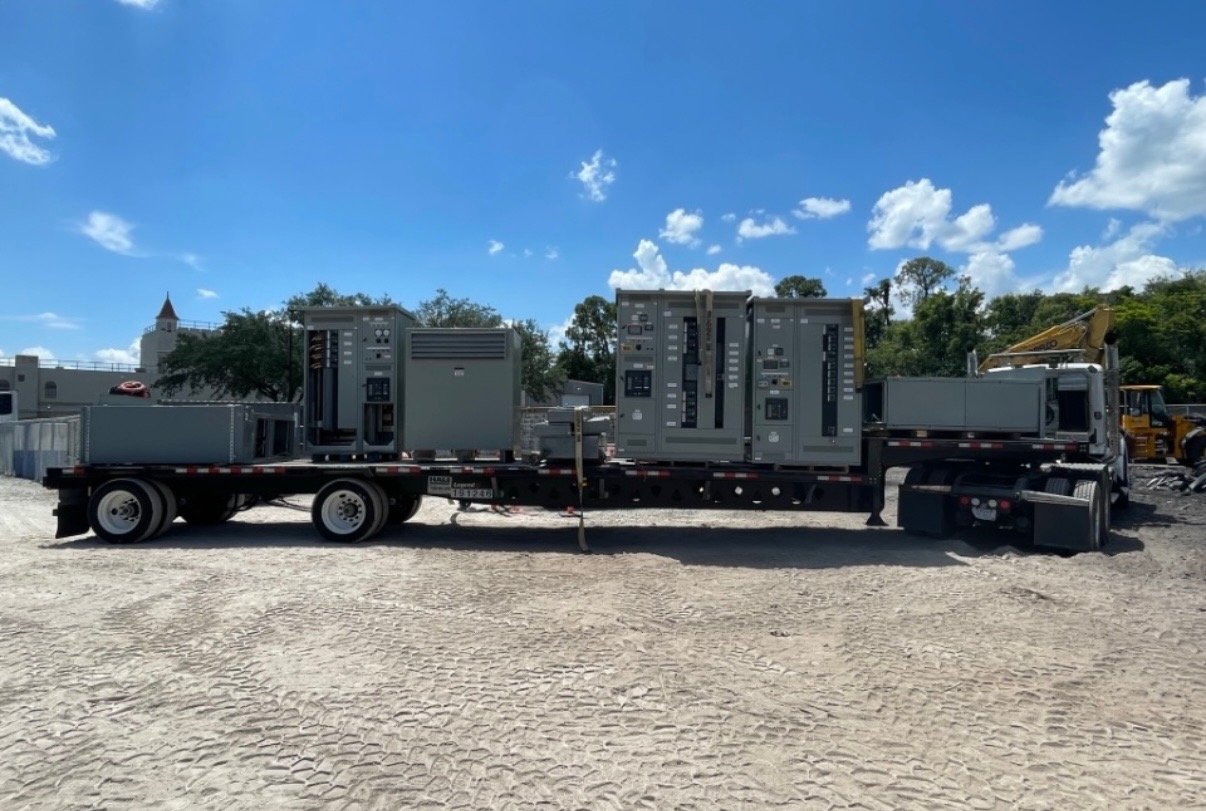
Georgia delivery planning belongs in the project schedule and cost estimate. Share the project location, receiving hours, site access limits, unloading responsibility, and whether delivery must align with a crane, installation crew, or restricted outage. Nationwide shipping is available, but freight cost, route, handling, and timing depend on the order and destination. Confirm delivery terms and the receiving plan before finalizing the budget; do not assume equipment can be stored outdoors or moved directly into position.
Account for utility coordination and commissioning
Utility-related work can include service application or review, metering requirements, service changes, utility-side construction, and coordination of energization or outages. Responsibilities and charges vary by utility and project. Identify which items are utility-provided, customer-funded, or contractor-managed, and request current project-specific information rather than applying a generic allowance. Record dependencies such as approved service details or available fault-current data that could affect equipment selection.
Commissioning and startup costs should reflect the agreed scope. Consider inspection, mechanical and electrical checks, protective-device settings, functional testing, documentation, and coordination among the manufacturer, contractor, engineer, and facility team. Clarify who supplies test equipment, who witnesses tests, and what records must be handed over. Only qualified personnel should install, test, service, or energize electrical equipment, under the project’s approved procedures and applicable authority review.
Set contingency and protect the handoff
Build contingency around identified uncertainty, not a convenient percentage alone. Potential exposures include incomplete utility data, changing feeder requirements, concealed site conditions, design revisions, access restrictions, freight changes, and schedule shifts. Keep the base estimate, defined allowances, and contingency distinct so decision-makers can see what is known and what remains unresolved. Update those lines as drawings, utility information, and supplier scope become more complete.
Before releasing procurement, reconcile the equipment quote with the engineer’s documents, contractor installation estimate, utility responsibilities, commissioning plan, and delivery assumptions. For a quote, share the one-line diagram, equipment schedule, required standards and options, site location, target delivery window, receiving constraints, and known utility or outage requirements. Ask which items are included, excluded, or awaiting confirmation. This handoff gives the Georgia project team a defensible total budget and a practical list of open decisions.