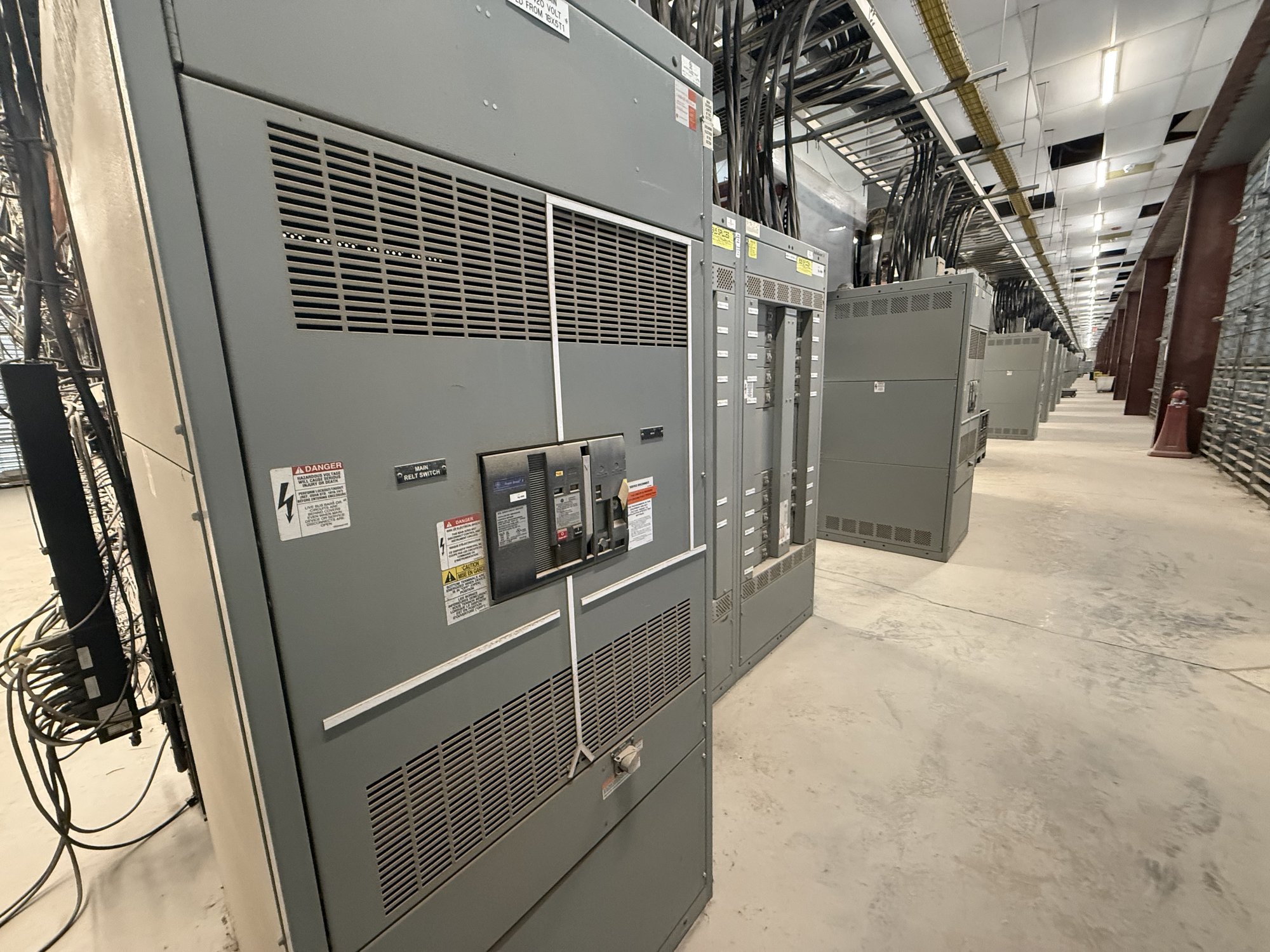
Separate equipment and installation scopes
Start by defining what the equipment quotation includes and what the installation contractor must provide. A new switchboard or switchgear assembly may be quoted separately from demolition, setting, anchoring, field connections, conduit work, control wiring, testing, and startup. Written scope boundaries help prevent gaps and duplicated allowances when procurement compares proposals.
For a new UL 891 switchboard assembly, confirm the proposed section arrangement, incoming and outgoing connections, metering, protective devices, and available drawings needed for installation planning. UL 891 applies to switchboard assemblies; it is not a blanket listing for medium- or high-voltage switchgear. The project’s engineer and authority having jurisdiction must review the applicable design and requirements.
Estimate labor from the actual work
Installation labor depends on more than equipment size. Contractors need to account for removal or modification of existing gear, setting and alignment, bus or cable connections, control terminations, labeling, inspections, and the number of shifts available. Tight shutdown windows, restricted working hours, and coordination with other trades can add labor or require phased work.
Ask bidders to state their assumptions about crew size, work hours, shutdown duration, and tasks assigned to the facility team. Share the one-line diagram, equipment schedule, room layout, and known field conditions where available. If the equipment replaces an existing lineup, identify what can remain in service and what must be disconnected so the estimate reflects the intended sequence.
Check access and rigging before delivery
The route from the delivery point to the electrical room can determine handling method and cost. Door and corridor clearances, turning space, stairs, floor capacity, overhead obstructions, loading-dock limits, and elevator dimensions may affect whether sections can move intact or need a different handling plan. Confirm the equipment’s shipping configuration and dimensions against the route before finalizing the site plan.
Rigging allowances may include a crane, forklift, skates, temporary access changes, traffic control, or a licensed rigging contractor, depending on site conditions. Share the delivery address, receiving hours, dock or curb access, unloading equipment, and any restrictions on staging. Georgia delivery can be coordinated to the project schedule, but freight arrangements and timing depend on the order, destination, and confirmed scope; do not assume delivery includes inside placement.
Price conduit, cable, and temporary power
Existing conduits and conductors may not align with replacement equipment. Compare conduit entry locations, cable bend space, conductor sizes and lengths, grounding paths, and control wiring requirements with the proposed lineup and field measurements. Changes can mean new conduit, cable tray, conductors, fittings, supports, or wall and floor penetrations. Have the electrical contractor identify which conditions are verified and which remain allowances.
Temporary power may be needed to keep selected loads operating while circuits are transferred or equipment is unavailable. Determine which loads are essential, how they will be supplied, where temporary distribution can be placed, and who will provide and monitor it. Generator rental, temporary cabling, fuel, connection labor, and coordination may all affect cost. The project engineer and qualified electrical contractor should establish the temporary-power approach for the specific facility.
Budget testing and outage impacts
Testing scope should be explicit. Clarify who performs inspections, connection checks, protective-device settings and testing, functional checks, and documentation, and whether those tasks are included in the installation proposal or handled separately. The required procedures depend on the equipment, project specifications, and engineering direction. Coordinate acceptance requirements before award so the schedule and cost include the intended verification and handoff.
Outage cost extends beyond electrical labor. Production interruptions, reduced operating capacity, after-hours work, tenant coordination, and the time needed to restore loads can affect the project’s total financial impact. Identify the loads that cannot be interrupted, acceptable outage windows, dependencies on other equipment, and the party authorized to approve shutdown and re-energization. Avoid treating a proposed duration as confirmed until the work sequence and site conditions have been reviewed.
Build a comparable quote request
For a useful equipment quote, provide the one-line diagram, desired lineup arrangement, electrical specifications, connection and control requirements, delivery location, and target project milestones. Also share known access limits, receiving rules, whether the site requires staged delivery, and the planned installation sequence. State which details are preliminary so design assumptions can be identified rather than mistaken for confirmed requirements.
Request separate equipment, freight, and installation allowances where applicable, and ask contractors to list exclusions, site assumptions, testing responsibilities, and outage dependencies. Before purchase, have procurement, the electrical contractor, facility operations, and the project engineer reconcile the equipment drawings with access, conduits, temporary power, and shutdown plans. Confirm the final configuration, availability, and delivery timing for the specific order, then carry unresolved field work as a clearly assigned scope item.