Start with the agreed test scope
Use the purchase specification, approved submittals, and order clarifications as the basis for review. Identify which tests were required, which were included in the manufacturer’s scope, and which are to be performed by others. A report may document routine production checks, inspection findings, or specified functional tests; do not assume that it covers every site acceptance test or field condition.
Compare each reported activity with the exact requirement, including any stated procedure, test point, or deliverable. Ask whether a required item is documented elsewhere if it does not appear in the report. Conversely, distinguish an omitted requirement from a test that was never part of the agreed scope. Resolve gaps through documented clarification rather than treating a general statement such as “tested” as proof of a particular result.
Confirm the report matches the equipment
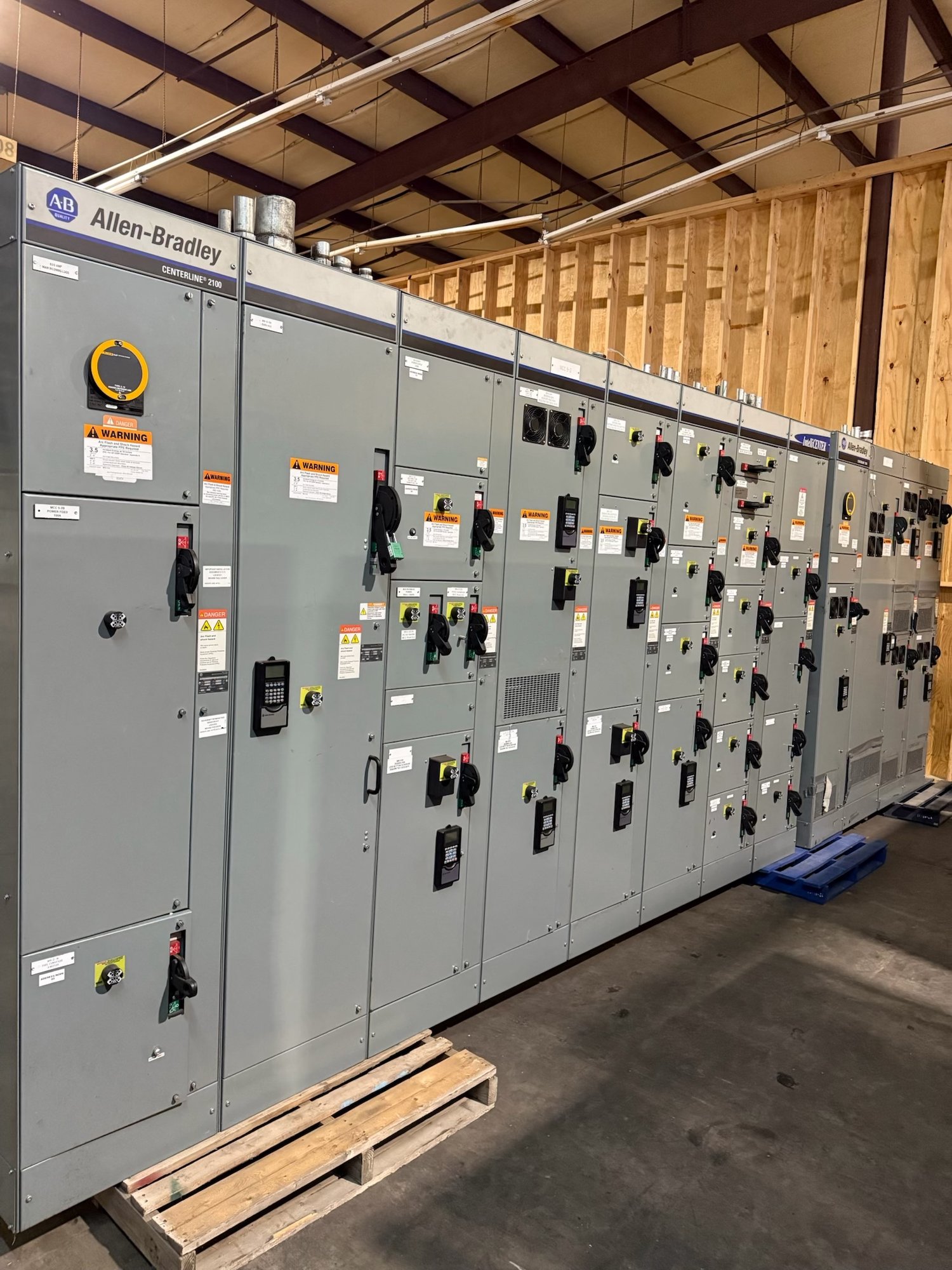
Check identifiers against the approved equipment schedule and nameplate information. Depending on the project, useful identifiers include manufacturer, assembly or lineup designation, order or project reference, section numbers, serial numbers, and equipment ratings. Make sure the report’s identifiers connect clearly to the switchboard or switchgear sections being delivered, especially where a lineup contains multiple sections or related assemblies.
Look for discrepancies in labels, configuration descriptions, or stated ratings, and route them for resolution before document approval. A report for a similar assembly is not a substitute for traceable records for the ordered equipment. If the equipment description changed during engineering, verify that the report reflects the approved revision and final configuration, not an earlier drawing or preliminary schedule.
Evaluate results against acceptance criteria
Read recorded values and observations beside the specified limits or acceptance statements. Confirm units, test conditions, and the meaning of pass, fail, or not applicable entries. Where criteria are numerical, verify that the reported result is compared with the correct limit and that the report identifies the relevant circuit, device, or test point. Where the criterion is visual or functional, look for enough description to understand what was examined and the outcome.
Do not infer acceptance from a blank field, an unexplained check mark, or a summary page alone. Ask for clarification when a result is missing, ambiguous, outside a stated criterion, or inconsistent with another report entry. The engineering team should determine whether the issue requires correction, retest, a documented technical disposition, or no further action under the agreed requirements. Do not revise acceptance criteria informally after testing to make a result appear acceptable.
Check traceability and document control
Review report dates, revisions, signatures or approvals where required by the project, and references to applicable procedures or instruments when those details are part of the agreed documentation. Confirm that attachments, data sheets, and test records are present and legible. For a multi-section assembly, check whether results can be followed from the summary to the specific section or device without relying on assumptions.
Keep the reviewed report with the approved drawings, equipment schedule, and any clarification records. If a correction is issued, preserve the current revision and ensure superseded copies are not mistaken for the accepted record. Procurement can track submittal status and outstanding documents; engineering should assess technical results and confirm whether they satisfy the project criteria. This separation helps prevent administrative approval from being mistaken for engineering acceptance.
Resolve exceptions before handoff
An exception should identify the affected equipment, the requirement at issue, the reported condition, and the proposed resolution. Request supporting results or a revised record when needed, and establish who must review and approve the disposition. If a retest is required, agree on its scope and documentation before it occurs. Keep any field verification or commissioning activities distinct from factory test records unless the project specifically combines them.
Before releasing documentation for project turnover, verify that required tests are accounted for, equipment identifiers align, exceptions are closed or formally dispositioned, and the final report revision is recorded. This gives the installing contractor and facilities team a clear basis for planning without implying that factory testing replaces installation checks or commissioning. Follow the project’s approved procedures and assigned responsibilities for any later work on the equipment.
Prepare a focused request for review or quote
When requesting a report review or pricing for new equipment, share the equipment schedule, approved or current drawings, purchase specification, required tests and acceptance criteria, document-submittal requirements, and any known revision history. Identify which assemblies and sections are in scope, who will approve technical dispositions, and whether separate field testing is planned. These details help establish what documentation and configuration are required without assuming a particular design or test package.
For Georgia delivery planning, provide the jobsite destination, requested delivery window, receiving constraints, and the date the project needs approved documentation for installation planning. Delivery timing, equipment availability, and the exact test-report package are confirmed for each order. Before accepting a report, compare it line by line with the agreed scope and equipment identifiers, record unresolved exceptions, and obtain the required engineering disposition so the handoff is clear.