Set the purpose and scope
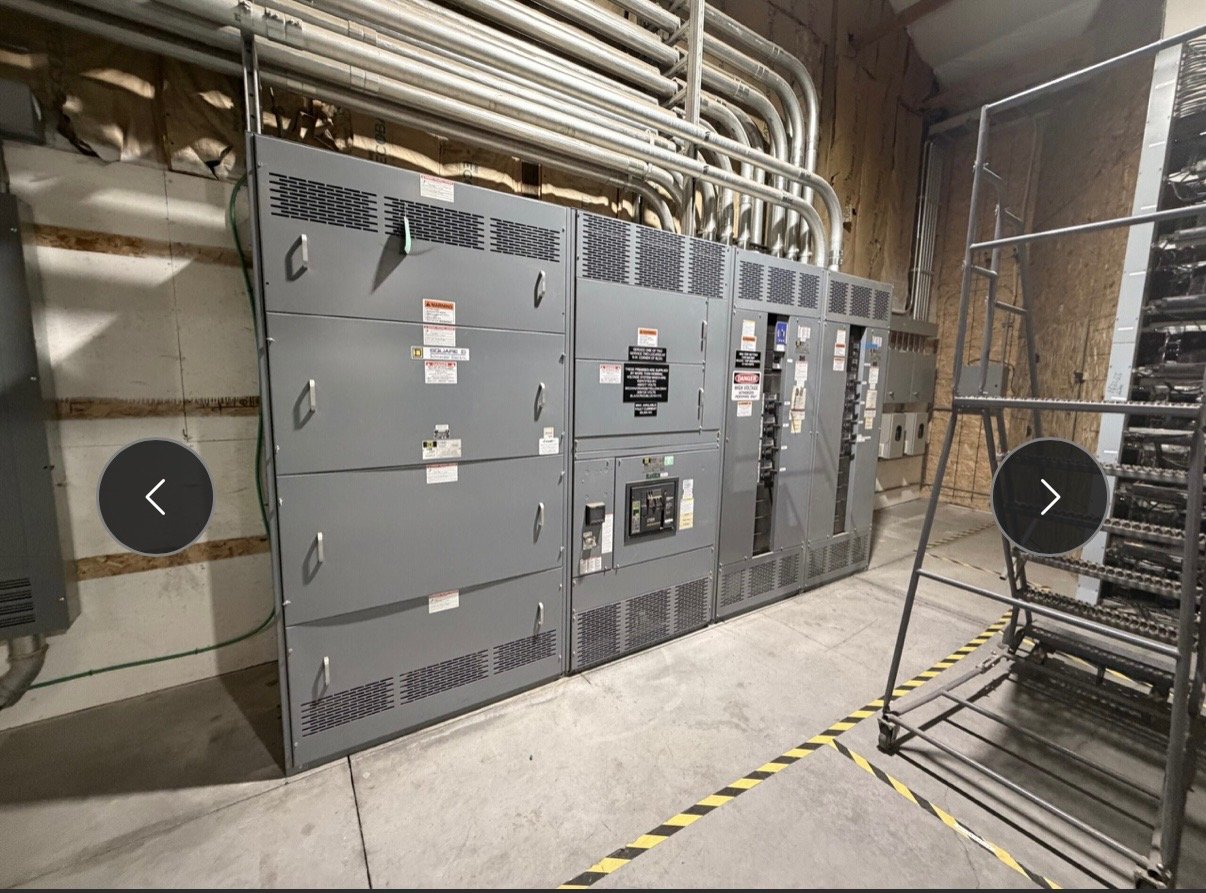
Start by identifying what the witness event must verify. A purchaser may want to observe selected factory tests, review documentation, confirm workmanship, or verify that the completed assembly matches approved submittals. Those are different objectives. List the equipment included, the sections or features to examine, and any project-specific checks requested by the engineer. For UL 891 switchboard assemblies, distinguish the applicable assembly standard and routine production tests from any additional purchaser-requested demonstrations. UL 891 does not establish a blanket certification for medium- or high-voltage switchgear.
Ask the design team to name the governing specifications and identify the documents that define acceptance: approved drawings, equipment schedules, approved deviations, and specified test procedures. Resolve conflicts before the event rather than asking attendees to interpret them at the test floor. If a requested test depends on the final design, state that it is subject to engineering review and confirmation. A focused scope helps the manufacturer plan qualified personnel, test equipment, and access while keeping the event tied to the project’s actual requirements.
Define attendance and notice
Decide who may witness on the purchaser’s behalf and who needs to receive the schedule notice. The list can include the owner’s representative, consulting engineer, electrical contractor, commissioning lead, or procurement staff, but attendance should be limited to people with a defined review role. Identify one person authorized to consolidate comments and make decisions during the event. Confirm whether remote observation is acceptable, what records can be shared, and any site access, safety, or confidentiality requirements in advance.
Agree on how much notice is needed and how the proposed date becomes firm. Production completion, approved drawings, test equipment availability, and staff scheduling can all affect a witness date. Specify who issues the notice, how attendees acknowledge it, and what happens if a representative cannot attend. An absence should not silently change the test scope or create an indefinite production hold; the purchase documents should state whether the event proceeds, is rescheduled, or requires written authorization.
Make hold points unambiguous
A hold point means work or release pauses until a defined party gives permission to proceed. Name each hold point, its trigger, the responsible reviewer, and the required release record. For example, the parties might require approval before a specified test, before corrective work is closed, or before shipment authorization. Avoid broad language such as “hold for inspection” unless the inspection stage, notice process, and release authority are stated. Not every witnessed activity needs to stop the build; distinguish mandatory holds from witness opportunities.
Clarify the effect of a missed date, late comment, or disputed observation. Set a process for documenting the issue, assigning a technical owner, and deciding whether the equipment remains on hold. If a finding could affect design, protection, or interface requirements, route it to the responsible engineer for disposition rather than treating an informal observation as an approved change. The final disposition should identify the affected equipment and documents, any required retest, and the person authorized to release the hold.
Write acceptance criteria before testing
Acceptance criteria should be measurable or tied to an agreed reference. Specify which tests are required, the procedure or standard to follow, the records to capture, and what constitutes a pass, failure, or inconclusive result. Depending on the approved design and test plan, the scope may include visual examination, wiring checks, mechanical operation, or electrical tests. Do not assume every test applies to every assembly. The manufacturer and purchaser should confirm feasibility, test conditions, and any limits imposed by the equipment configuration before approving the plan.
State how deviations are handled. Identify whether a minor documentation correction can be closed after the event, whether a failed test requires corrective action and repetition, and who accepts a proposed disposition. Avoid vague criteria such as “satisfactory to owner” without naming the reviewer and the documents used to judge the result. A signed test report should capture the equipment identification, date, test procedure, results, observations, open items, and approvals. This record supports procurement closeout and gives the field team a reliable handoff.
Coordinate the event with delivery
The witness date is only one milestone in the order schedule. Connect it to drawing approval, manufacturing completion, test-plan approval, correction time, final documentation, and shipment release. Ask whether the quoted schedule assumes a witness event, how rescheduling may affect release, and whether pending comments can be closed without delaying unrelated sections. Confirm packaging and shipping requirements, receiving hours, unloading responsibility, and the project’s required delivery window. For Georgia delivery, provide the jobsite or receiving location and any routing, access, or appointment constraints so shipment planning reflects the actual destination.
At the project handoff, send the approved test plan and final report to the people who need them for installation, commissioning, and records retention. Identify unresolved items separately from accepted results, with an owner and due date for each. Do not treat factory witness testing as a substitute for field verification, commissioning, or review by the authority having jurisdiction. Those activities depend on the installed system and project requirements and should remain in the appropriate project scope.
Prepare a quote-ready witness request
For a useful quote, share the equipment type and scope, the governing specification, approved or current drawings, requested tests, witness attendance preference, proposed hold points, acceptance references, and required report format. Include the desired testing window, the number and roles of attendees, remote-observation needs, and any project rules that affect access or schedule. Identify who can approve the test plan and release a hold. If drawings or requirements are still under review, mark them clearly so assumptions can be confirmed rather than mistaken for final instructions.
Before approving the purchase documents, ask the manufacturer to confirm the included witness activities, notice and rescheduling process, hold-point consequences, deliverable records, and the schedule basis. Confirm that any added test or special acceptance requirement has been reviewed for the specific design. Then circulate the agreed plan to engineering, procurement, construction, and receiving teams. This gives the Georgia project team a defined route from factory observation to documented acceptance and shipment planning.