Assign authority before setting the date
Name the person authorized to direct the energization sequence, the qualified electrical personnel performing switching, and the facility representative who controls access and operational approval. Identify who can stop the work, who confirms prerequisites, and who may authorize a restart after a delay. These roles should be explicit rather than inferred from job titles or presence at the site.
The engineer of record, commissioning lead, contractor, and facility operations staff may have different responsibilities. Agree who approves the switching procedure, confirms protection settings and system readiness, and communicates with affected departments. For procurement, ask who will supply approved drawings, settings information, and operating instructions, and when those documents are needed to support the planned sequence.
Define what is isolated and what is not
Document the boundaries of the work area and identify every source that could energize the equipment, including normal feeds, alternate sources, generators, ties, control power, and possible backfeeds. The project team should establish the required isolation, lockout/tagout, verification, and release process under its applicable safety program. Only qualified personnel should perform electrical testing, switching, or work on the equipment.
Distinguish equipment that is installed but not ready to energize from equipment released for a specific step. Record isolation points, device positions, tags, test results, and outstanding exceptions in the project’s controlled documentation. Confirm who verifies that temporary grounds, test leads, barriers, and tools are removed or accounted for before authorization to energize; do not rely on a verbal assumption that an area is clear.
Coordinate communications and hold points
Use a written sequence with defined hold points, expected indications, and a named person responsible for confirming each step. Include how switching commands are repeated back, how equipment status is reported, and which communication channel is primary. Establish a backup method if radios, phones, or remote monitoring are unavailable. Notify affected operators and departments before the window, including the expected service impact and the route for reporting an unexpected condition.
Specify what evidence permits progress: approved drawings, completed installation checks, test records, protection settings, control-power checks, and required engineering or authority approvals. The appropriate project professionals determine which checks apply to the installation. If a result is missing, inconsistent, or outside approved criteria, the plan should pause at a defined hold point rather than allowing schedule pressure to substitute for technical review.
Plan contingencies, not improvisation
Before the switching window, agree on stop-work triggers and actions for abnormal indications, failed controls, unexpected voltage, protection operation, loss of communications, or an unanticipated load response. State who declares the sequence stopped, how the affected equipment will be returned to an agreed condition, and who evaluates whether another attempt is permitted. Any response must follow the approved procedure and be directed by qualified personnel with appropriate authority.
Consider practical constraints such as limited outage duration, occupied areas, critical loads, weather exposure, access restrictions, and coordination with the serving utility where applicable. Set a decision point for rescheduling if prerequisites are not met. A contingency plan is useful only when participants understand it, have the necessary information, and know how to reach the responsible decision-makers during the work.
Connect equipment scope to the field plan
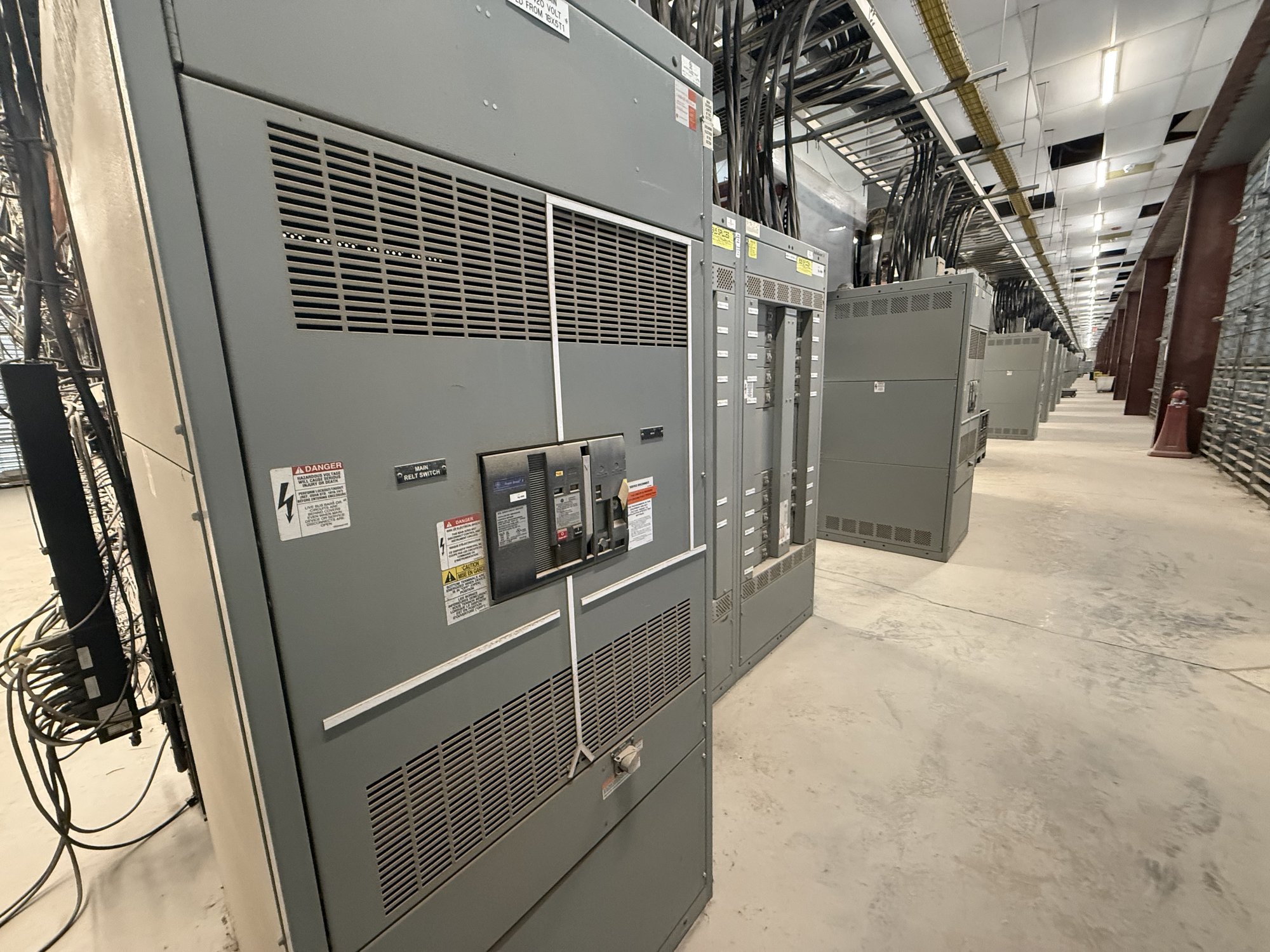
When requesting a quote for new switchgear or a UL 891 switchboard assembly, share the one-line diagram, system voltage and configuration, source and tie arrangement, intended sequence, site constraints, and required document submittals. Identify any control, metering, communications, or interlocking requirements that affect installation checks and commissioning. Provide the project schedule and the date equipment information is needed; exact scope, availability, and timing are confirmed for each order.
Discuss who will review submittals, resolve interface questions, and receive final drawings and operating information before shipment. Georgia delivery planning should account for the receiving location, access and unloading arrangements, storage conditions, and the construction sequence. Confirm these details with the project team so delivery can support installation and energization planning without assuming a particular site condition or schedule.
Close the handoff with a readiness record
Before the energization window, hold a readiness review with the people assigned to direct, perform, and observe the work. Confirm the current procedure and drawings, required approvals, isolation records, test documentation, communications, contingency actions, and open-item status. Record decisions, attendance, and the authorized release point in the project’s document-control system so each shift and stakeholder works from the same information.
After the sequence, document the actual equipment status, switching steps completed, alarms or deviations, unresolved issues, and who accepted the handoff to operations. Update records and operating instructions through the project’s approved process. The practical next step is to request the equipment quote with the one-line diagram, delivery constraints, and planned energization sequence, then assign owners for every readiness item before the field date.