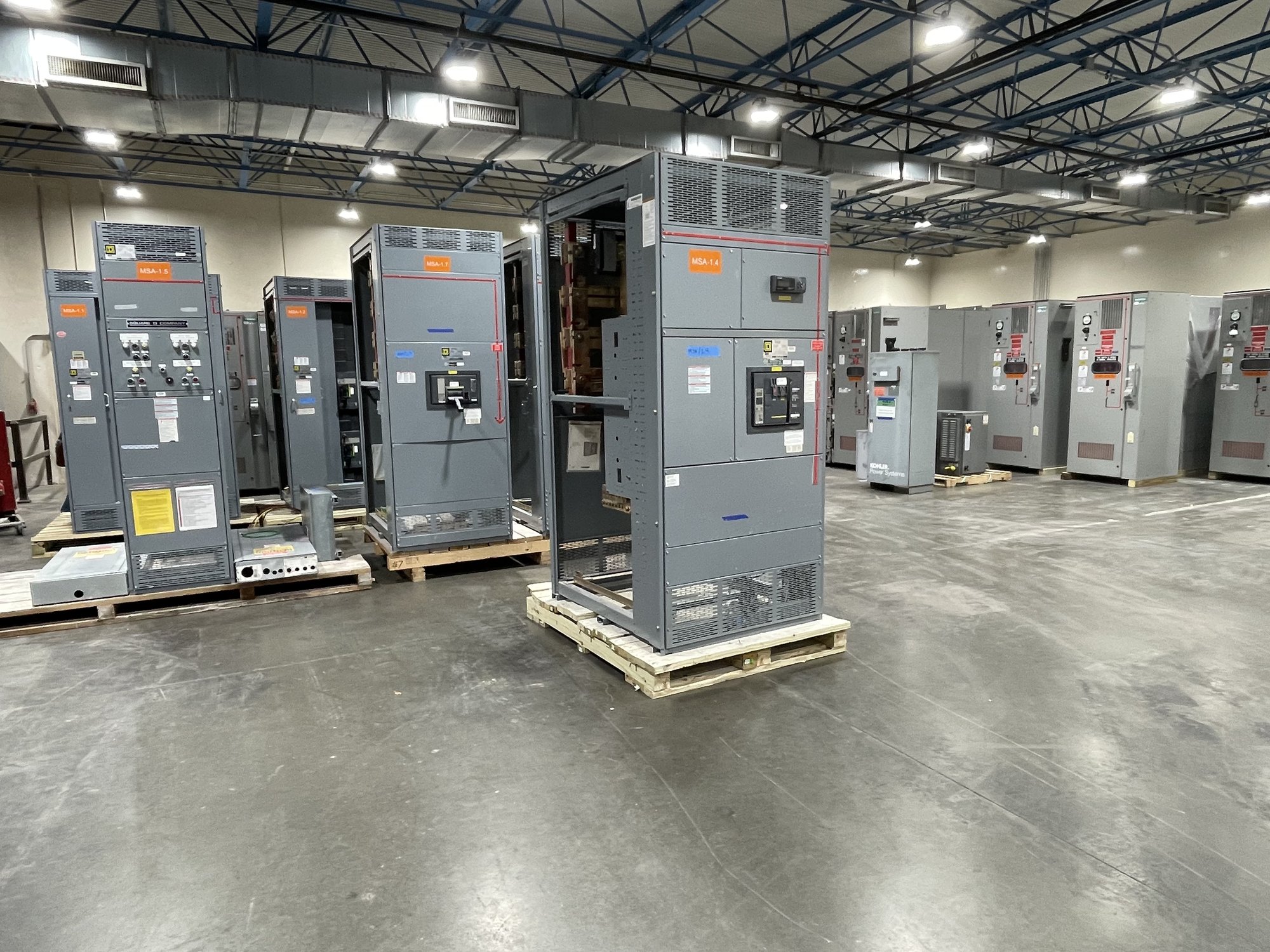
Define the project before requesting a quote
Start by identifying what the equipment must serve and where it fits in the electrical system. Is the project a replacement, a facility expansion, a new building, or a change to an existing distribution arrangement? Note the incoming source, downstream loads, available drawings and any equipment interfaces that must remain in place. These details help distinguish a switchboard requirement from other switchgear needs without assuming the design.
For a Warner Robins project, also explain the site’s operating context. Record whether the work is planned around a shutdown, phased construction, a temporary power arrangement or a new service connection. If existing equipment will remain energized while adjacent work proceeds, identify that constraint for the project team. The design and installation plan must be developed and reviewed by qualified professionals for the actual conditions.
Provide technical information that shapes scope
A useful quote request includes available one-line diagrams, equipment schedules, specifications and photographs of the relevant installation area. Identify system voltage, phase, frequency, main and feeder requirements, protective-device preferences, metering needs and control or communications interfaces where known. Provide fault-current information and coordination criteria only when verified by the responsible engineer; do not rely on assumptions from an old label or a neighboring piece of equipment.
For a switchboard assembly specified to UL 891, state that requirement directly and identify the intended use and configuration. UL 891 applies to switchboards; it is not a blanket listing for medium- or high-voltage switchgear. If the project calls for equipment outside that scope, describe the application and governing project specifications so the required product type and evaluation path can be established. Final ratings and construction details depend on engineering review.
Resolve engineering and procurement decisions early
Before releasing an order, align the electrical design with the procurement package. Confirm equipment boundaries, lineup arrangement, service and cable-entry orientation, feeder count, spare provisions, enclosure conditions and required accessories. Identify who is responsible for final drawings, utility coordination, protection settings, field measurements and approval of submittals. Clear ownership prevents assumptions about interfaces from carrying into fabrication.
Purchasing managers should compare proposals against the project specification, not just the equipment name. Review exceptions, included components, required documentation and any decisions still pending from engineering. American-made components and custom-built configurations can be considered as part of the requested scope, but availability and exact construction are confirmed for each order. Confirm the approved configuration and commercial terms before treating an assumed schedule as committed.
Plan delivery around the Warner Robins site
Georgia delivery planning depends on the equipment dimensions, shipment configuration, receiving access and the site’s construction sequence. Share the delivery address, receiving hours, unloading resources, access restrictions, lift or staging limits and whether the equipment must arrive in a particular sequence. If a loading area is shared with other trades or the route includes tight turns, disclose that early so shipping assumptions can be checked against the site.
Coordinate the requested arrival window with the construction manager, electrical contractor and facility representative. Confirm who will receive the shipment, inspect it for visible damage, protect it from weather and move it to the designated storage or installation area. Nationwide shipping is available, but transit timing, shipment details and order schedule are confirmed for the specific project. Do not schedule energization or installation solely from an estimated delivery date.
Make the project handoff usable in the field
A complete handoff connects the approved equipment documents to site execution. Keep current drawings, approved submittals, equipment identification, delivery records and open-item lists together for the installation team. Flag differences between field conditions and the approved design before equipment placement or conductor work begins. Any required revisions should be reviewed through the project’s engineering and approval process rather than resolved by informal assumption.
The manufacturer’s scope should be distinguished from work assigned to the engineer, contractor, utility or facility operator. Installation, inspection, testing and energization require qualified personnel and the applicable project approvals. Confirm who will answer technical questions during each phase and how changes will be documented. This handoff makes procurement intent visible to the people responsible for receiving and integrating the new equipment.
Prepare a focused quote request
For a quote, provide the project location in Warner Robins, requested equipment type, quantity, target delivery window and current design documents. Include known electrical characteristics, required standards, lineup or enclosure constraints, accessory needs, site receiving limitations and the status of engineering approval. Note which requirements are firm and which remain under review, and identify the person authorized to clarify technical or purchasing questions.
Before submitting the request, check that drawings and specifications agree on the main and feeder arrangement, interfaces and delivery expectations. If information is incomplete, say what is unknown rather than filling gaps with estimates. We can review the defined scope for new equipment and confirm configuration, availability and schedule for the order. This gives the Warner Robins project team a practical next step: assemble the current documents and site constraints for a specific proposal.