Start with the facility’s feeder plan
A useful specification begins with the electrical one-line diagram and a clear picture of which loads each feeder serves. Share the source and destination of each feeder, anticipated load, voltage and phase requirements, conductor and termination details, and any known future expansion. For an industrial site, distinguish process loads from lighting, HVAC, controls, and other support systems so the design team can evaluate operating priorities rather than treating every circuit as interchangeable.
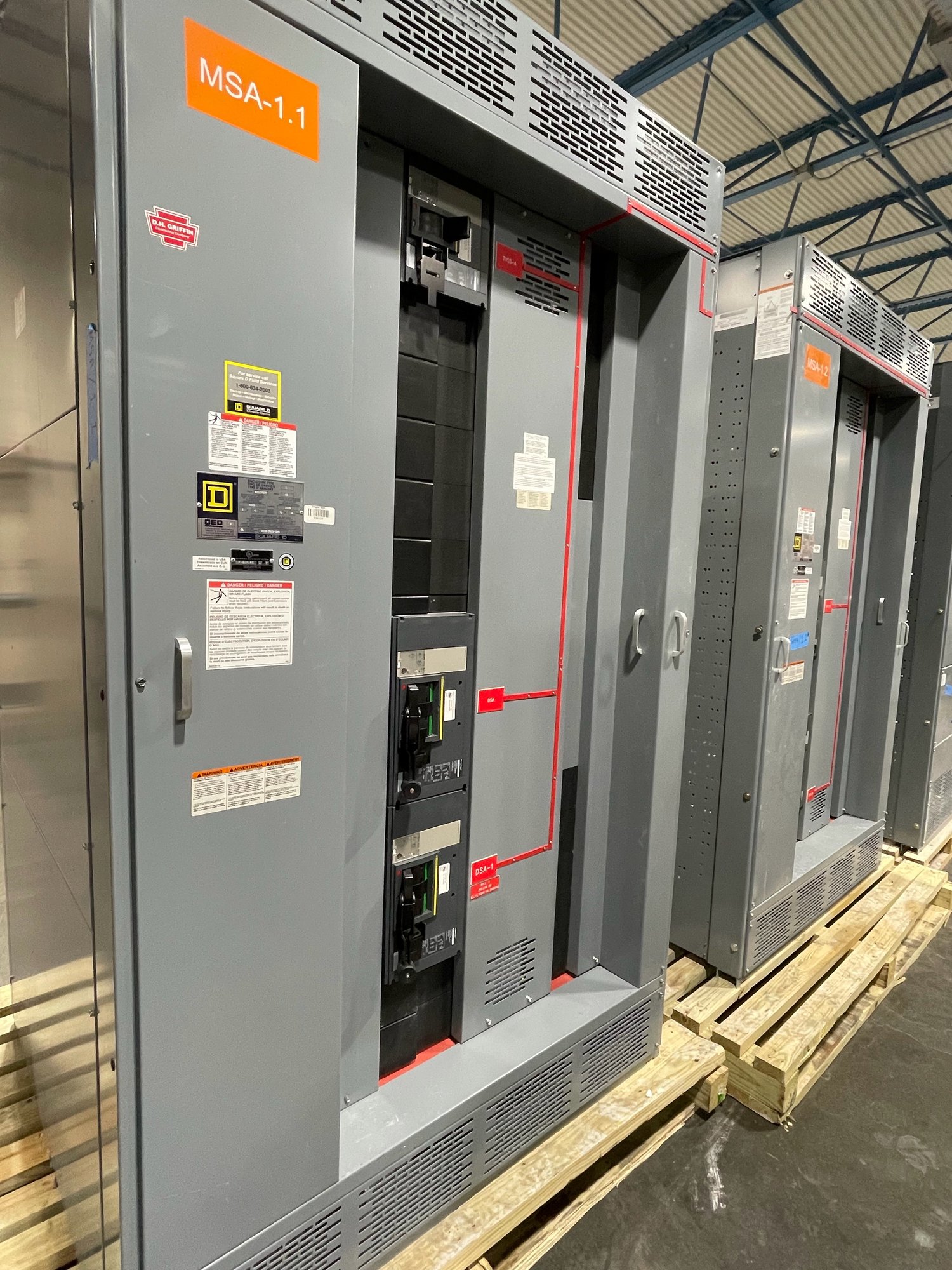
Confirm the intended equipment type and boundaries of supply. A UL 891 switchboard assembly may suit a low-voltage distribution application, while other portions of a facility may require different equipment. Provide the project’s system information, fault-current study or available fault-current data, and required equipment ratings for engineering review. UL 891 applies to switchboards; it does not establish a blanket listing for medium- or high-voltage switchgear.
Plan for continuity without assuming redundancy
Resilient operations start with specific consequences of an interruption. Identify feeders whose loss would stop a production line, affect environmental controls, interrupt critical communications, or create a difficult restart. Explain whether operators need to isolate a circuit while other areas remain energized, and describe planned maintenance or shutdown windows. These details help the project team assess switching arrangements and distribution boundaries against the facility’s operating needs.
Do not assume that a second source, tie breaker, automatic transfer function, or redundant bus is required—or available—without a documented design basis. If any such feature is under consideration, share the source arrangement, operating sequence, interlocking expectations, and control interfaces. The responsible engineer can evaluate the system and applicable requirements; final equipment ratings and configuration depend on that review and the authority having jurisdiction.
Resolve space, access, and interfaces
Industrial electrical rooms and outdoor installation areas can impose practical limits on equipment arrangement. Provide room dimensions, door and aisle clearances, access routes, environmental conditions, and any restrictions on lifting or movement into position. Note whether the project has existing switchgear or switchboards that the new equipment must connect to, and supply relevant drawings and interface information. These facts can affect sections, cable entry, termination access, and the division between new and existing work.
Coordinate utility, transformer, generator, and downstream distribution interfaces early. Clarify who supplies conductors, lugs, transition sections, control wiring, protection devices, and field modifications, where applicable. Identify drawing standards, required submittal documents, and review milestones. A complete interface list reduces the risk of mismatched assumptions between the equipment package, site electrical work, and other project scopes.
Build a quote around documented requirements
For a project quote, share the one-line diagram, equipment schedule, load and feeder data, system voltage, phase, available fault current, and specified ratings. Include the requested enclosure or installation environment, cable entry and termination preferences, metering or control requirements, and any project specifications. Flag open engineering questions instead of filling gaps with assumptions. We can use the supplied information to define the proposed scope and identify items that need confirmation before an order is finalized.
Procurement should also provide the project schedule, required submittal and approval dates, requested ship-to location, receiving constraints, and any sequencing needs for phased work. American-made components, custom-built configurations, and short lead times are priorities, but availability and timing depend on the specific equipment and order. Confirm scope, schedule, and delivery details with the manufacturer for each project rather than relying on a general estimate.
Coordinate delivery and project handoff
For Warner Robins projects, delivery planning should connect the equipment schedule to site readiness. Confirm the receiving address, access and unloading arrangements, receiving hours, storage conditions, and whether delivery must align with a construction or outage milestone. We ship nationwide, including to Georgia destinations; the shipping plan and timing are established for the specific order. Avoid scheduling installation around an unconfirmed arrival date.
Before equipment release, align the approved drawings, final feeder and interface information, and procurement scope among the engineer, contractor, facility team, and manufacturer. Keep a record of approved deviations and identify who will resolve remaining questions. Installation, inspection, and energization belong to qualified personnel working under the project’s engineering documents and applicable authority review; equipment submittals are not a substitute for site-specific design approval.
Prepare the next project step
A focused request gives the project team a practical starting point: send the current one-line diagram, feeder schedule, system data, equipment location details, interface list, and target milestones. Mark information that is preliminary and name the decisions still pending, such as future feeder capacity or switching sequence. This makes scope gaps visible before they become procurement or installation conflicts.
For your Warner Robins facility, gather those records and define which loads must remain available during planned work or an interruption. Then request a configuration and schedule review based on the actual site requirements. The equipment scope, ratings, availability, and delivery timing can be confirmed against that project information before purchase.