Start with the project conditions
A useful quote request begins with the application and project stage. Share whether the equipment is for new construction, a facility expansion, or replacement, and identify the building area or system it will serve. Include available one-line diagrams, electrical specifications, equipment schedules, and the applicable drawing revision. If documents are preliminary, label them clearly so the proposed scope does not appear more settled than it is.
For a Roswell site, note the project address or delivery area, required on-site date, receiving hours, and any restrictions on truck access or unloading. These details help distinguish the equipment delivery plan from installation work. Confirm who will receive the shipment and whether the site can accept the proposed shipment configuration. Delivery requirements and timing are reviewed for each order rather than assumed from the city alone.
Define the electrical scope before pricing
Identify the system voltage, phase, frequency, service or feeder role, and the intended arrangement of incoming, outgoing, and tie sections. Provide available fault-current information and the requested short-circuit rating, along with grounding details and any metering or protection requirements. Where information is unknown, say so; the project engineer can identify what must be established before the design and ratings are finalized.
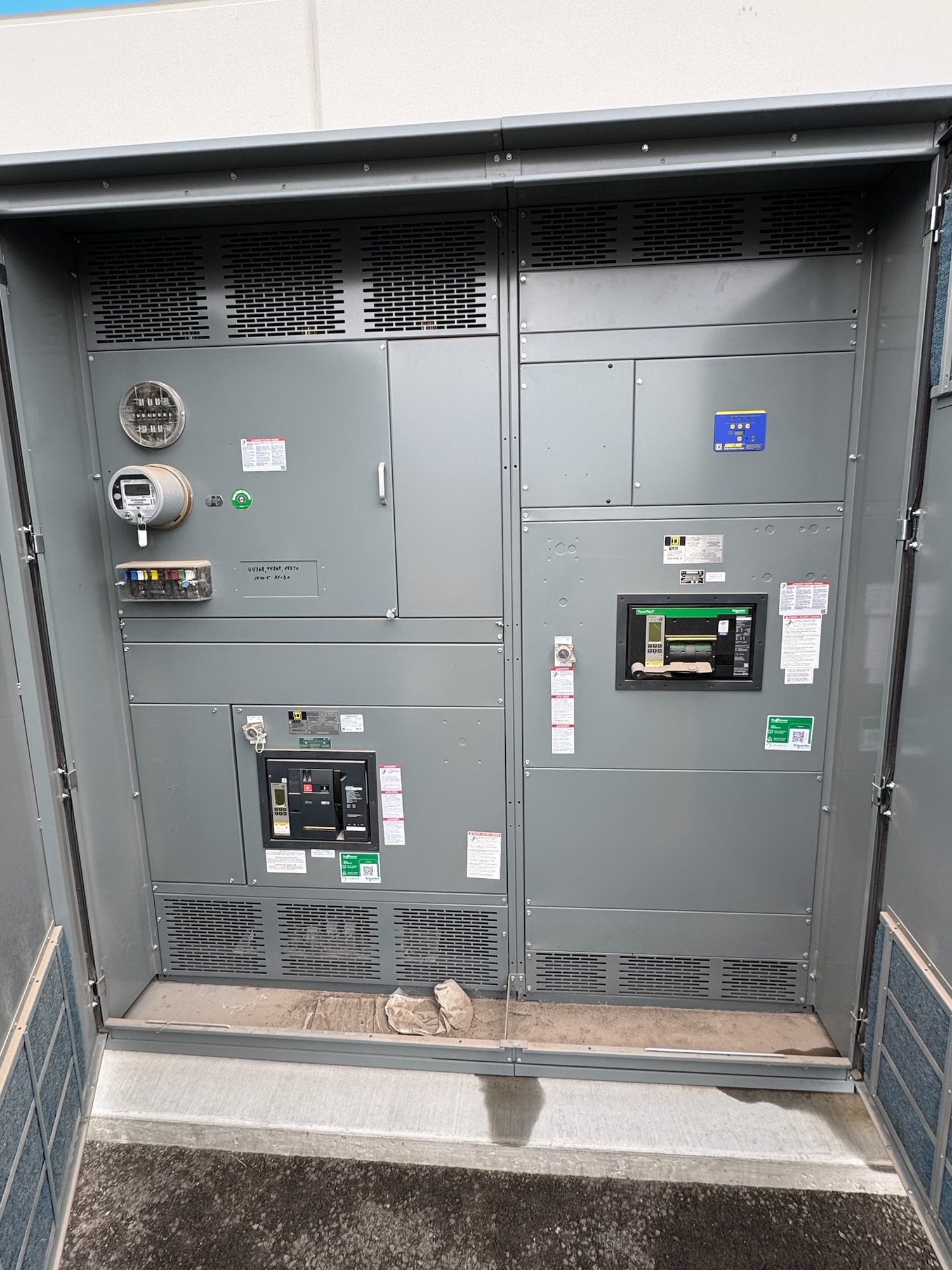
Clarify whether the request is for switchgear, a low-voltage switchboard, or another assembly, and describe the boundary of supply. List required breakers, bus arrangements, control power, instrumentation, communications, and accessory devices where known. UL 891 applies to switchboard assemblies; it does not serve as a blanket listing for medium- or high-voltage switchgear. Confirm the applicable product scope and approval requirements with the project engineer and authority having jurisdiction.
Resolve layout and interface decisions
Room conditions can shape a custom configuration. Share available equipment-room dimensions, ceiling height, working clearances established by the design team, door and corridor dimensions, and the route from the receiving point to the final location. Note floor or housekeeping-pad constraints, cable entry direction, and whether top or bottom access is planned. These facts help the team evaluate section arrangement and shipping splits without assuming the building can accommodate a standard lineup.
Coordinate electrical interfaces with the engineer of record and other trades. Identify upstream and downstream equipment, conductor entry and termination expectations, control wiring boundaries, and any required signals to building or process systems. If the project calls for unusual environmental conditions, restricted access, or specific maintenance practices, include those requirements early. Final design, ratings, clearances, and code compliance depend on engineering review and the authority having jurisdiction.
Make the quote request actionable
For a productive quote, provide the project name, delivery location, requested quantity, target schedule, and the best current specification package. State the required standards or project specifications, preferred component details if specified, and any approved-submittal or documentation requirements. Flag open items, alternates, and assumptions separately. This gives procurement and engineering a clear basis to identify exceptions instead of treating incomplete information as an agreed design.
Also identify the purchasing entity, project decision-makers, and the point at which technical questions should be resolved. If the request is tied to a bid deadline, state that date and distinguish it from the required delivery date. Exact scope, component availability, price, and schedule are confirmed for the specific order. Short lead times may be a project priority, but no schedule should be treated as committed until the configuration and order details are reviewed.
Coordinate Georgia delivery and project handoff
Delivery planning should match the site’s receiving capacity and construction sequence. Discuss shipment size and section splits, unloading responsibility, staging space, weather protection, and whether equipment can be moved promptly from the dock or laydown area. Confirm the receiving contact and any gate, appointment, or access procedures before shipment is arranged. Nationwide shipping can support delivery to Roswell, while the actual route, shipment configuration, and timing depend on the order and site conditions.
Before release, align the approved drawings and equipment schedule with the latest project documents. Confirm labeling, connection details, accessories, and the division of responsibility for field-installed conductors and controls. At handoff, provide the receiving team with the shipment documentation and identify any visible shipping concerns for prompt review. Installation, inspection, and energization should be handled by qualified personnel under the project’s approved procedures.
Prepare the next step
To begin, assemble the current one-line diagram, specifications, equipment schedule, site delivery constraints, and target dates. Add known electrical ratings and interfaces, mark unresolved design questions, and state whether the requested assembly is a switchboard or another switchgear type. A concise, coordinated package helps the manufacturer evaluate a custom configuration and identify information needed to firm up scope.
Roswell purchasers can submit those project details for review and request a quote for new equipment. Include the delivery area and receiving plan along with the technical documents, then keep the project engineer and procurement lead aligned as drawings and requirements develop. The next decision is to confirm the equipment scope and schedule against the reviewed project information before placing the order.