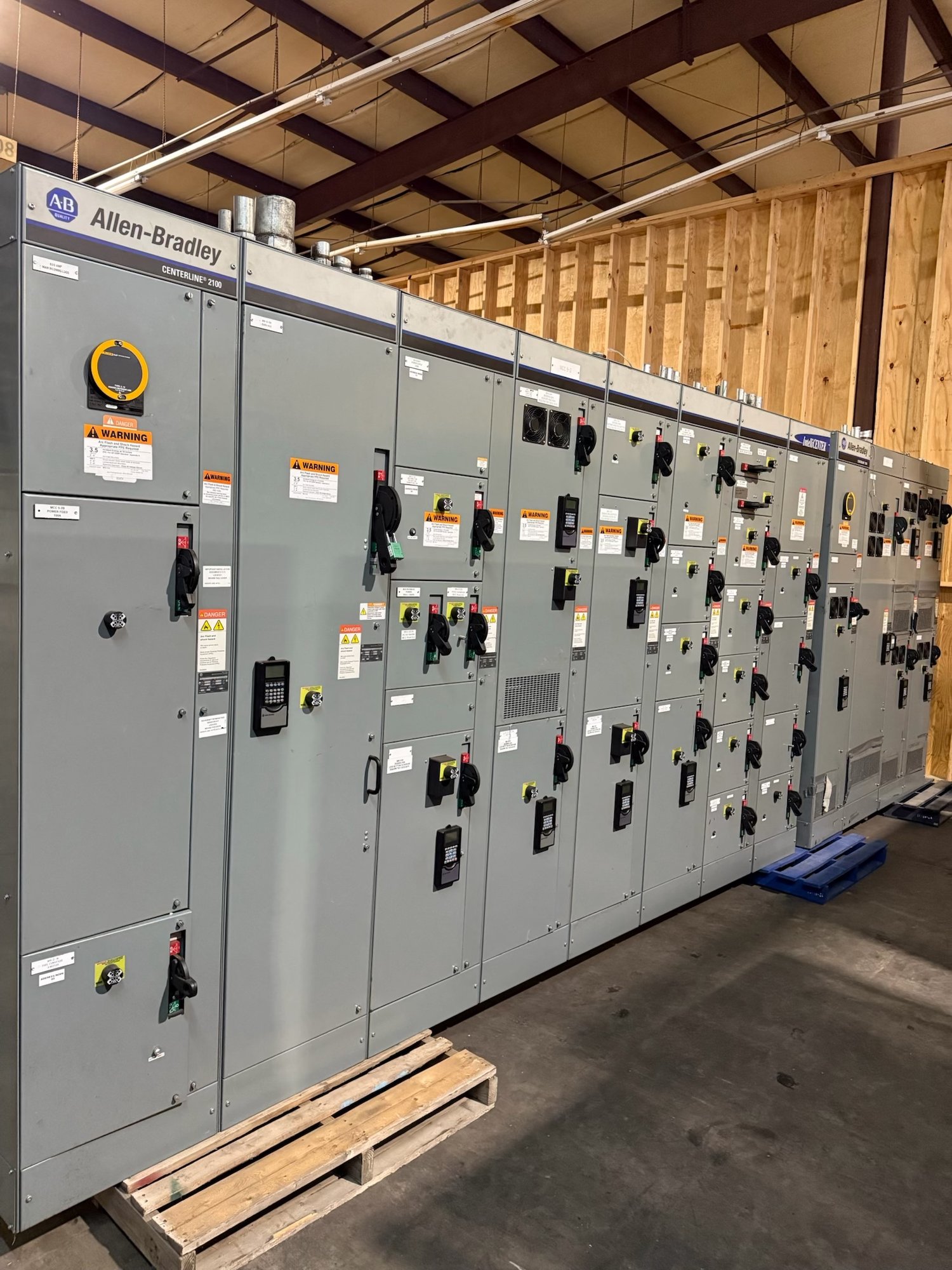
Start with the project conditions
Before requesting pricing, clarify what the equipment must serve and where it fits in the facility. Share the project location in Newnan, the application, whether the work is new construction or a replacement, and the expected installation window. If an existing lineup is involved, provide available nameplate data, drawings and photographs, while noting any details that still need field verification.
The electrical engineer’s documents guide equipment selection. Useful information may include system voltage, phase and frequency, available fault-current data, service or feeder arrangement, main and branch device requirements, metering, and the intended connection to upstream and downstream equipment. Do not infer ratings from a building address or a similar installation; the project engineer and serving utility, where applicable, should establish the design inputs.
Define the assembly and boundaries
For a low-voltage switchboard, identify whether the project calls for a UL 891 switchboard assembly and provide the applicable one-line diagram and specification. UL 891 applies to switchboards; it is not a general listing for medium- or high-voltage switchgear. If the scope involves another equipment class, state that clearly so the requested configuration and review match the actual application.
Describe lineup arrangement, incoming source, required outgoing circuits, protective-device types and sizes, control or metering features, and any specified compartment or termination requirements. Also identify what is outside the equipment scope, such as field cabling, building modifications or installation. Final construction depends on engineering review and the governing project requirements; no configuration should be assumed suitable before those details are checked.
Resolve design and procurement questions early
A focused quote request helps procurement compare the right scope. Include the latest specification, one-line diagram, applicable schedules, requested submittal requirements, and any approved alternates or exceptions. Note who will review drawings, who can approve deviations, and whether the equipment must coordinate with an existing lineup or other project-furnished components.
Ask about component origin, configuration options, documentation, current availability and the expected production and shipping sequence for the exact order. American-made components and custom-built configurations are available as project considerations, not assumptions about every component or standard package. Confirm the scope and schedule in the quotation and approved documents before placing an order; lead time can depend on the selected design and current component availability.
Plan delivery to the Newnan site
A delivery address in Newnan is only one part of the logistics plan. Share the site’s receiving hours, access restrictions, unloading arrangements, staging space and any limits on vehicle size or delivery timing. Explain whether the equipment is going to an active facility, a construction site or a contractor’s staging location, and identify the person responsible for coordinating receipt.
Consider the route from the receiving point to the final equipment location. Door clearances, corridors, turns, floor capacity, lifting access and the planned movement sequence can affect how a lineup is divided, shipped and handled. Provide known constraints early, then have the project team verify dimensions and handling requirements against the approved equipment drawings. Shipping to Georgia can be coordinated for the order, but delivery dates and arrangements must be confirmed for the actual shipment.
Coordinate submittals, changes and handoff
After scope review, use the approved submittal process to resolve questions about dimensions, connections, device schedules and interfaces before fabrication proceeds. Keep the electrical engineer, contractor, facilities representative and purchasing lead aligned on drawing revisions and approval responsibility. A late change to feeder counts, terminations or lineup space can affect both the equipment design and the delivery plan.
At handoff, the receiving team should compare delivered equipment and documents with the order and approved drawings, record any shipping concerns, and maintain the materials needed for installation and commissioning. Installation, inspection and energization belong to qualified personnel under the project’s engineering controls and applicable authority review. Confirm who will retain the final documents and coordinate any open scope questions before site work begins.
Prepare a useful quote request
For a quote, send the Newnan project location, requested quantity, application, one-line diagram, specifications, desired delivery window, and known receiving or access constraints. Include the required assembly type, voltage and system data from the design documents, device and metering schedules, enclosure or environmental requirements, and any drawing or documentation milestones. Mark unknowns rather than filling gaps with estimates.
State the decision date, approval path and whether the request is budgetary or for a defined purchase scope. Identify the project engineer and procurement contact, along with any interface questions that need resolution. This gives the manufacturer a practical basis to review configuration, clarify exclusions and confirm availability and timing. Gather the current drawings and site-delivery details first, then submit them together so the quote can address the Newnan project as specified.