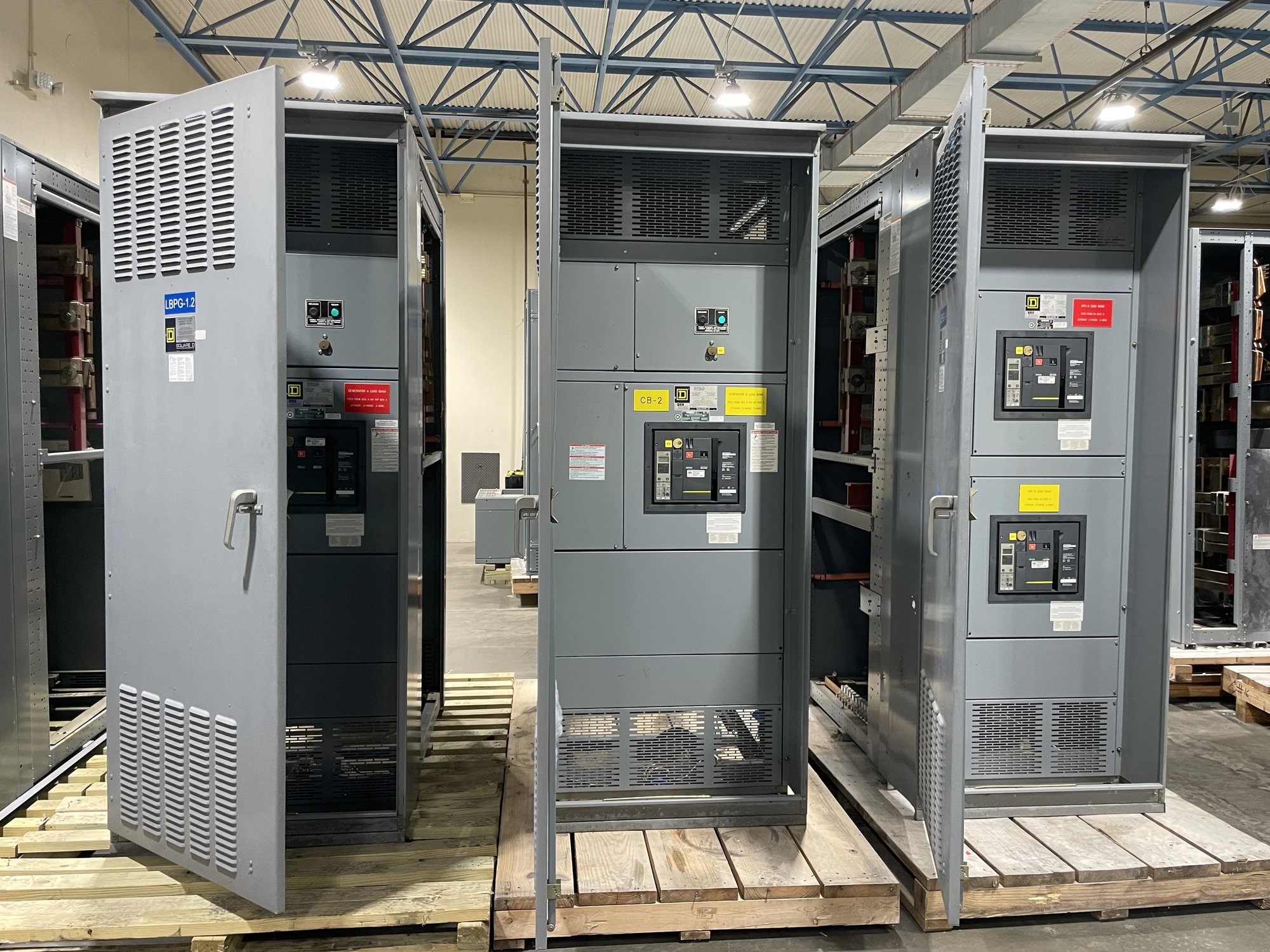
Start with the project boundary
Define what the new equipment must serve before selecting an assembly. Is the scope a service entrance, a distribution lineup, a replacement for existing gear, or part of a larger electrical package? Identify upstream and downstream equipment, the intended point of connection, and which components are included in the requested supply. A one-line diagram, equipment schedule, or preliminary specification can help clarify interfaces without assuming a design that has not been approved.
For an Atlanta project, distinguish the equipment supply scope from field work by others. Note whether the project includes removal of existing gear, feeder terminations, controls, commissioning, or installation; do not assume these tasks are part of a manufacturing order. Record the design stage and the engineer or authority responsible for reviewing the final configuration. Clear boundaries help purchasing compare proposals on equivalent scope and prevent late assumptions from reaching the order.
Resolve specifications before release
Provide system voltage, phase and frequency, available fault-current information, and the required continuous-current ratings when established by the project engineer. Describe the main and feeder arrangement, breaker or switch types, number of circuits, and any metering, control, or communications needs. Identify neutral and grounding provisions where applicable. These are inputs for engineering review, not a substitute for a coordinated study or approval of the final design.
If the requested assembly is a switchboard, state whether the project specification calls for UL 891 construction and identify the applicable drawings and submittal requirements. UL 891 applies to switchboards; it should not be treated as a blanket listing for medium- or high-voltage switchgear. Provide the specified equipment classification and applicable standards for any other equipment. The exact scope, component availability, and schedule are confirmed for each order, and ratings or compliance should not be presumed from a preliminary description.
Coordinate engineering and procurement
Purchasing teams can reduce avoidable revisions by collecting the current one-line, load or feeder schedule, project specification, and known exceptions before requesting a quote. Include the preferred manufacturer or component requirements only when they are part of the approved project basis. Identify alternates that the engineer may consider, and distinguish mandatory requirements from preferences. If drawings are not final, mark their status and list open decisions that could affect dimensions, connections, or circuit count.
Confirm who will review shop drawings and how submittal comments will be returned. Ask the project team to identify required document formats, labeling conventions, and any coordination milestones tied to procurement. A change in breaker arrangement, cable entry, or metering after approval can affect the build scope and delivery plan. Record revisions with dates and keep the engineer, contractor, and purchasing contact aligned on which documents govern the order.
Plan for Atlanta site delivery
Delivery planning begins with the receiving point, not just the project address. Share the site location, requested delivery window, receiving hours, unloading capability, and any appointment or access rules. Tell us about restricted truck routes, construction gates, loading docks, floor access, or limits on staging space. These details help evaluate how the shipment should be coordinated; the carrier arrangement and timing depend on the order and are confirmed during planning.
Check the route from the receiving area to the electrical room before equipment dimensions and shipping sections are finalized. Door clearances, turns, elevator limits, floor loading, overhead obstructions, and available rigging space may constrain movement. Establish who will receive and inspect the shipment and where it can be protected until installation. For phased work or an outage-driven replacement, explain the sequence and site readiness assumptions so delivery timing can be considered against the broader schedule, without treating a target date as guaranteed.
Submit a quote request with usable detail
A useful request identifies the project name or reference, Atlanta-area delivery location, equipment type, quantity, desired schedule, and decision status. Attach the latest available drawings and specification, then list voltage, ratings, lineup arrangement, incoming and outgoing connections, and special control or metering requirements. Flag missing information rather than filling gaps with guesses. If the project has a required submittal date, release date, or delivery milestone, include each date and its basis.
Also state the requested commercial scope, including whether freight should be considered, who receives the equipment, and any known packaging or delivery constraints. Note substitutions, exceptions, or documentation requirements that could affect review. We manufacture and supply new equipment using American-made components where specified and available; component selection, configuration, and timing are confirmed for the individual order. A complete intake lets the team identify open technical questions and prepare a quote around the stated project needs.
Carry the order through handoff
Before release, align the approved drawings, equipment schedule, commercial scope, and delivery assumptions. Confirm the ship-to details, site contact role, receiving arrangements, and the process for reporting transit or receiving issues. The purchasing manager should circulate the approved configuration to the contractor and project engineer so field planning reflects the same equipment arrangement. Any change after approval should be documented and reviewed for its effect on scope and schedule.
To begin, assemble the current one-line or specification, list unresolved design decisions, and provide the Atlanta site’s receiving and access requirements with the quote request. Identify the person responsible for technical review and the person coordinating procurement and delivery. This gives the manufacturer a practical basis to assess the requested new switchgear configuration, ask focused follow-up questions, and coordinate the next project handoff.