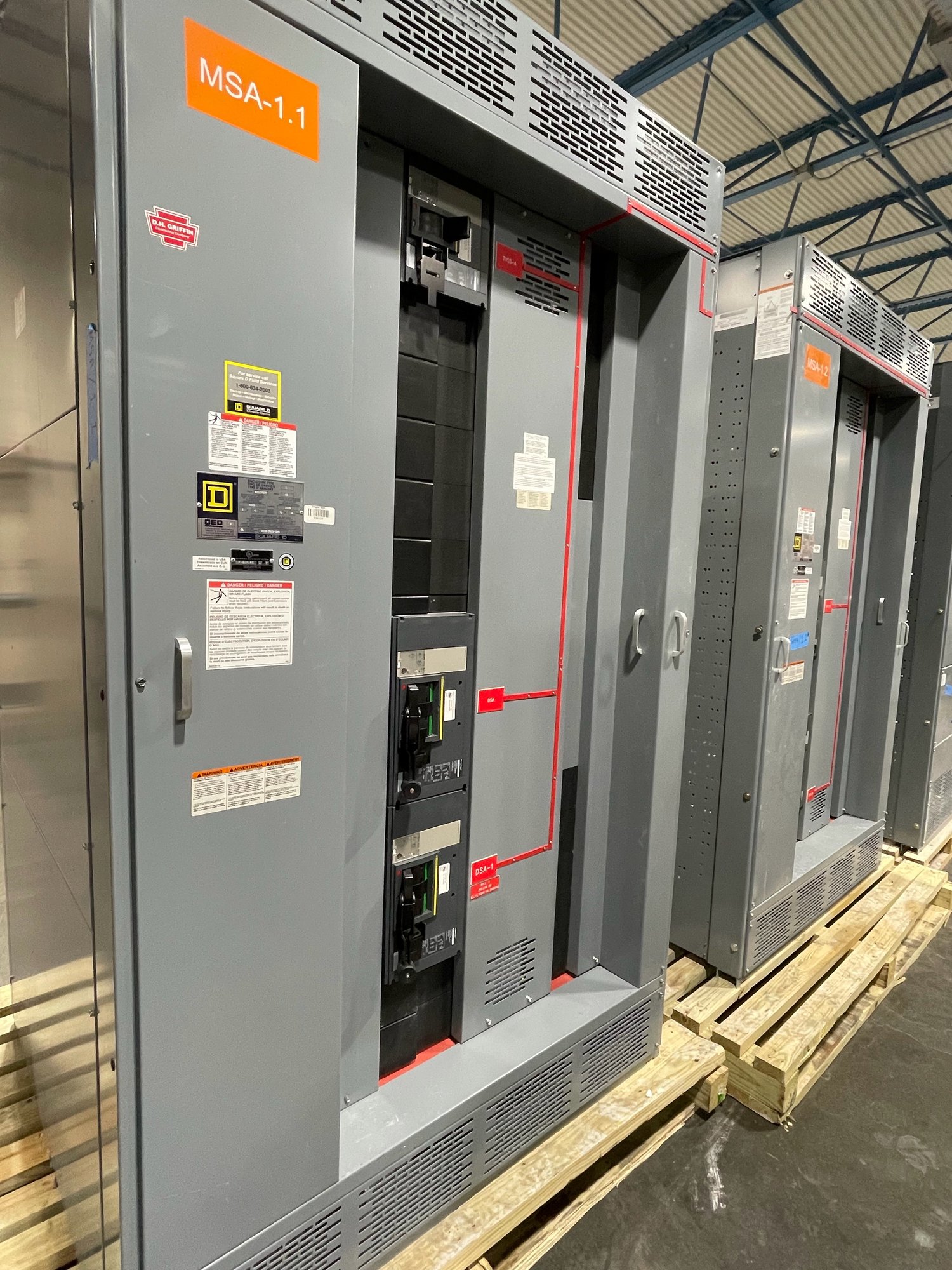
Define the equipment and project boundary
Start by describing what you need quoted: a UL 891 switchboard assembly, another type of switchgear, or equipment associated with a larger electrical distribution project. Identify whether the request covers a new assembly only or includes related sections, metering, protective devices, enclosures or other specified components. Distinguish required scope from alternates so the quote can address the intended package rather than assume what belongs in it.
State the project phase and intended use, such as a new installation, facility expansion or replacement as part of a planned upgrade. Include the project name or internal reference if useful, the owner or end user, and the roles of the engineer, electrical contractor and purchasing contact. Clarify who will answer technical questions and who will review commercial terms; a clear decision path helps keep the quote aligned as requirements develop.
Send drawings and reference documents
Attach the latest available one-line diagram and identify its revision date. Include switchboard elevations, schedules, equipment specifications, panel or feeder schedules, and relevant plan details when available. Mark documents as preliminary, issued for bid, or approved for construction according to their actual status. If drawings conflict, point out the discrepancy rather than choosing one detail without explanation.
For an existing facility, provide only documentation relevant to the proposed new equipment, such as interface dimensions, cable entry direction, available room dimensions, or photographs taken from an appropriate safe distance. Note which conditions are verified and which remain field assumptions. The review can then identify missing information and coordination questions without treating an old drawing or an unverified measurement as a confirmed design requirement.
Describe electrical requirements
Share the system voltage, phase and frequency, source arrangement, and the intended equipment function as shown in the project documents. Provide available fault-current information and the basis or source for it, along with specified short-circuit and withstand requirements where the engineer has established them. Identify main and feeder devices, required continuous-current values, poles, trip functions, metering, control power and any specified accessories. If a value is undecided, label it pending rather than presenting an estimate as final.
Explain the distribution arrangement and interfaces that affect the assembly: incoming and outgoing conductor locations, top or bottom entry, cable or bus connections, neutral and grounding provisions, and connections to transformers, generators, transfer equipment or other systems where applicable. Include required enclosure type or environmental conditions only when specified. UL 891 applies to switchboard assemblies; it should not be treated as a blanket certification for medium- or high-voltage equipment. The exact equipment scope and applicable requirements need review.
Flag installation constraints and open decisions
Report known space and access limits, including room dimensions, working-area constraints identified by the project team, door or corridor restrictions, lifting access, and limits on shipping or handling. Note whether the assembly must match an existing footprint or connect to equipment that will remain in service. Provide site conditions that can affect enclosure selection or layout, while leaving design and code determinations to the responsible engineer and the authority having jurisdiction.
List unresolved selections that could change cost, layout or procurement, such as manufacturer-specific device requirements, metering preferences, control features, finish, spare capacity or future provisions. Separate mandatory requirements from preferences, and state who will approve substitutions or alternates. This makes tradeoffs visible during quote review and reduces the risk that a preference is mistaken for a firm technical requirement.
Share Georgia delivery and schedule details
Give the delivery address or project city and ZIP code in Georgia, the site contact role, and any receiving restrictions that procurement should account for. Explain whether the destination is a jobsite, facility or designated receiving point, and note appointment rules, limited receiving hours, unloading arrangements or restricted truck access if known. Nationwide shipping is available, but route, handling, availability and delivery arrangements are confirmed for each order; do not assume a site can receive a particular shipment configuration.
Provide the requested ship date or required-on-site date, the event driving it, and any intermediate milestones such as submittal review, release for production or planned installation. Identify schedule dependencies, including pending engineering approval, utility information, site measurements or owner decisions. A target date is useful planning input, not a guaranteed lead time. The quoted schedule can be assessed against the defined scope and confirmed as details are resolved.
Prepare a clear quote handoff
Before submitting the request, make sure document revisions agree, identify the preferred contact for technical clarifications, and summarize what remains open. Include any requested quotation format, bid deadline, purchasing terms or alternates to evaluate. For a phased project, indicate which equipment is in the current request and which items belong to later phases, so the scope and schedule are not inadvertently combined.
Send the drawings, electrical requirements, Georgia delivery information and schedule together as one organized package, with a short note identifying the requested equipment and unresolved items. The manufacturer can review the stated scope, confirm what information is needed, and develop a quote based on the requirements and availability confirmed for that order. Have the project engineer verify technical decisions and return revisions promptly to keep the handoff moving.