Define the test scope before release
“Routine production tests” can refer to inspections and checks performed on an individual assembly during or after manufacturing. They are distinct from design qualification tests, which demonstrate a design under specified conditions, and from field commissioning after installation. A production test record should identify the assembly and explain which checks were performed, with results where applicable.
Start with the project specification, one-line diagram, equipment schedule and applicable purchase requirements. Clarify whether the order calls for specific procedures, witness or hold points, documentation formats, or customer review before shipment. The exact scope must be matched to the equipment and agreed requirements; a standard set of checks should not be taken as proof that every project-specific requirement is included.
Visual and mechanical inspection
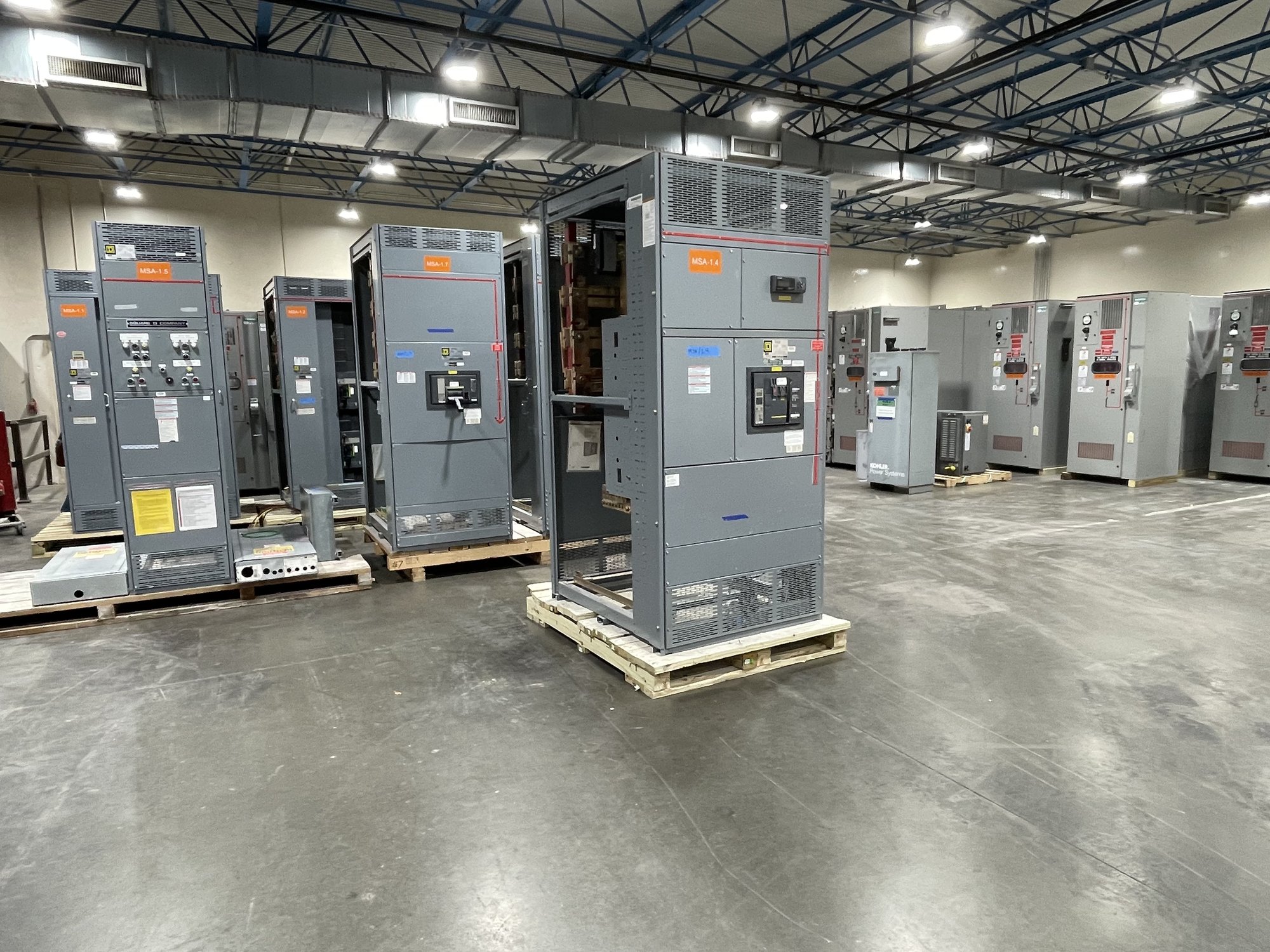
A production inspection may verify assembly details such as enclosure and compartment arrangement, barriers, labels, nameplates, wiring identification, and the presence and condition of specified components. Review should compare the built assembly with approved drawings and the order scope. These checks help identify discrepancies before the equipment is packed, when corrections and document updates can be coordinated at the manufacturing stage.
Mechanical checks may examine the operation of doors, covers, drawout mechanisms where specified, and interlocks included in the design. The relevant operations depend on the switchgear configuration and component instructions. Share any project-specific access, keying, interlock, or operating sequence requirements early; an inspection cannot verify an intended function that was not defined in the approved design.
Electrical checks and their limits
Depending on the assembly and requirements, production procedures can include checks of control wiring and point-to-point connections, continuity, grounding connections, and operation of control circuits. These checks help confirm that specified connections and functions are present and behave as intended under the test conditions. The test method, acceptance criteria and recorded results should be tied to the approved documents and applicable component instructions.
Insulation-related or other electrical tests may be appropriate for some equipment, but their applicability, test values and setup are not universal. Connected devices, electronic components and the assembly design can affect the permitted method. Do not infer a particular voltage, duration or acceptance limit from a generic description. Agree the procedure with the manufacturer’s engineering team and relevant project requirements before testing.
Switchboard standards and documentation
For UL 891 switchboard assemblies, identify the required assembly scope and documentation in the procurement specification. UL 891 applies to switchboards; it is not a blanket listing for medium- or high-voltage switchgear. Equipment type and certification requirements must be stated and confirmed for the specific order, rather than inferred from the presence of a production test report.
Ask what records will accompany the shipment: for example, an inspection checklist, test results, approved drawings, component information, or a record of open items and approved deviations. Confirm whether the project needs signed records, defined naming conventions, or document review before release. Clear expectations help the receiving and commissioning teams understand what factory checks do—and do not—establish.
Specify witness and project constraints
A customer witness test or inspection is not automatically part of routine production testing. If the contract requires one, define the scope, notice and review process, acceptance criteria, and whether shipment depends on witness approval. Coordinate these requirements with the manufacturing schedule. A late request can affect sequencing, particularly if the test needs special equipment, access, or engineering review.
For a quotation, provide the equipment type, system voltage and configuration, one-line diagram, control schematics if available, applicable specifications, required standards, and desired test records. Also state any witness points, project acceptance procedures, delivery destination in Georgia, and required delivery window. Availability, test scope and schedule are confirmed for each order; shipping plans should account for site access and receiving constraints.
Carry verified information into handoff
Before shipment, align the final test records with the approved equipment configuration and drawing revision. Resolve documented discrepancies through the project’s review process, and make sure the receiving team can identify the assembly and its records. Factory checks are not a substitute for installation, field inspection, or commissioning by qualified personnel under applicable project procedures and authority review.
To prepare a useful request, send the current drawings and specification together with a clear list of required production checks, records and witness points. Ask which items can be verified on the completed assembly and how results will be documented. This gives engineering, procurement and the Georgia delivery team a defined basis for evaluating scope, schedule and handoff before the order is released.