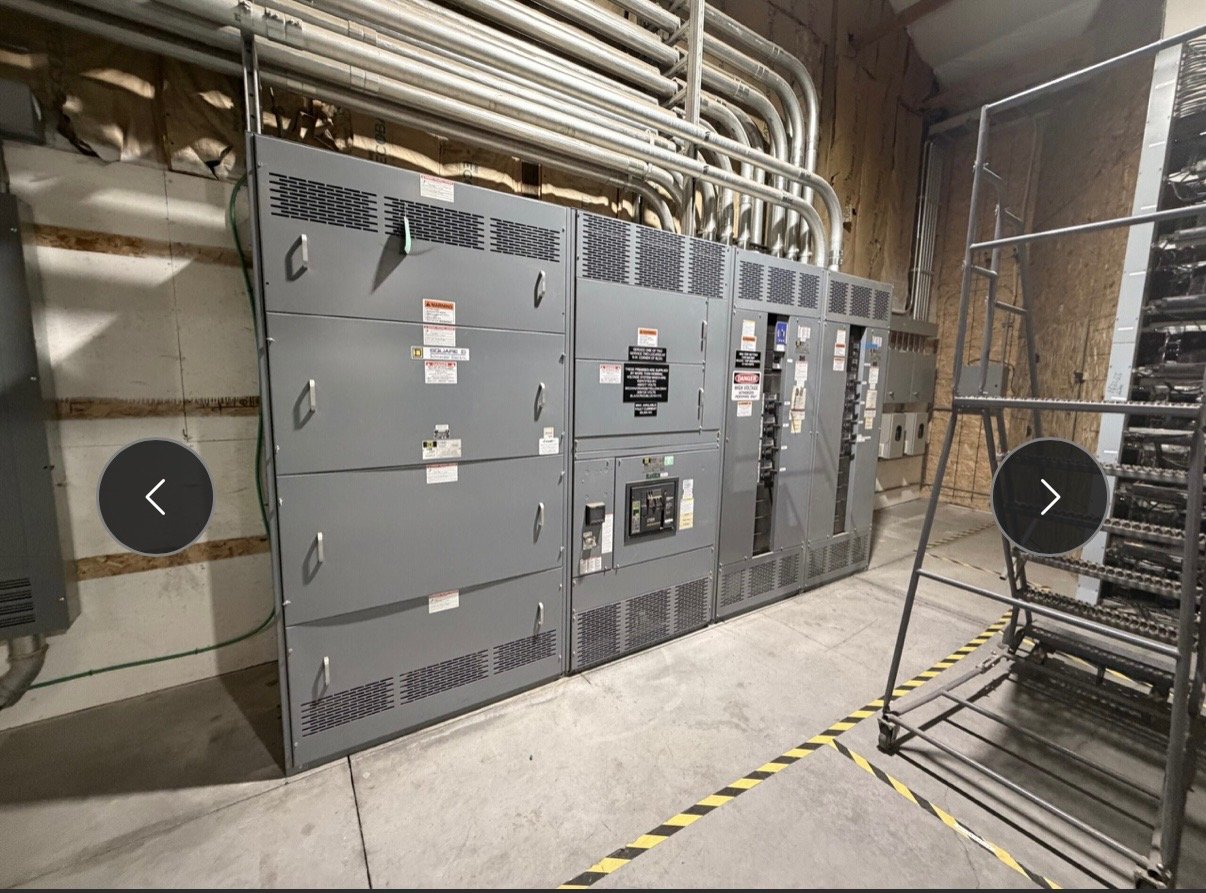
Decide shipping splits early
A switchboard or switchgear lineup may ship as one assembly or in multiple sections, depending on its configuration, dimensions, weight, and handling constraints. Split decisions affect truck loading, unloading sequence, temporary storage, movement through the building, and field reassembly. Ask during specification and quotation whether the proposed assembly can ship in the available sections and what connections or installation work will be required at the site.
Coordinate the intended shipping arrangement with the electrical design and installation plan. Confirm the equipment lineup, section sequence, access route, and final placement before approving a split plan. Changes to room dimensions, door openings, construction sequencing, or available lifting equipment can affect what is practical. The confirmed order documents should identify the agreed shipment configuration; do not assume every lineup can be divided at any desired point.
Use weights and dimensions for planning
Rigging teams need more than an overall lineup weight. Section-by-section weights and dimensions help them evaluate transport, lifting capacity, floor loading, turning clearance, and the equipment needed to move each piece. Request the available shipping weights and dimensions for the specific configuration being quoted, and provide them to the project’s qualified rigging and structural professionals for review.
Clarify whether stated weights apply to an individual shipping section, a complete lineup, or a particular shipping condition. Accessories, packaging, and configuration changes may affect handling information. A preliminary estimate can support early planning, but it should not replace order-specific documentation. The rigging contractor and project engineer should determine whether the planned lift and travel path are suitable for the actual shipment.
Confirm lift points and handling method
Lift points are specific to the equipment and shipping configuration. Before rigging, the team should have the applicable manufacturer handling instructions and understand which lifting provisions are intended for use. Do not select attachment points by appearance, lift from an unapproved location, or infer a method from another lineup. The qualified rigging team is responsible for planning and executing the lift using suitable equipment and procedures.
Ask what lift-point information will be provided for the ordered sections and when it will be available to the site team. Share constraints such as overhead obstructions, crane reach, forklift capacity, interior transitions, and whether a section must be moved upright or through a restricted opening. Resolve questions with the responsible equipment and rigging professionals before unloading; do not improvise if the delivered configuration or site conditions differ from the plan.
Check the route from truck to room
A delivery plan should trace the full route, not stop at the receiving dock. In Georgia, site conditions may include active construction, limited staging, restricted delivery windows, paved or unpaved approaches, gates, loading-dock limits, and travel through occupied facilities. Verify turning space, clear opening dimensions, floor transitions, overhead clearance, and the location of the electrical room. Note temporary obstructions that could change before delivery.
Identify who will confirm site readiness and who can authorize access on delivery day. Provide the planned truck approach, unloading area, staging location, and intended path to the final equipment position. If the route depends on a crane, elevator, temporary ramp, or building opening, coordinate its availability and capacity with the responsible project team. Delivery arrangements depend on the site and order; confirm the applicable shipment and timing details for each project.
Coordinate procurement and the handoff
A useful request for quotation includes the project location in Georgia, required equipment configuration, target delivery window, preferred shipping splits, site access limits, unloading responsibility, and the rigging team’s handling requirements. Include available drawings or room and route dimensions, plus any known crane, dock, elevator, or staging constraints. These details help evaluate shipping and handling needs alongside the electrical scope without presuming that a particular arrangement is feasible.
Before release, align purchasing, the electrical contractor, site logistics, and the qualified rigging provider on document owners and decision dates. Establish how final weights, dimensions, lift information, shipment sequence, and delivery instructions will reach the people planning the move. Confirm who will receive the shipment, inspect it, and report discrepancies. Exact configuration, availability, and schedule are confirmed for each order.
Prepare the Georgia delivery plan
For a Georgia project, provide the destination, site contact role, delivery access requirements, and any local restrictions that could affect truck arrival or unloading. Nationwide shipping can support projects across the state, but the route, carrier arrangements, shipment configuration, and schedule must be confirmed for the specific order. Avoid setting a rigging date around an unconfirmed delivery assumption; coordinate the expected sequence with the project schedule and site readiness.
Before requesting a quote, gather the equipment lineup, preferred shipping splits, receiving and room dimensions, known weights or lifting constraints, truck access details, and the name of the qualified rigging provider if selected. Ask which order-specific handling documents will be supplied and what site information is still needed. This early handoff gives engineering, procurement, and rigging teams a practical basis for planning the move from shipment to final placement.