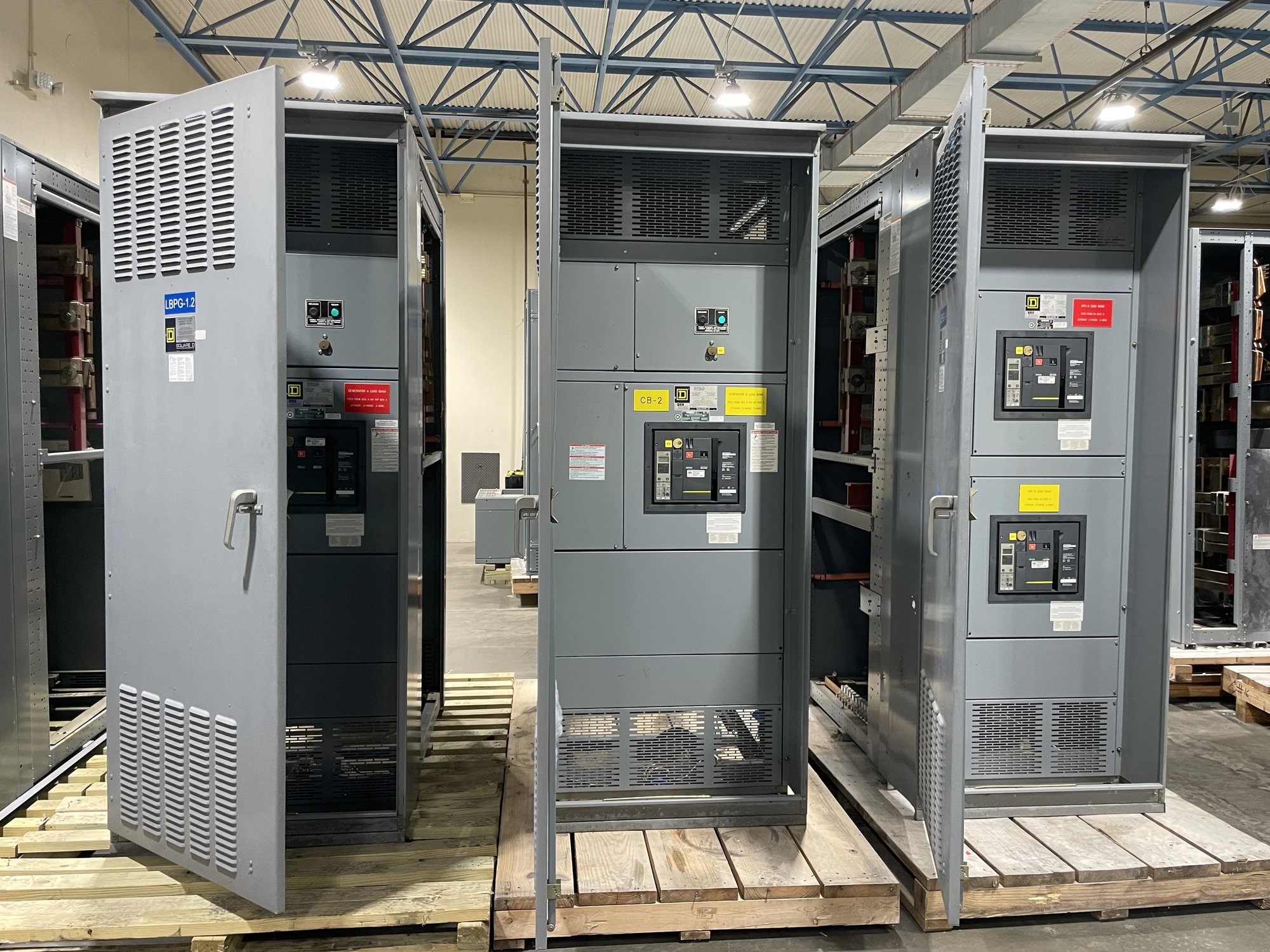
Start with the shipment scope
Ask what equipment will ship and how it will be packaged: switchboard sections, enclosures, accessories, documentation and any separate items should be identified. A lineup’s dimensions and weight affect transport, unloading and staging. Confirm the expected shipping configuration with the manufacturer; do not assume the equipment will arrive assembled, divided into sections or ready to move directly into position.
For a quote, provide the project location, requested equipment scope, destination contact, target delivery window and any known receiving restrictions. Include the site’s current construction phase and whether equipment must arrive in one shipment or coordinated installments. These details help the manufacturer evaluate the requested arrangement and identify questions that could affect freight planning, cost or schedule.
Check the route and site access
A delivery address alone does not establish that a truck can reach the equipment’s final receiving point. Check road approach, gate dimensions, turning space, overhead obstructions, surface conditions and access hours. Confirm whether the route includes a security checkpoint, restricted campus entrance, construction detour or other access procedure, and share instructions early enough to plan around them.
The site team should also establish where the carrier can stop and where the equipment will be received or staged. A loading dock, laydown area and electrical room are different destinations with different access needs. If the planned route from unloading point to staging area includes narrow corridors, stairs, elevators or changes in floor level, coordinate the move with the qualified rigging and installation teams.
Define unloading responsibilities
Clarify who provides unloading equipment, qualified operators, rigging, labor and any required permits or traffic control. Do not assume a carrier will unload or move equipment beyond the agreed delivery point. Confirm whether a liftgate, dock, forklift, crane or other handling arrangement is available and suitable for the shipment’s dimensions, weight and packaging; the actual equipment requirements must be confirmed for the order.
Ask what delivery service is included in the freight arrangement and what conditions apply. A scheduled delivery, appointment, limited-access service or delivery to a specific point may involve different arrangements. Establish who will receive carrier updates, who can authorize changes and what to do if the site cannot accept the shipment as scheduled. Keep the shipping terms and responsibilities in the purchase documentation.
Align delivery with project readiness
Work backward from the date the electrical room and receiving area can accept the equipment. Coordinate the requested ship and arrival window with construction access, floor readiness, storage capacity and installation sequencing. Equipment arriving too early may need secure, appropriate storage; equipment arriving before access is available may require rescheduling. Confirm the order’s expected timeline directly, since scope, component availability and shipping arrangements vary by project.
For Georgia projects, delivery within the state may support a shorter route than a shipment to a distant site, but the destination and site conditions still govern the plan. Georgia-based procurement teams coordinating a project elsewhere should share the final delivery address and local receiving contact, not rely on the purchasing office as the destination. Nationwide shipping arrangements are confirmed for each order, including the route and requested delivery window.
Verify details before dispatch
Before shipment, compare the shipping documents and delivery plan with the purchase order and project records. Check the consignee name, site address, receiving contact, appointment instructions and any reference numbers needed at the gate. Confirm the number of packages or sections expected and how the carrier will communicate estimated arrival. Resolve address changes, access restrictions and receiving-hour conflicts before dispatch rather than leaving them to the driver.
Prepare a handoff plan for the person accepting delivery. Identify who will inspect packaging, record visible damage or shortages, note exceptions on delivery paperwork and notify the appropriate project and supplier contacts. Follow the applicable shipping and purchase terms for concealed damage or discrepancies. Keep equipment handling and storage under qualified personnel, and follow the manufacturer’s instructions for protection and care.
Make the quote request actionable
Send the manufacturer the equipment scope, project address, preferred delivery window, receiving hours, site-access constraints, unloading plan and any known storage or staging needs. Include the project phase, delivery sequence, site contact and special appointment requirements. If details are not yet settled, identify what remains unknown and when the project expects to confirm it. This gives procurement and engineering a practical basis to review the request without assuming a design or site condition.
Before authorizing the order, ask which delivery services are included, what information remains outstanding and how schedule changes should be communicated. Confirm exact scope, availability, freight arrangement and timeline for that order. Assign one project representative to verify the receiving plan with the site team and carrier before dispatch; that clear handoff is the most useful final step in planning a nationwide switchgear delivery.