Start with the distribution need
A useful equipment plan begins with the job the assembly must perform, not a catalog label. Identify the building or process served, the source feeding the equipment, the loads downstream, and whether the project calls for a switchboard, switchgear, or another distribution assembly. The right category depends on system design and application; voltage class, service conditions, and required functions should be established by the project’s qualified electrical professionals.
Gather the available one-line diagram, load information, site electrical standards, and relevant drawings before comparing options. Note whether the work is new construction, a replacement, or an expansion, and identify interfaces with transformers, generators, transfer equipment, or existing distribution. These details help reveal constraints early without assuming that a standard arrangement will fit the installation.
Turn engineering requirements into a clear scope
A quote request should distinguish required characteristics from preferences. Share system voltage and phase, bus requirements, main and feeder arrangement, protective-device requirements, metering needs, enclosure conditions, and any specified fault-duty or environmental criteria. Include the source of each requirement when possible, such as an approved drawing, project specification, or utility direction. Do not infer ratings from an old nameplate or nearby equipment when the design basis is uncertain.
For UL 891 switchboard assemblies, identify that standard explicitly in the project documents and confirm which assembly scope is intended. UL 891 applies to switchboards; it is not a blanket listing for medium- or high-voltage switchgear. Applicable standards, equipment classifications, ratings, and approval requirements must be determined for the particular design and reviewed by the responsible engineer and relevant authorities.
Make procurement comparisons meaningful
Comparing proposals is most useful when each supplier is responding to the same technical basis. Ask which requested features are included, which remain unresolved, and what assumptions affect the configuration. Review the proposed lineup, device types, metering and control provisions, cable entry and termination needs, and any exclusions alongside price and schedule. A low-cost comparison that overlooks a required interface or site constraint can create redesign and coordination work later.
For new equipment, clarify the manufacturing scope, component sourcing expectations, drawing and submittal requirements, and the process for approving deviations. American-made components and custom-built configurations may be part of the request, but availability and exact scope need confirmation for each order. Likewise, lead time depends on the final design, component availability, approvals, and order conditions; establish the current schedule rather than relying on a general estimate.
Prepare a quote request that can be evaluated
Provide the project location in Georgia, requested quantity, target dates, and the delivery point or site receiving constraints. Include the current one-line diagram and specification, equipment dimensions or space limits if known, and the required document list. State whether the quote should include a custom configuration, UL 891 switchboard assembly, or particular American-made components. Flag open engineering questions instead of treating an unconfirmed assumption as a firm requirement.
Useful questions for the manufacturer include: What information is still needed to define the lineup? Which requested ratings or devices require confirmation? What drawings will be available for review, and when must approvals be returned to protect the project schedule? What packaging, unloading, access, or delivery coordination should the site plan for? These answers help purchasing and engineering teams compare scope on an equal basis.
Coordinate design, approvals, and delivery
Equipment submittals are a project handoff, not a substitute for design review. Assign responsibility for checking the proposed arrangement against the approved one-line, conductor routing, room layout, clearances, utility interfaces, and applicable project requirements. Route drawings to the engineer of record and other designated reviewers, document comments, and resolve changes before authorizing production. The final design and acceptance remain subject to professional engineering and authority review.
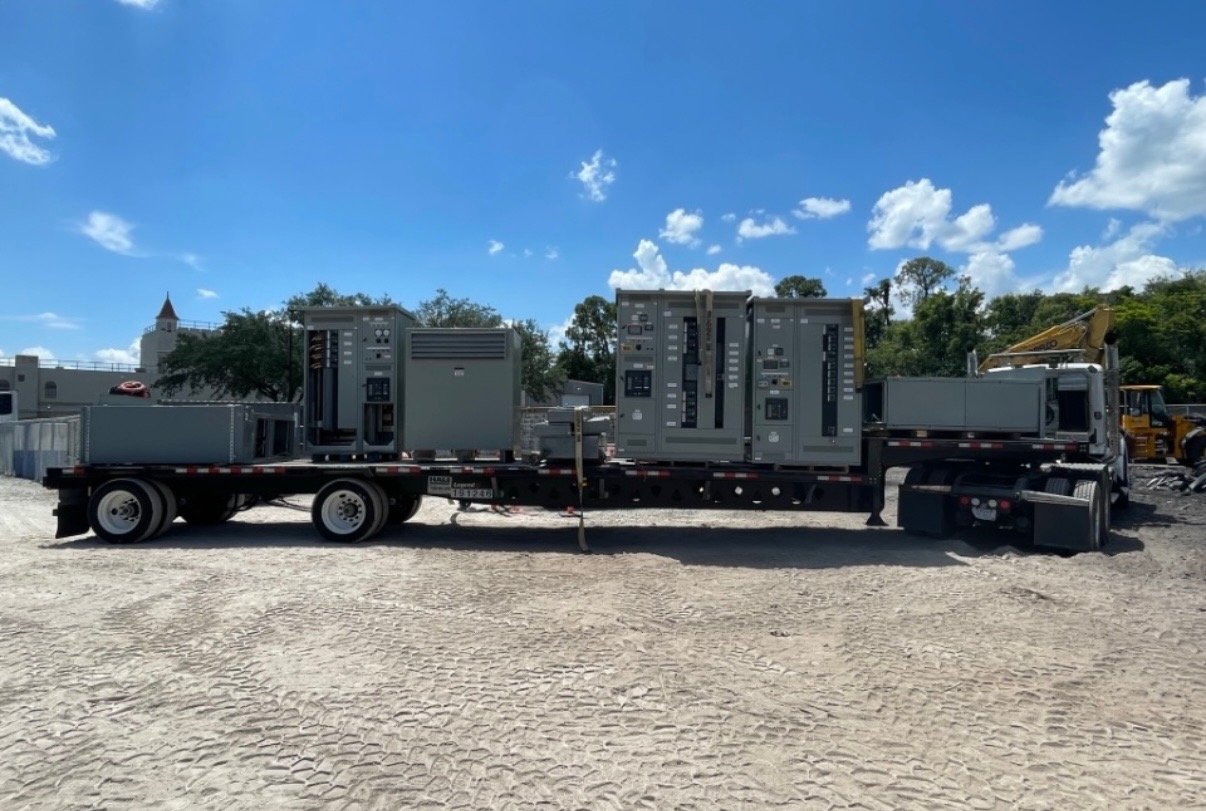
Georgia delivery planning should connect the equipment schedule to site readiness. Confirm the receiving address, access route, delivery hours, unloading method, staging area, and who can accept the shipment. Coordinate these details with the construction schedule and site team; nationwide shipping capability does not establish a delivery date or guarantee site access. Exact availability, scope, and timeline are confirmed for each order.
Use the resource center to move the project forward
Treat each guide as a planning aid for a specific decision: defining equipment, checking a specification, preparing procurement documents, or organizing the handoff. Keep one current set of project requirements and mark revisions clearly so engineering, purchasing, the manufacturer, and the receiving team work from the same basis. When requirements conflict, identify the governing project document and obtain direction from the responsible professional.
For the next step, assemble the one-line diagram, equipment specification, project location, quantity, target schedule, and a list of unresolved requirements. Ask for a quote that identifies its assumptions, exclusions, proposed configuration, and approval milestones. This focused package gives the manufacturer a clearer basis to assess new equipment for the Georgia project and gives your team a practical path from specification review to coordinated delivery.