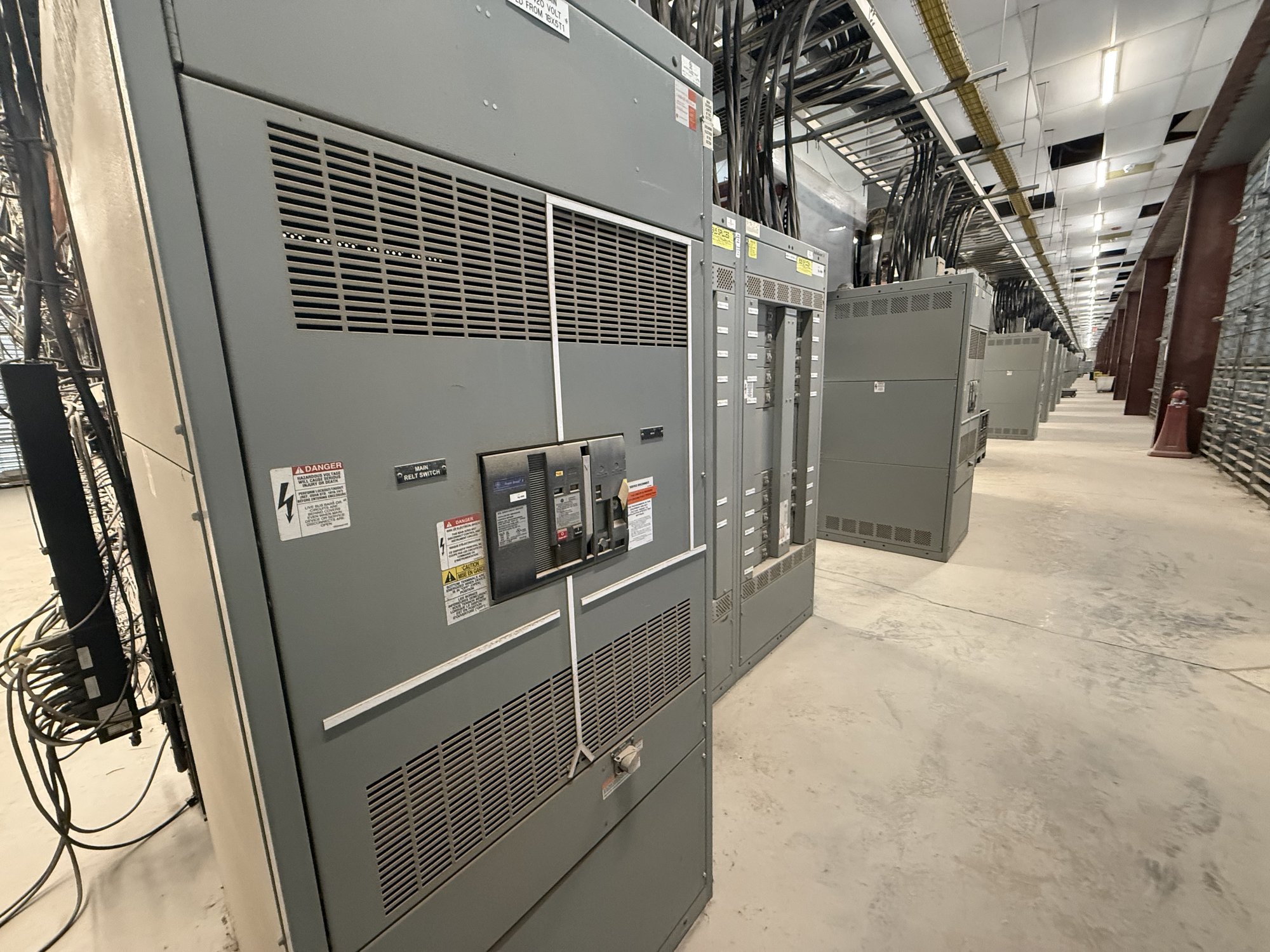
Start with the equipment scope
Name the equipment you expect to purchase and describe its role in the distribution system. Is the request for a low-voltage switchboard assembly, a custom-built configuration, or another switchgear scope? Identify whether the equipment is new construction, a replacement, or an addition to an existing lineup. If the design is still under development, say so; an early request can identify pricing assumptions without presenting them as final requirements.
Share available one-line diagrams, schedules, specifications, and equipment layouts. Include revision dates so the manufacturer can distinguish current documents from superseded ones. If drawings are preliminary, mark them accordingly. A request should also state which items are included, such as main and feeder sections, metering, protective devices, or auxiliary equipment, and which are supplied by others. Clear boundaries help prevent omissions and mismatched comparisons.
Provide the electrical design basis
For a meaningful review, provide system voltage, phase and frequency, the stated available fault current or short-circuit duty, and the intended system configuration. Include the service entrance arrangement and grounding details when known. Identify the required continuous current and any load or feeder schedules available. These values must come from the project’s engineering basis; do not substitute assumptions simply to complete a request.
Describe the arrangement and constraints that affect construction: incoming and outgoing cable or bus connections, top or bottom entry, lineup dimensions, room access, and working-space limits shown in the project documents. Note environmental conditions or special enclosure requirements if specified. For a UL 891 switchboard assembly, identify that requirement in the request and provide the applicable project specification. UL 891 applies to switchboards; it is not a blanket listing for medium- or high-voltage switchgear.
Separate budget pricing from a binding proposal
A budget estimate is useful when the project needs an early cost allowance but the design, device selections, or quantities are not settled. State the estimate’s purpose, the design stage, and the assumptions you want evaluated. The estimate may rely on preliminary documents and should be treated as a planning figure, not as an order-ready offer. Ask which scope items, options, or unresolved engineering details could materially change it.
A binding proposal requires a sufficiently defined scope and review of the applicable technical and commercial terms. Specify the requested equipment configuration, quantities, options, delivery destination, and required dates, and identify the documents that govern the request. The proposal should make its included scope, exclusions, qualifications, and validity terms clear. If final engineering or authority review could revise the design, establish how those changes will be handled before treating the proposal as the purchase basis.
Make procurement assumptions visible
Tell the manufacturer how the price will be evaluated. Identify whether you need a line-item breakdown, alternates, separate pricing for options, or a single equipment total. State the purchasing entity and any required quotation format, project reference, or submittal expectations. If the specification names a particular device or construction detail, explain whether it is mandatory or whether an equivalent configuration may be considered.
List commercial constraints that can affect the proposal, including the target purchase decision date, requested delivery window, ship-to location, and any receiving or unloading restrictions. For Georgia delivery, provide the project address or delivery area and note site-access limits, appointment requirements, or phased receipt plans. Nationwide shipping is available, but the route, delivery arrangement, equipment scope, and schedule must be confirmed for the specific order.
Resolve open questions before order handoff
Identify decisions that remain open rather than leaving them implicit. Examples include meter functions, protective-device features, control power, spare provisions, communication interfaces, labeling, and whether field connections or installation materials are part of the requested scope. For each open item, indicate who will decide it and when. This gives engineering and procurement a way to distinguish priced requirements from options awaiting approval.
Before placing an order, reconcile the final proposal with the approved project documents and procurement terms. Confirm quantities, configuration, ratings, options, exclusions, delivery destination, and the schedule basis. Changes after approval can affect design, price, and timing, so document revisions and approvals should travel with the purchase order. Final equipment details, availability, and timeline are confirmed for each order; engineering and the authority having jurisdiction must review the design and its application.
Prepare a request the manufacturer can act on
A concise request package can include the project name and location, equipment scope, current drawings and specifications, known electrical requirements, requested estimate or proposal type, quantity, options, delivery needs, and a list of unresolved decisions. Add the desired response format and procurement milestones. If information is unavailable, label it as pending instead of guessing, and state when it is expected.
Before submitting, check that document revisions agree, scope boundaries are stated, and the Georgia delivery point and timing assumptions are clear. Ask the manufacturer to identify exclusions and assumptions that need your review. This gives engineering a focused basis for technical questions and gives purchasing a defensible price comparison. Send the current package and specify whether you need a budget estimate or a binding proposal so the review can begin on the right basis.