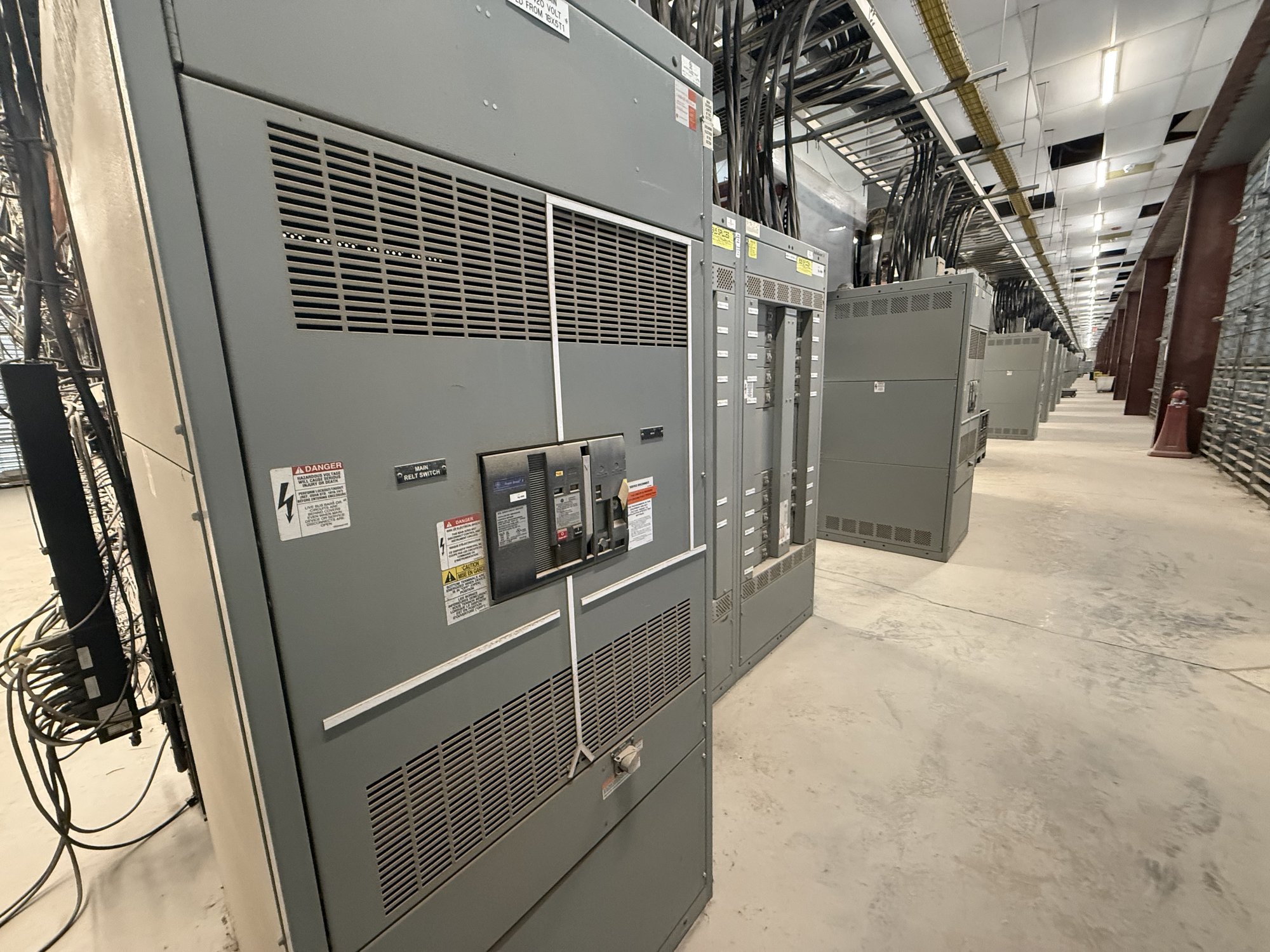
Define the equipment and electrical ratings
Identify the equipment type and intended application: for example, a low-voltage switchboard assembly, service equipment, or a custom-built configuration serving a particular distribution lineup. State the project name, site location, quantity, and whether the quote covers a complete assembly or defined sections. If the application or equipment boundary is still being decided, mark it as open rather than implying a settled design.
Provide system voltage, phase, frequency, available fault-current information, main and feeder requirements, and the intended service or distribution arrangement. Include bus ratings and material preferences when specified, along with breaker types, frame sizes, trip units, and accessory requirements where known. Identify the source of the fault-current value and any coordination or protection criteria. Engineering review must establish the final design and ratings; an RFQ should distinguish confirmed requirements from assumptions.
Send drawings and interface information
Attach the latest one-line diagram and identify its revision and date. Include schedules for mains, ties, feeders, and loads, plus control schematics or sequence descriptions if they affect the assembly. Mark spare, future, and reserved provisions separately. A clear one-line lets the manufacturer compare the requested lineup with the distribution arrangement without guessing how sections connect.
Share plan views, elevations, room or enclosure dimensions, cable entry direction, and known access limits. Show adjacent equipment, wall clearances, housekeeping pads, trench or duct locations, and routes that constrain section size or installation. Note connection points to transformers, generators, utility services, or existing gear, as applicable. If drawings are preliminary, identify what may change and when a coordinated drawing review is expected.
Describe the installation environment
State whether the equipment is indoors or outdoors and describe the actual location: conditioned electrical room, unconditioned space, industrial process area, or another setting. Provide expected ambient conditions, moisture exposure, dust, corrosive agents, vibration, and elevation information when relevant to the design. Include enclosure requirements and any project specifications that govern environmental construction. Avoid relying on a broad label such as “industrial” when a specific exposure could affect material or configuration choices.
Explain how the assembly will be handled and installed. Record door and corridor dimensions, turning restrictions, floor loading concerns, lifting access, and whether the lineup must be split into shipping sections. For Georgia sites, note the delivery address and site-specific access constraints, including receiving hours, unloading equipment, restricted roads, or coordination rules. These details help evaluate packaging and shipment scope; confirm final requirements against the site plan and receiving team.
Clarify standards, testing, and documentation
List the project specifications, applicable standards, and owner or engineer requirements that the quote must address. For a UL 891 switchboard assembly, state that requirement specifically and identify any related documentation or marking expectations. UL 891 applies to switchboards; it should not be treated as a blanket listing for medium- or high-voltage switchgear. If the requested equipment category or compliance basis is uncertain, flag it for engineering review.
Define requested factory testing, inspection, and witness points, including who attends, what records are required, and whether test procedures need prior review. Identify submittal expectations such as outline drawings, bills of material, wiring diagrams, and operation or maintenance documentation. Separate standard documentation requests from project-specific tests or formats. The quote should state what is included, what remains subject to engineering confirmation, and any exclusions that affect acceptance.
Set schedule and commercial boundaries
Give the required on-site date and the dates that drive it: approved submittals, release for production, outage window, construction sequence, or energization milestone. Ask the manufacturer to confirm the achievable schedule for the defined scope rather than assuming a standard lead time. Note decision deadlines, phased delivery needs, and whether partial shipments are acceptable. Exact availability and timing depend on the order’s configuration and are confirmed for each project.
Make the price basis clear by identifying requested quantities, options, alternates, and any scope split between equipment, installation, startup, or other services. State commercial assumptions such as delivery destination, requested freight treatment, and who is responsible for unloading and moving equipment into position. Do not leave optional features embedded in the base request; label them so procurement can compare quotes on a consistent scope.
Complete the handoff before requesting a quote
Name the technical and procurement contacts responsible for questions, drawing decisions, and commercial clarifications. Provide the project specification, one-line, equipment schedule, site information, and current revisions as a coordinated package. Include a short list of unresolved items with the person responsible and target decision date. This makes assumptions visible early and gives the manufacturer a practical basis to identify missing information before finalizing a quote.
Before issuing the RFQ, review the package for conflicting ratings, outdated drawings, unspecified accessories, unclear testing, and delivery constraints. Ask the manufacturer to identify exclusions, assumptions, and items requiring engineering confirmation in the quotation. For a Georgia project, verify the delivery address, receiving plan, and required arrival window with the site team. Submit one controlled RFQ package, then route technical clarifications and revisions through a named project owner.