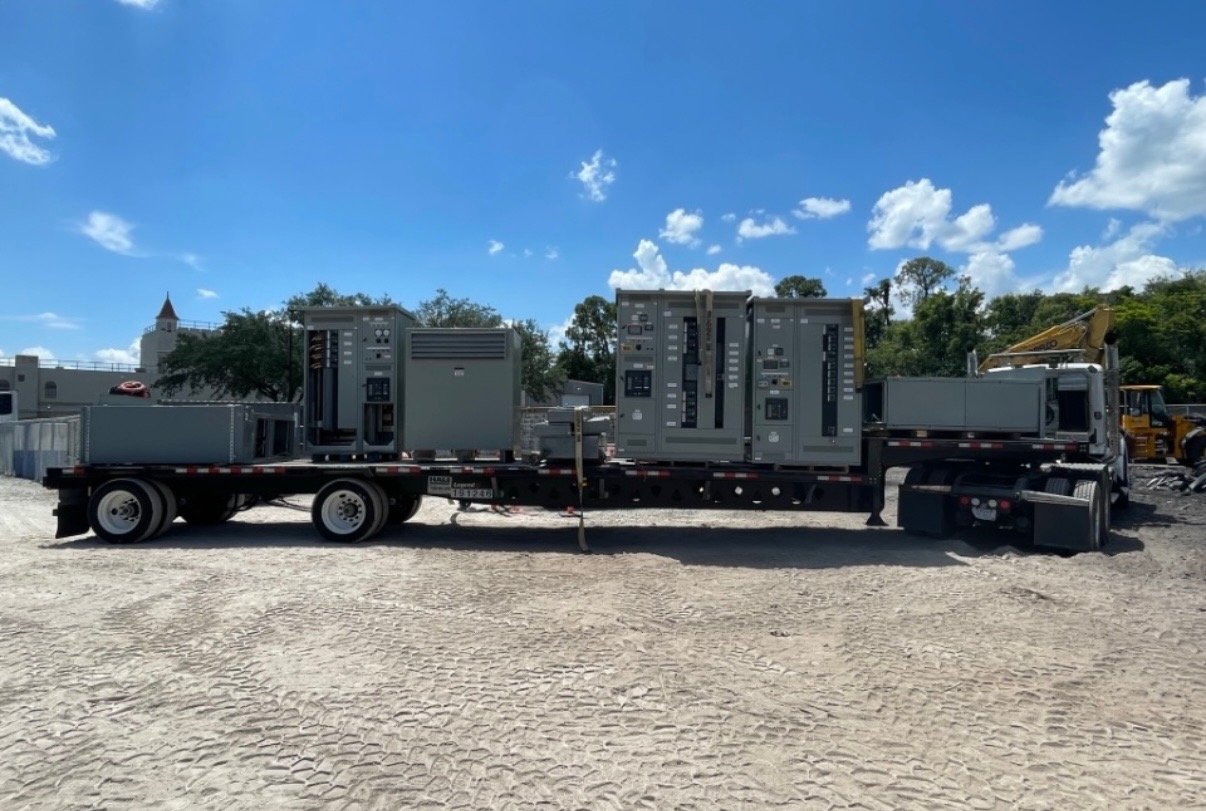
Normalize the quoted scope
Start with a line-by-line scope comparison, not the total price. Confirm whether each proposal includes the complete assembly, factory wiring, bus connections, barriers, doors, lifting provisions, nameplates, and specified accessories. For a switchboard, establish which sections and feeder devices are included and whether metering, control components, and communications interfaces are part of the quoted build.
Read exclusions as carefully as inclusions. A proposal may omit field-installed cable, external control wiring, protection settings, startup support, or modifications to existing equipment. Ask each manufacturer to identify assumed work by others and to state any options separately. Aligning these boundaries prevents a low bid from appearing equivalent when it leaves material or labor outside the quoted package.
Check ratings against the design basis
Compare the quoted voltage, system configuration, continuous current, short-circuit withstand or interrupting requirements, and frequency with the project documents. Verify the basis for the ratings and identify any assumptions about source characteristics or upstream protection. Do not infer that a higher-looking number makes two proposals interchangeable; the equipment arrangement and applicable rating definitions must match the engineered design.
For UL 891 switchboard assemblies, confirm that the proposal identifies the intended assembly standard and describes the offered configuration. UL 891 applies to switchboards; it does not establish a blanket listing for medium- or high-voltage switchgear. Review the exact equipment type, ratings, and required evaluation with the engineer of record and applicable authority before treating a bid statement as project approval.
Compare drawings and submittal commitments
A useful bid says what engineering documents will be provided and when they are expected, without implying a schedule that has not been confirmed. Ask whether the submittal package will include arrangement drawings, one-lines, elementary diagrams, bills of material, connection details, and dimensional information needed for room layout and cable planning. Identify the review stages and who consolidates comments.
Check that documentation will resolve interfaces, not merely show a generic product. Confirm how terminal locations, conduit or cable entry assumptions, control power, metering, communications, and connections to adjacent equipment will be represented. Ask what revised documents are supplied after approved comments and what records accompany the finished equipment. Agreeing on these deliverables supports coordination among engineering, construction, commissioning, and operations.
Separate lead time from delivery date
Compare schedule language on the same basis. One proposal may state a production interval after approved drawings, while another may refer to shipment after order entry or receipt of required information. Ask what event starts the quoted interval, whether drawing review affects it, and which customer decisions or approvals are needed before the build can proceed. Treat unconfirmed dates as planning assumptions, not commitments.
For a Georgia project, provide the jobsite city and ZIP code, receiving hours, unloading arrangements, access restrictions, and any delivery coordination requirements when requesting the quote. Clarify whether the proposal includes freight, how shipment is handled, and whether delivery is to a dock, curbside, or another agreed point. Nationwide shipping is available, but route, handling, availability, and timing must be confirmed for the specific order.
Reconcile commercial terms
Review price basis, quote validity, payment milestones, taxes, freight treatment, and the process for approving changes. Compare options consistently: keep alternates separate from the base scope and note whether requested substitutions alter ratings, dimensions, documentation, or schedule. Confirm how omissions discovered after award are quoted and approved so procurement can evaluate the potential cost and schedule effect before authorizing a change.
Check the proposed terms for cancellation, storage, delivery acceptance, and responsibility for damage or shortages, where applicable. Do not assume these provisions are identical across bids or settled by a total price. Have purchasing and project management resolve conflicts between the proposal and purchase order, and ensure that negotiated exceptions are recorded in the final order documents.
Build a defensible award and handoff
Use a comparison matrix that records each bidder’s scope, technical basis, document list, schedule trigger, delivery assumptions, exceptions, and commercial terms. Mark items as confirmed, excluded, optional, or requiring clarification rather than relying on informal notes. Route technical deviations to the responsible engineer and contract deviations to procurement; price alone cannot establish that a proposal meets the project requirements.
Before requesting a quote, share the current one-line and specifications, required ratings, preferred equipment arrangement, accessory schedule, document requirements, target dates, delivery location, and known site constraints. Ask the manufacturer to list assumptions and exceptions in writing. Before award, close each open item, confirm the accepted configuration and schedule basis, and transfer the final scope, drawings, delivery plan, and unresolved responsibilities into the project handoff.