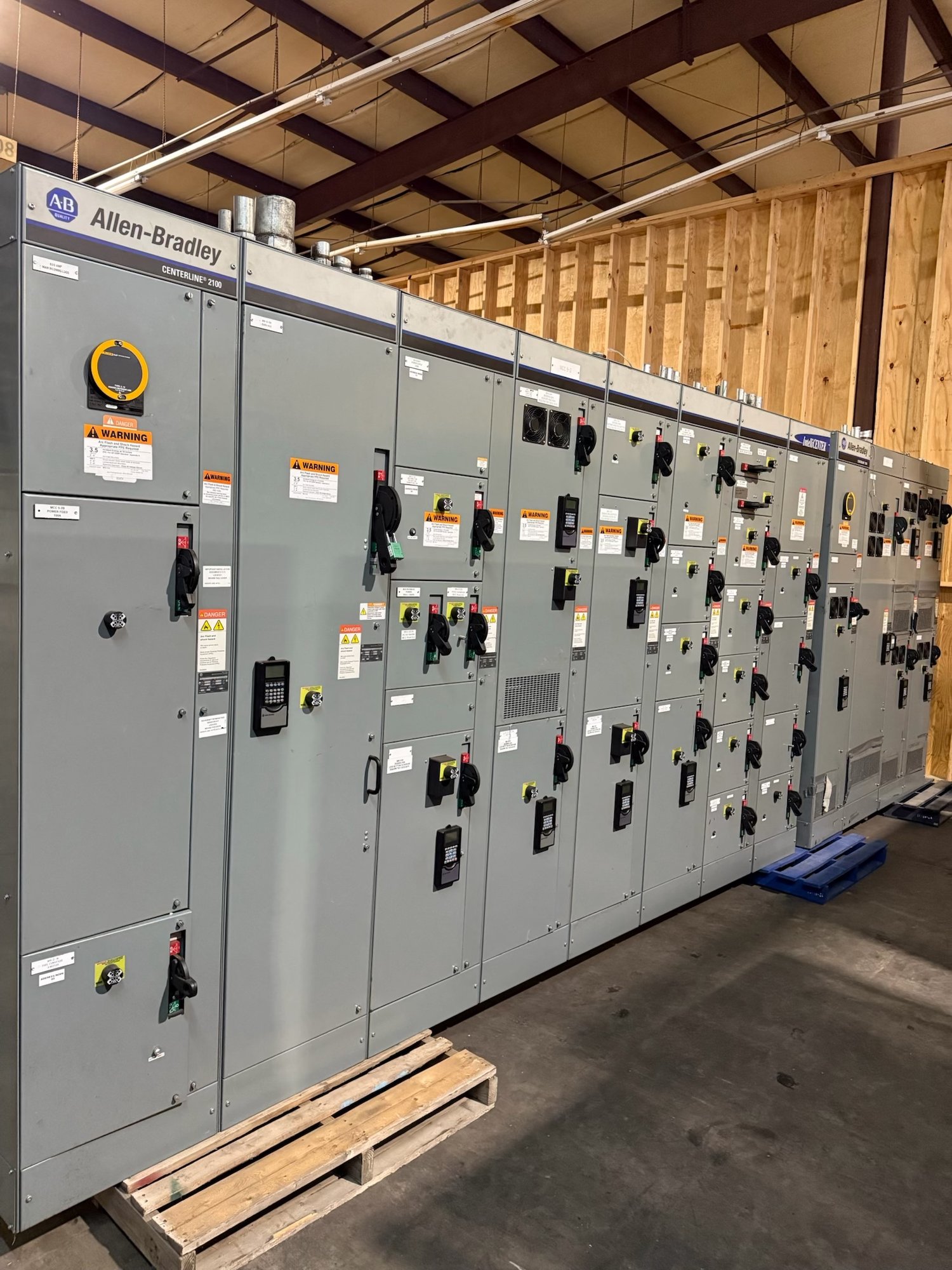
Start with the shipment and receiving plan
Packaging requirements begin with how the equipment will travel and where it will be received. Identify whether the assembly will ship as one section or in multiple sections, whether the carrier will make a direct delivery or use a transfer point, and whether unloading occurs at a dock, grade level, or inside a constrained electrical room. These details affect protective materials, restraint, and the space needed to remove packaging.
For a Georgia project, provide the delivery address, expected receiving conditions, access limits, and any site-specific appointment or unloading requirements when available. Include the planned installation sequence and whether the equipment will be stored before placement. Exact packaging and delivery arrangements are confirmed for each order; a destination alone does not establish route, transit exposure, or unloading capability.
Brace for the equipment, not just the crate
Restraint should account for the assembly’s dimensions, weight distribution, section joints, and approved lifting or support points. Blocking and bracing need to limit movement during transport without loading cabinet doors, protruding components, bus structures, or other vulnerable features. The packaging plan should also preserve access to any designated lifting points and keep the center of gravity and handling orientation clear to the carrier.
Share the equipment layout, shipping configuration, estimated weights and dimensions, and any handling restrictions established for the design. If sections must remain together or travel separately, state that before the package is finalized. Bracing details must suit the actual assembly and shipping arrangement; do not infer lifting points or apply force to cabinet parts unless the equipment documentation identifies them for that purpose.
Choose moisture protection for the exposure
Moisture protection should reflect the expected transit and storage conditions, not an assumed level of enclosure. Rain exposure during loading, humid storage, temperature changes, and a long interval before indoor installation present different concerns. Protective wrapping or a barrier can help limit exposure, but it must be selected and applied in a way that does not trap unwanted moisture or interfere with inspection and receiving procedures.
Tell the manufacturer whether the shipment may be held outdoors, stored in an unconditioned building, or exposed to repeated loading and unloading. Note the anticipated storage duration if known, and identify any project requirements for desiccants, sealed barriers, or inspection before installation. Packaging is not a substitute for appropriate storage at the destination. Follow the equipment’s handling and storage documentation after delivery.
Make identification visible and useful
Labels should help the receiving team connect each shipped section with the correct order, location, and installation sequence. Confirm the project name or approved reference, section designation, destination, package count, and any orientation or handling marks needed for the shipment. When an assembly ships in separate packages, consistent numbering can reduce confusion during staging and help crews identify what belongs together.
Agree on label content and placement before shipment, especially if the site uses its own receiving codes or requires documents to accompany each package. Keep labels legible and positioned where they can be checked without removing protective material. Identification should not expose sensitive project information unnecessarily, and it should match the approved equipment and shipping documents rather than an informal field description.
Coordinate handling instructions and limits
Handling marks and accompanying instructions should describe the intended orientation, lifting method, and any restrictions relevant to the packaged equipment. They need to be understandable to the carrier and receiving crew, while remaining consistent with the equipment documentation. If the package cannot be tilted, stacked, or handled from particular sides, communicate those limits during quotation and confirm how they will be conveyed on the shipment.
Before delivery, designate who will receive the shipment, inspect visible packaging condition, document damage, and direct movement to the approved staging area. Use qualified personnel and suitable equipment for unloading and placement. Do not treat a handling symbol as a substitute for reviewing the assembly’s actual lifting instructions or for planning a lift around site conditions.
Prepare the quote and project handoff
For a packaging quote, provide the equipment configuration, number of shipping sections, available weights and dimensions, destination in Georgia, transit and storage expectations, unloading method, site access limits, and required label information. Include any packaging, documentation, or delivery constraints in the project specification. These details help establish a practical scope; final packaging, availability, and schedule depend on the ordered configuration and are confirmed for that order.
Before release, align procurement, the carrier, and the receiving team on package count, shipment identifiers, handling instructions, and the planned receiving window. Confirm who will inspect and stage each section and where packaging will be removed. A clear handoff reduces avoidable handling uncertainty between delivery and installation. Gather the route, storage, unloading, and labeling requirements before requesting a quote so the packaging plan can be tailored to the equipment and Georgia site.