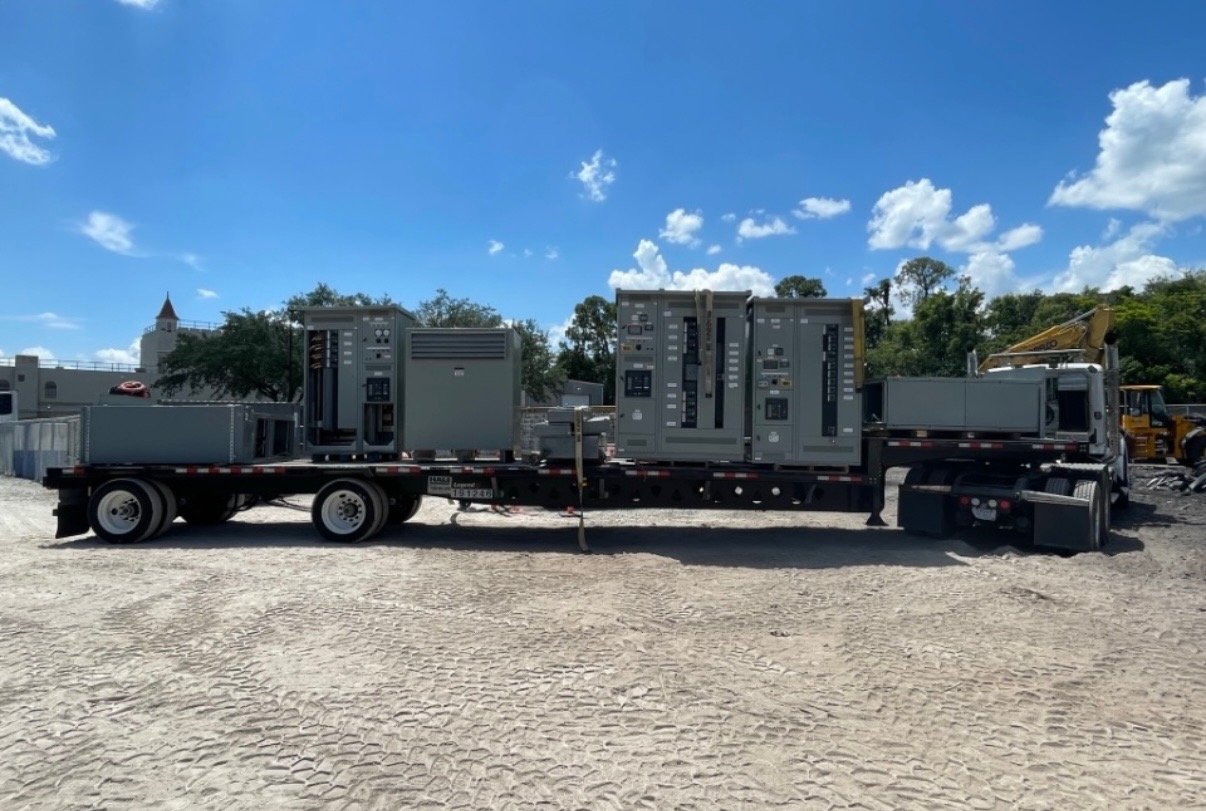
Start with an equipment and material inventory
Build an inventory before scheduling decommissioning or disposal. Record each lineup, section, and major device by manufacturer, model, serial number, age if known, and location. Note whether the equipment is a low-voltage switchboard, medium-voltage assembly, transformer-associated gear, or another configuration. Include drawings, nameplates, maintenance records, and photographs where available. These details help qualified electrical professionals identify components and determine what information a waste handler or recycler will need.
Describe the equipment’s condition and operating history without assuming that appearance establishes material content. Ask whether doors or enclosures are damaged, whether a unit has been exposed to fire or flooding, and whether any components are leaking or visibly contaminated. Identify batteries, capacitors, control boards, relays, meters, and other electronic parts separately when possible. If records are incomplete, note the uncertainty rather than guessing; material characterization and handling decisions may require review by appropriate environmental or electrical specialists.
Separate metals from electronics and mixed materials
Steel and aluminum enclosures, copper bus, and other metal components may be recyclable, but separation is not simply a matter of sending an entire lineup to a metals processor. Switchgear can contain coatings, insulation, arc-control parts, wiring, and attached devices that complicate processing. Keep assemblies intact until qualified personnel have determined how to de-energize, dismantle, and sort them. The equipment’s construction and condition affect both safe work planning and the practical options for material recovery.
Electronic controls and instruments should be identified as a distinct stream rather than treated automatically as ordinary metal or general waste. Circuit boards, electronic trip units, meters, and communication devices can contain mixed materials and may be subject to specific handling or downstream processor requirements. Ask the proposed recycler or waste vendor what components it accepts, how it documents receipt, and whether it provides records of recycling or final disposition. Confirm those details before removal so the facility can retain a consistent chain of records.
Identify oil and other potentially regulated contents
Some electrical equipment contains oil; many switchgear assemblies do not. Do not infer contents from equipment type alone. Check nameplates, drawings, maintenance files, and manufacturer documentation, then have qualified personnel verify any suspected fluid-containing device. Record the equipment identifier, fluid type if known, estimated quantity if documented, and any signs of leakage. If the fluid or its history is uncertain, arrange appropriate evaluation before transport or processing rather than treating it as ordinary scrap.
Applicable waste requirements depend on the material, its condition, its history, and the circumstances of handling. Georgia and federal requirements may apply, while site permits, utility procedures, or other project rules can add constraints. A facility environmental lead or qualified environmental professional should determine waste characterization, storage, labeling, and shipment requirements for the actual materials. Keep potentially regulated fluids and contaminated parts controlled and segregated as directed; do not drain, mix, or transfer them without an approved work plan.
Plan removal around electrical and facility controls
Removal planning must account for the electrical system, not only the disposal destination. Coordinate shutdown windows, isolation points, lockout/tagout responsibilities, verification of absence of voltage, and any temporary power arrangements with qualified electrical personnel. Identify upstream and downstream connections, shared bus or control wiring, and equipment that must remain in service. The responsible engineer and facility authority should review the work sequence and approve changes to operating conditions before dismantling begins.
Check access routes, floor loading, lifting points, door clearances, staging areas, and restrictions on vehicle or equipment movement. Older lineups may be large, assembled in place, or difficult to separate without affecting adjacent equipment. Establish who disconnects conductors, removes sections, protects openings, and restores affected spaces. If the work involves suspected contamination, leaking fluids, or damaged components, confirm the appropriate containment and worker-protection measures with qualified specialists before the crew starts.
Set documentation and responsibility before the handoff
A clear scope prevents gaps between the facility, electrical contractor, environmental vendor, transporter, and receiving processor. Define which party performs electrical isolation, dismantling, packaging, labeling, loading, transport, and final processing. Specify whether the scope includes only switchgear or also associated breakers, controls, batteries, cable, or oil-bearing devices. Identify any equipment that must be retained for records, investigation, or facility use, and document the approved method for handling it.
Agree on the records expected at each stage. Useful project files can include the equipment inventory, photographs, work authorization, waste determinations, shipping documents where required, receiving receipts, and certificates or statements describing final disposition when available. Confirm how discrepancies, rejected loads, or newly discovered fluids will be managed. Keep copies with facility asset and environmental records, and reconcile the final material quantities or unit counts against the original inventory.
Prepare a Georgia project handoff
For a project in Georgia, confirm the facility address, site access rules, delivery or pickup constraints, and the destination and handling plan for each material stream. Local access, traffic restrictions, weather exposure, and the distance between the facility and receiving processors can affect staging and transport arrangements. Do not assume a single provider accepts every component or that one route applies to all waste classifications. Verify current requirements and acceptance conditions with the responsible environmental professionals and receiving facilities.
For a project estimate or scope review, share equipment counts, nameplate data, photographs, available drawings, known fluid contents, observed damage, site access details, shutdown constraints, and the records you need at closeout. Identify any uncertain materials explicitly and state who will make final characterization decisions. Before authorizing removal, approve the task sequence, material segregation plan, transport responsibilities, and documentation checklist. That preparation gives the project team a practical basis for scheduling work and completing a traceable handoff.