Prepare before the truck arrives
Have the purchase order, approved drawings, equipment schedule and shipping notice available at the receiving point. Confirm the expected delivery date, number of packages or sections, unloading method, laydown area and personnel assigned to inspect. For a Georgia site, coordinate the receiving window with the project superintendent and carrier, especially if access, staging space or weather protection is limited.
Agree in advance who can accept the shipment and who must review discrepancies. Receiving personnel can record external condition and package counts, but design interpretation belongs with the project engineer or qualified electrical professional. If delivery timing changes, verify that the site can protect the equipment and keep each section identifiable until it is ready for controlled inspection.
Match identification to the approved order
Read the nameplate and shipping labels without relying on crate markings alone. Compare manufacturer, project or order reference, equipment designation, section identifiers, voltage and other specified characteristics with the approved submittal and purchase documentation. Check that each lineup designation corresponds to the intended building, electrical room or system; similar-looking assemblies may serve different loads.
Record discrepancies rather than making assumptions. A difference in voltage, configuration, section number or label may indicate a documentation issue, a shipment error or an approved revision that has not reached the receiving team. Photograph the nameplate and label, note the package or section involved, and send the comparison to procurement and engineering before releasing the equipment for installation.
Inspect packaging and visible condition
Before unloading or opening packages, look for punctures, crushed corners, torn wrapping, shifted skids, water marks, broken seals and signs of impact. Photograph the condition from several angles, including carrier labels and any damage near lifting points. Note visible concerns on the delivery receipt before signing, following the carrier's documentation process; a clean receipt can make later review more difficult.
After safe placement and authorization to unpack, inspect accessible surfaces for dents, bent doors, damaged paint, cracked viewing windows, loose parts or moisture indicators that show exposure. Do not operate handles, remove internal barriers or touch electrical components as part of a routine receiving check. Preserve packaging where practical, and stop unpacking if damage could make further handling unsafe or worsen the condition.
Account for every shipped section
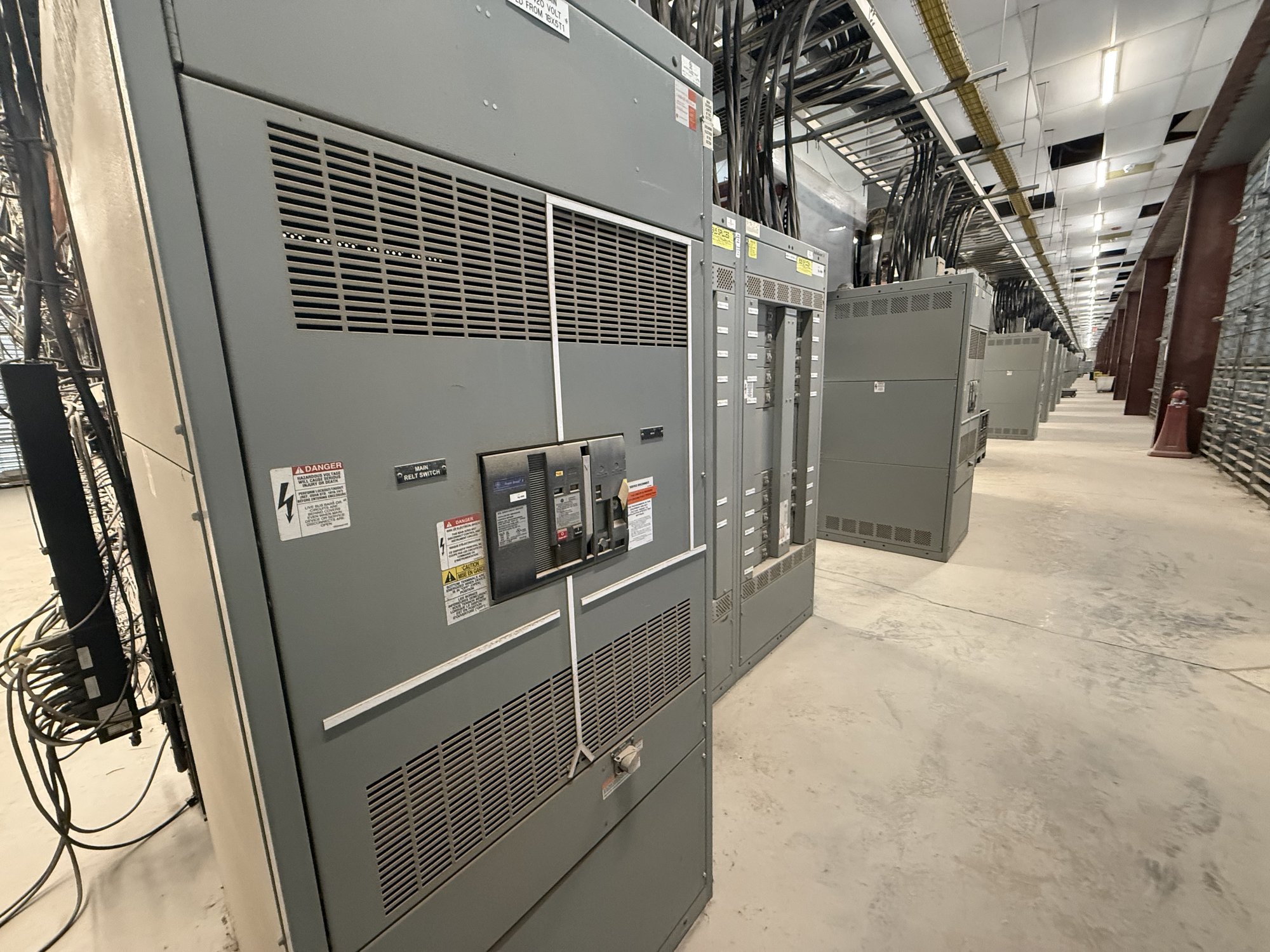
Use the approved general arrangement and shipping breakdown to count sections and identify their sequence. Confirm that the delivered lineup includes the expected main, distribution, transition or other specified sections, as applicable to the order. Check that section labels and shipping splits align with the planned lineup; do not infer final placement from crate order when the drawings show a different arrangement.
If sections arrive on multiple trucks or in separate deliveries, maintain a receipt log showing what arrived, when, its condition and where it is stored. Mark missing or duplicate sections clearly and notify procurement and the project team promptly. Keep units protected and upright as directed by the manufacturer's handling information, with access paths and storage conditions reviewed for the actual site.
Reconcile accessories and packing documents
Compare the packing list with the purchase order and approved submittal for accessories, loose-shipped items and documentation. Depending on the specified assembly, these may include keys, handles, hardware, barriers, lifting components, labels or separate control-related items. Confirm quantities and package identifiers, but do not assume an item is missing until the packing list and shipment breakdown have been checked for separate packaging.
Collect the packing list, bill of lading, delivery receipt, inspection photographs and any condition notes in the project record. Record accessory shortages by description and package number. If documents refer to an unfamiliar revision or configuration, request clarification through the project procurement and engineering process rather than substituting parts or changing the approved arrangement.
Resolve exceptions and complete handoff
For damage, missing sections, absent accessories or identification conflicts, create a concise exception report with the order reference, delivery date, affected package or section, photographs and document comparison. Notify the carrier when transit damage is suspected, and involve procurement and engineering to determine next steps. Keep disputed equipment segregated or clearly identified so it is not inadvertently installed, modified or treated as accepted.
Before closing the receiving record, confirm who owns each open item, where the equipment will be stored and what documentation the installer needs. For a new Georgia project quote, share the required lineup identification, section count, delivery location, access or unloading constraints, requested accessories and target receiving window. Ask that shipping documents and section breakdowns be coordinated with the approved submittal, then verify the shipment against those records on arrival.