Set responsibility before dispatch
Start by confirming who arranges transportation, who bears transit risk under the agreed sale terms, and which party is responsible for filing a carrier claim. These responsibilities can differ depending on the order and shipping arrangement; do not assume that the carrier’s bill of lading or a general insurance certificate resolves them. Record the applicable terms in the purchase documents and identify the party that will receive and inspect the shipment.
Ask what coverage applies to the specific shipment, who provides it, and when protection begins and ends. Carrier liability and cargo insurance are not necessarily the same, and coverage may have limits, exclusions, deductibles, or documentation requirements. Confirm whether the insured value reflects the equipment and any agreed freight costs, and whether the policy addresses partial loss, concealed damage, or delay-related expenses. Obtain the relevant evidence of coverage and claim instructions before dispatch rather than relying on a verbal summary.
Define the shipment and inspection plan
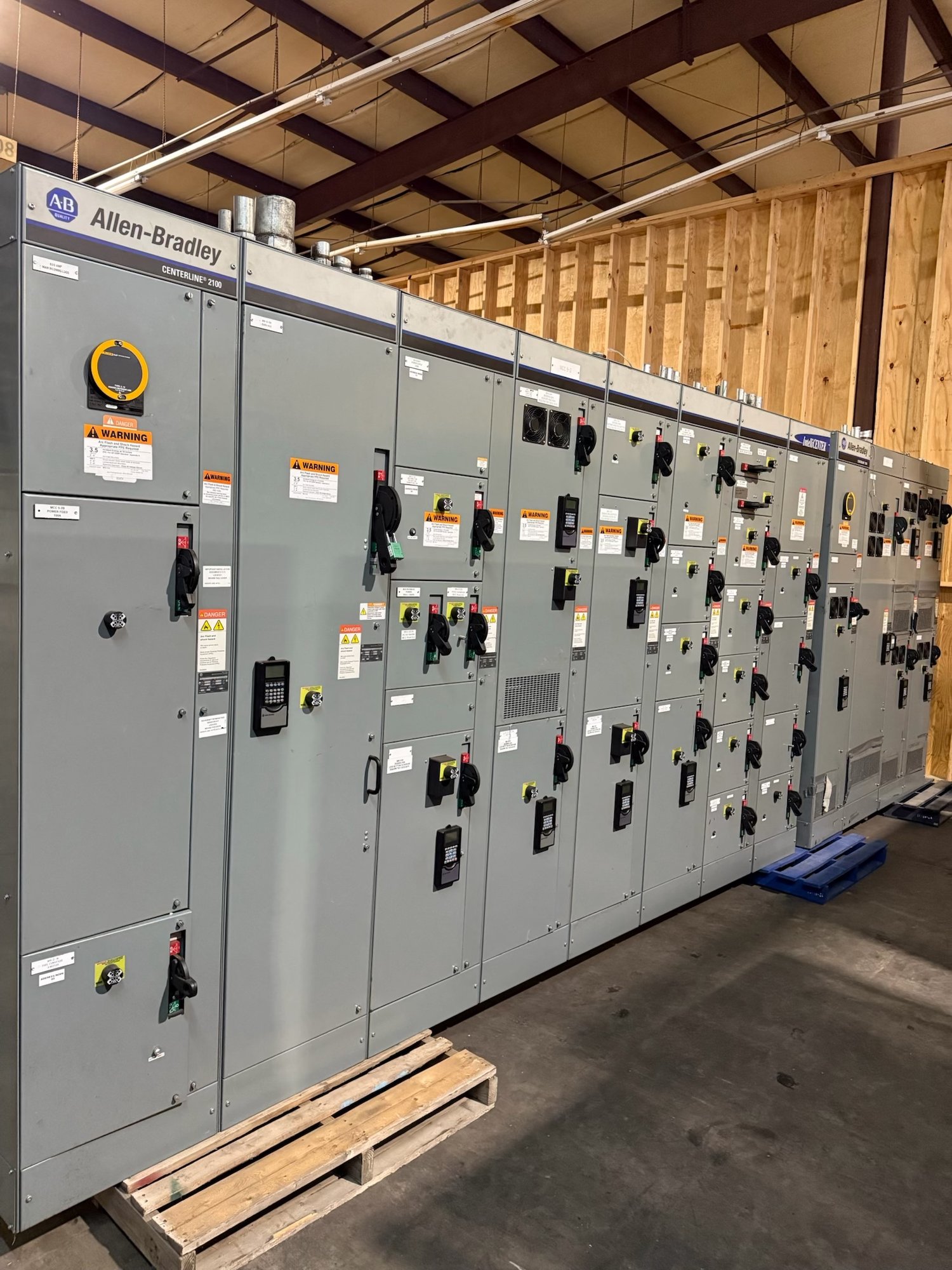
Switchboards and switchgear can ship as one assembly or as multiple sections, depending on the approved configuration and transport constraints. Before shipment, reconcile the packing list and shipping documents with the order: identify each section, loose accessory package, barrier, and separately shipped item. Confirm the planned delivery address, receiving contact, access restrictions, unloading equipment, and whether the site can accept the shipment at the proposed time. A mismatch between the shipment plan and site readiness can complicate inspection and claim handling.
Agree who will inspect the load at delivery and what records that person must make. Provide the receiving team with the purchase order, packing list, delivery instructions, and a simple process for reporting exceptions. If sections are intended to be installed together, preserve their identification and note any discrepancy between labels and paperwork. For Georgia deliveries, coordinate the receiving window with site access, crane or forklift arrangements, weather exposure, and the project’s storage plan; the actual route and delivery schedule depend on the order and carrier.
Record condition before unloading
At arrival, inspect the vehicle and load before unloading when conditions permit. Photograph the trailer or container, restraints, packaging, seals if present, and any visible impact, puncture, water exposure, crushed corners, or shifted freight. Capture wide views and close-ups, and include labels or section identifiers so each image can be tied to a specific item. Note the date, time, delivery location, carrier, and names of those present. Preserve the original photographs and delivery paperwork in the project record.
Compare the count and visible condition with the shipping documents, then write specific exceptions on the delivery receipt before signing. Avoid broad entries such as “subject to inspection” as a substitute for describing observed damage or missing pieces. If the carrier requests a notation, state the facts clearly and retain a copy of the signed receipt. Do not discard packaging, bracing, or damaged components; insurers and carriers may need to inspect them. If unloading must proceed, document condition first where practicable and keep the affected equipment identifiable.
Report damage and protect claim rights
Notify the responsible freight or insurance contact promptly after discovering damage, including damage found after packaging is removed. Follow the applicable policy and carrier claim instructions for deadlines, forms, inspections, and supporting evidence; time limits vary, so do not wait for a repair estimate before giving notice. Send a concise written report with the order reference, shipment identifiers, delivery date, description of the condition, photographs, receipt notations, and packing-list discrepancies. Keep proof of when and how notice was sent.
Limit handling of affected equipment until the appropriate parties advise on inspection and disposition. Do not energize, install, modify, or dispose of potentially damaged equipment as a way to expedite the project. A qualified electrical professional should assess any suspected impact to enclosures, bus, insulators, controls, or internal components, with engineering review as needed. Preserve records of storage conditions and any protective steps taken after delivery. Prompt, factual reporting helps establish what was observed without presuming the cause or outcome of a claim.
Coordinate procurement, engineering, and handoff
Before requesting a quote for new equipment, share the delivery location in Georgia, required on-site date, receiving hours, unloading capabilities, storage conditions, and any site access or appointment requirements. Also identify the equipment type and configuration, shipment constraints, and whether the order is expected to ship in sections. Ask what shipment documents and condition records will accompany the order, what insurance arrangements are available for the proposed delivery, and which party must notify the carrier or insurer. Coverage, availability, and schedule are confirmed for each order.
After delivery, route the signed receipt, photographs, packing-list check, and any exception notice to procurement, the project manager, and the equipment’s engineering contact. Record whether the shipment is complete, whether a claim is open, and what disposition has been authorized before installation planning proceeds. For the next step, assign one person to preserve the evidence and submit written notice promptly, then confirm the claim’s required inspection process before moving, repairing, or commissioning affected equipment.