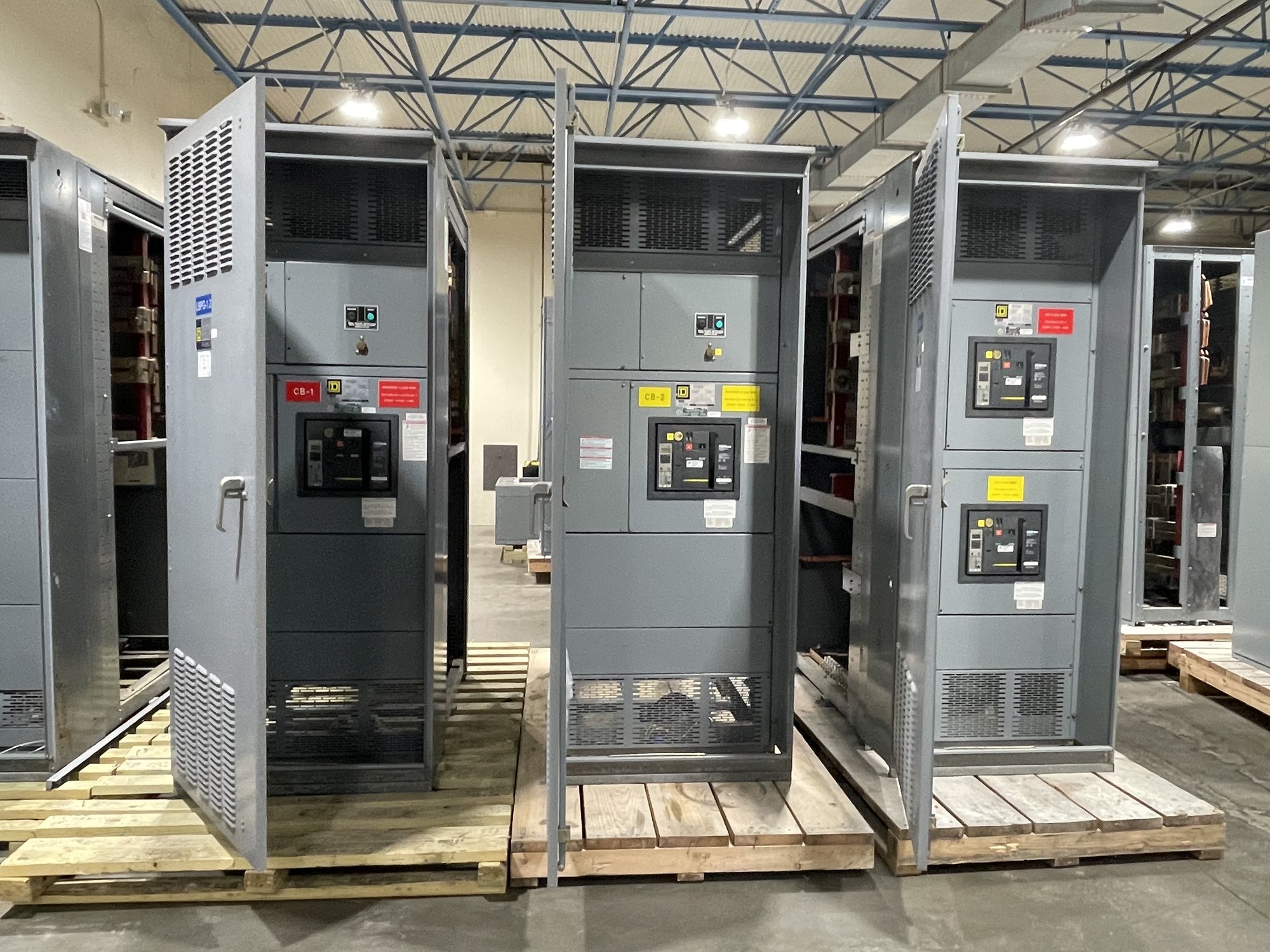
Define the baseline before testing
A baseline is the documented starting point for later condition assessments. Agree on its purpose before work begins: which equipment and circuits are included, which tests apply, and who will review the results. The record should identify the switchboard or switchgear lineup, sections, cubicles, breakers, bus, protective devices and other components by consistent equipment and drawing identifiers. Without that structure, a later reading may be difficult to associate with the correct asset.
The scope should follow the equipment design, manufacturer instructions, project specifications and an engineer-approved test plan. Not every test is appropriate for every component or configuration. Ask the engineer to define acceptance criteria, test limits, required precautions and how exceptions will be handled. Establish whether the baseline is factory test documentation, field commissioning measurements, or both; they serve different purposes and should not be treated as interchangeable.
Record methods and conditions
A measurement has limited value without its method. For each test, capture the instrument type and identifier, calibration status or due date, test voltage or current where applicable, connection points, duration, sequence, and any correction or calculation applied. Record the procedure or revision followed and the technician or organization performing the work. Use consistent units and retain original readings rather than only rounded summaries.
Note conditions that could affect repeatability, including equipment temperature, ambient temperature, humidity when relevant, moisture or contamination, equipment state, and time since de-energization. Identify whether conductors were isolated, grounded, or connected to other devices during measurement. Record any temporary test leads, barriers, removed connections or configuration changes, then document restoration and independent verification under the approved work process. Future teams can then distinguish a real change from a difference in setup.
Choose measurements with future comparison in mind
The engineer should select tests based on the equipment and maintenance objectives. Depending on the design and applicable procedures, the plan may include insulation resistance, contact resistance, breaker timing, functional checks, control-circuit checks, or protective-device testing. Define test points and operating positions precisely. For example, contact resistance results are meaningful only when the same poles, connection points, current, preparation and comparable test method are used in later work.
Specify how results will be evaluated: against manufacturer limits, project criteria, prior readings, phase-to-phase patterns, or a combination. A single value rarely explains condition by itself. Preserve phase-level data and observations, and flag unusual results for engineering review instead of silently averaging them. Do not assume a universal pass/fail threshold or use a baseline as permission to override equipment instructions, an approved maintenance program or the judgment of qualified personnel.
Coordinate procurement and documentation
When purchasing new equipment, request a clear list of available factory test records and deliverables, and state whether field baseline testing is part of the project scope or performed separately. Ask how results will map to the final equipment labels, one-line diagram, breaker schedule and approved drawings. Confirm the expected file formats, naming convention, revision control and responsible reviewer before submittals are finalized. A well-planned handoff avoids records that cannot be matched to installed assets.
For a custom-built switchboard assembly, provide the intended equipment identification scheme, test documentation requirements, project schedule and any owner or engineer forms during quotation and design review. Clarify which readings are included, which tests require site access, and what commissioning contractor or facility staff will supply. UL 891 applies to switchboard assemblies; it does not establish a blanket certification for other voltage classes or replace project-specific test planning. Confirm exact scope, availability and timing for each order.
Build a usable record for future maintenance
Deliver a structured report with an equipment index, test-by-test results, conditions, methods, instruments, criteria, deviations and reviewer disposition. Include dated drawings or marked-up test-point references where needed, plus calibration documentation and supporting instrument exports when available. Store the report with commissioning records and the maintenance system, not solely in an individual technician’s files. Preserve an unaltered original and clearly label later corrections or supplemental testing.
At turnover, walk the receiving team through unresolved exceptions, limitations and any component or connection changed after testing. Explain which results form the comparison baseline and which were collected under different conditions. For a Georgia project, coordinate delivery to the jobsite or designated receiving point with the construction sequence and document handoff; shipping arrangements and timing are confirmed for each order. Before requesting a quote, share the equipment type, configuration, project location, required documentation, test scope, schedule and drawing status. Ask the engineer to approve the measurement plan, then assign an owner to retain the final record and use the same methods for future comparisons.