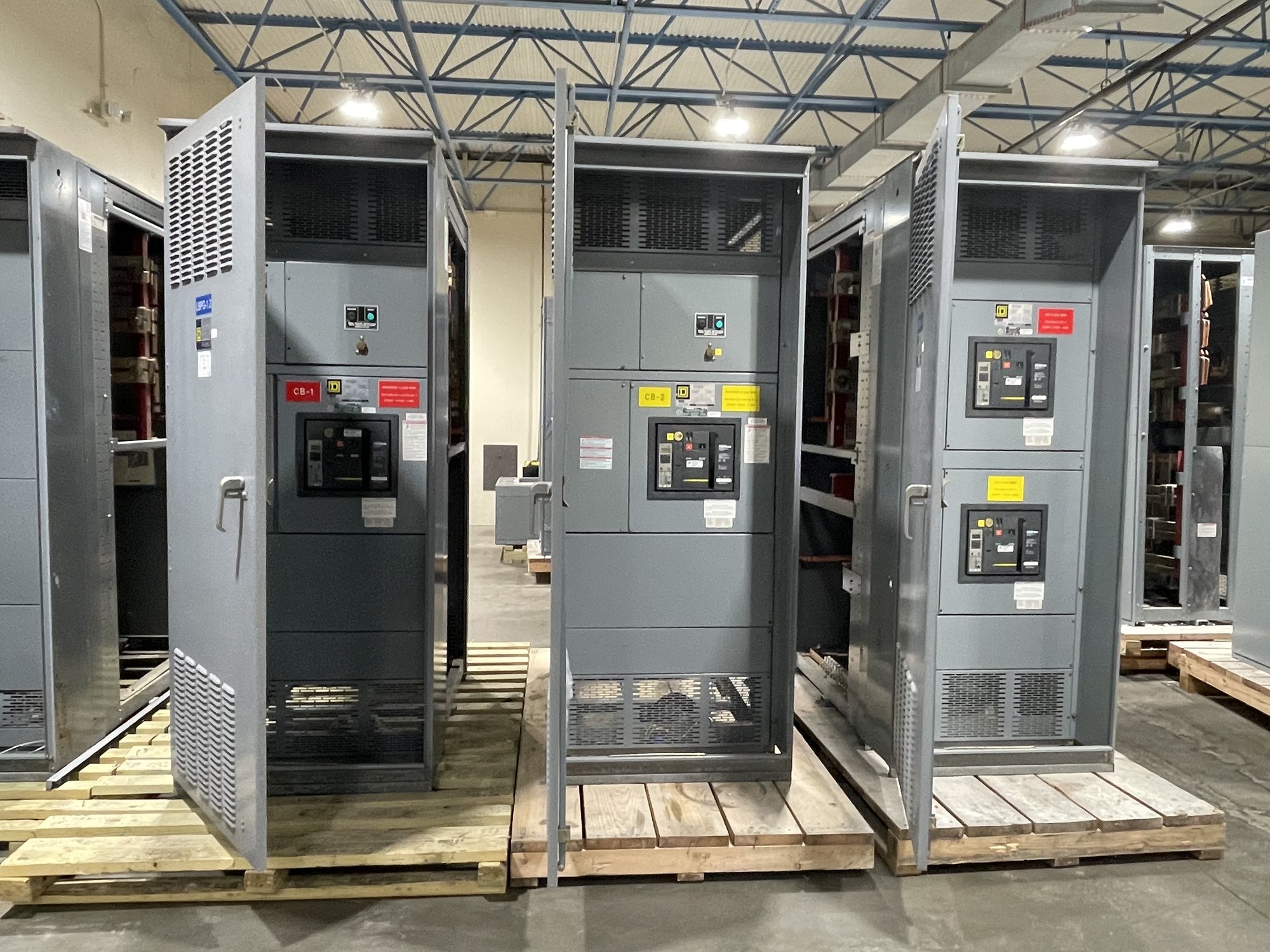
Define the equipment scope
Start with the electrical function the project needs: service entrance distribution, feeder distribution, motor control interfaces, replacement of an existing assembly, or another defined application. Share the one-line diagram, available load information, system voltage, phase, frequency and grounding approach when known. These details help distinguish a switchboard requirement from a different type of switchgear and identify questions that need engineering review.
For UL 891 switchboard assemblies, clarify the intended use and requested assembly configuration. UL 891 applies to switchboards; it should not be treated as a blanket listing for medium- or high-voltage switchgear. Identify any project specification language that calls for a particular standard, listing, or construction feature so the requested scope can be checked before procurement decisions are made.
Resolve interface and space constraints
Existing electrical rooms and new construction impose different constraints. Provide available dimensions, access and handling limits, conduit or busway entry locations, cable approach, working clearances shown in the project documents, and the position of adjacent equipment. For a replacement, include the existing lineup arrangement and connection details where available. This information helps determine whether the proposed configuration can fit the project interface; it does not replace field verification or design approval.
Also identify environmental conditions and project-specific construction requirements, such as indoor or outdoor placement, enclosure expectations, seismic provisions, unusual ambient conditions, or a specified finish. State which requirements are mandatory and which are preferences. The project engineer and authority having jurisdiction must review design, ratings, installation conditions and code requirements for the actual application.
Coordinate engineering decisions
A useful scope review identifies what information is settled and what remains open. Share the latest one-line diagram and equipment schedules, plus available fault-current information, protective-device requirements, metering needs, control and indication expectations, and any coordination or arc-flash study criteria. Where values or selections are not established, mark them as pending rather than assuming a rating or device arrangement. The responsible engineer must determine and approve the design inputs.
Clarify how the new assembly will connect to upstream and downstream equipment. Note required cable or bus connections, communications interfaces, control power, interlocks, and signals to building or plant systems. Identify who supplies and approves drawings, settings, control narratives and interface details. This division of responsibility gives the project team a practical basis for reviewing technical submittals and resolving gaps before release to manufacture.
Plan procurement and configuration
For a quote, provide the project location in Georgia, requested quantities, equipment scope, current specification and drawing revisions, required options, and the date the project needs approved submittals or equipment. Include the bid or procurement schedule and any milestone dates that affect release. Tell us whether alternates are acceptable and identify required documentation or purchasing terms. These inputs support a project-specific review; they do not establish price, availability or a committed lead time before confirmation.
Custom-built configurations can address defined project interfaces and requirements, but each option needs to be evaluated against the complete scope. Flag substitutions, owner standards, approved-equal rules, and review steps early. American-made components and short lead times are project priorities, not assumptions about every component or order. Component selection, sourcing, build scope and schedule are confirmed for the equipment being quoted.
Prepare submittals and handoff
Agree on the documents needed for review and release, such as arrangement drawings, wiring information, product data and required test or identification records. Confirm document formats, reviewer roles, comment deadlines and the process for approving revisions. A clear submittal path helps purchasing, engineering and construction teams work from the same equipment scope and limits avoidable changes after approval.
Before release, reconcile the approved documents with the purchase scope, interface responsibilities, shipping destination and site receiving conditions. For Georgia delivery, provide the complete ship-to location, receiving hours or restrictions, unloading arrangements, and any access limits that affect transport planning. Nationwide shipping is available, but routing, handling and timing depend on the order and destination and are confirmed for each project.
Confirm the project-specific scope
To begin a practical review, send the project specification, latest one-line diagram, equipment schedule, known electrical data, dimensional constraints, required options, procurement milestones and Georgia delivery details. Identify open design questions and the people responsible for resolving them. We can then confirm what new equipment and project support are within the requested scope, what information is still needed, and which availability and schedule details can be established for the order.