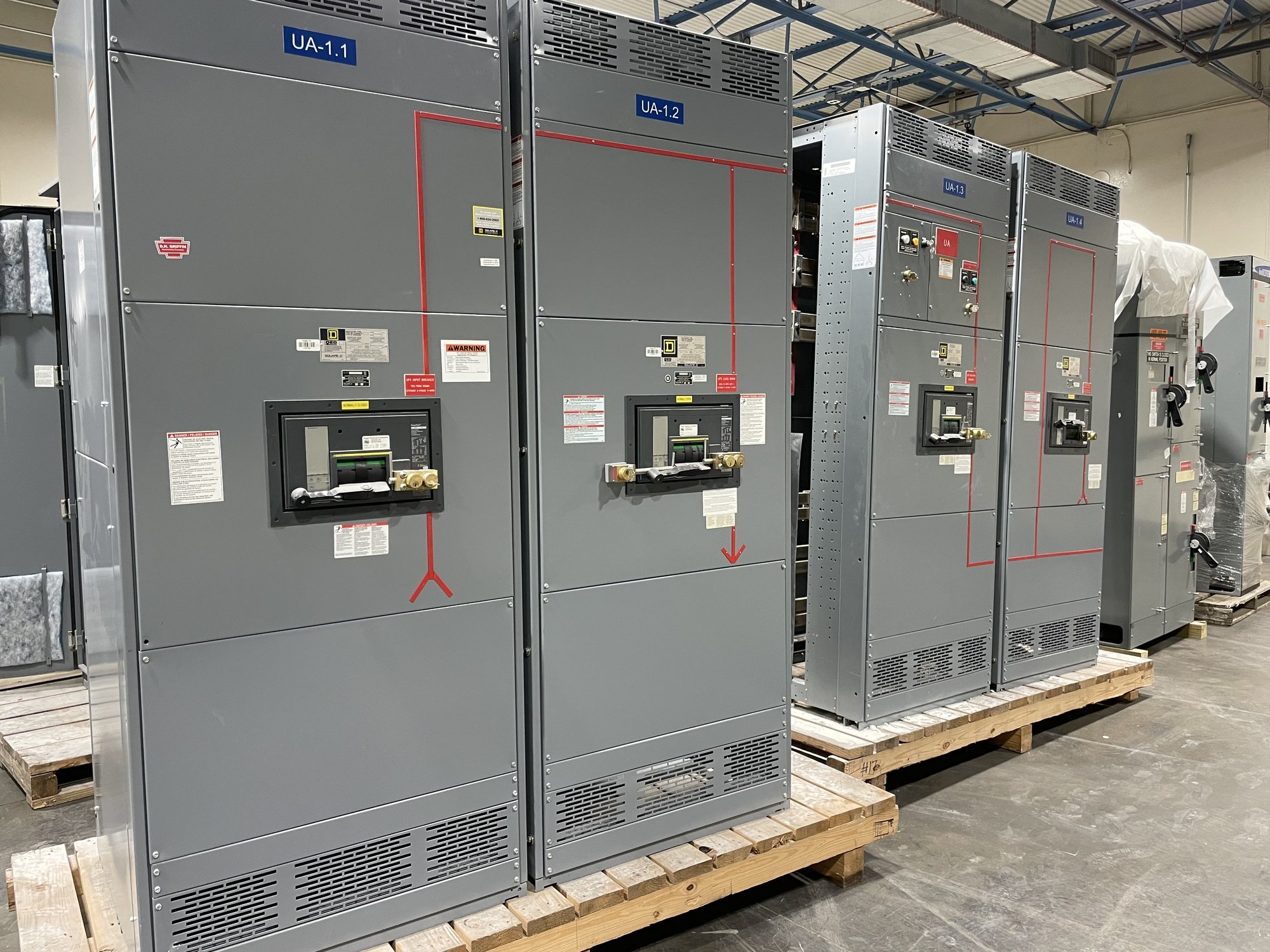
Define the assembly before estimating time
A delivery estimate is meaningful only when it refers to a defined scope. Share the service arrangement, system voltage and phase, bus rating, available fault-current information, main and feeder device requirements, enclosure details, and the number of sections. Include the one-line diagram and any project specifications so engineering can identify questions that affect configuration and fabrication.
Clarify whether the request is for a UL 891 switchboard assembly and identify the applicable project requirements. UL 891 applies to switchboards; it should not be treated as a blanket certification for medium- or high-voltage switchgear. The required equipment type, ratings, design review and applicable approvals must be determined for the specific project.
Use standard arrangements where they fit
A configuration based on established layouts and commonly specified components may involve fewer design decisions than an assembly with unusual section dimensions, special access needs or extensive integration requirements. That can simplify engineering review and purchasing, but it does not establish a guaranteed delivery date. Standard is useful only when the arrangement meets the project’s electrical and physical requirements.
Ask the project team which features are essential and which can be adjusted. For example, confirm whether feeder counts, device frames, metering provisions, cable entry locations and enclosure dimensions are fixed by drawings or can be coordinated. Any proposed simplification must be reviewed by the responsible engineer and, where required, the authority having jurisdiction before it becomes the order scope.
Procurement choices can change the schedule
Component selection influences what must be sourced and when it can be incorporated into production. Specify preferred manufacturers or approved equal requirements only where project documents call for them, and identify any required control, metering, communications or protective devices. American-made components are a focus of our supply approach, but availability and suitability are confirmed for the particular bill of materials.
Early alignment on acceptable options can reduce late substitutions and drawing revisions. If the project allows alternatives, document the performance and interface requirements that an alternate must satisfy. If it does not, identify the exact required components at quotation so procurement can check current availability rather than relying on assumptions about stock or future supply.
Check production capacity for the order scope
Current production schedules change as orders are released, engineering is completed and materials are secured. A preliminary estimate may therefore differ from the schedule available when the scope is finalized. We confirm timing against the specific assembly, component procurement status and production capacity for that order; no general estimate should be treated as a commitment for every configuration.
A clear schedule should distinguish major milestones, such as drawing review, approval, material procurement, fabrication, inspection and shipment planning. Ask which customer decisions or approvals are needed at each stage. Prompt, consolidated comments help avoid preventable holds, while unresolved ratings, device selections or interface details can keep engineering and purchasing from proceeding.
Plan Georgia delivery around site readiness
For a Georgia project, provide the delivery address, requested arrival window, receiving hours, unloading arrangements and any access restrictions when requesting a quote. Nationwide shipping can support projects across the state, but transit planning depends on the order, destination and shipment details. Delivery dates and arrangements are confirmed for the specific order rather than assumed from a broad service-area statement.
Coordinate shipment with the electrical room’s readiness and the installation sequence. Confirm doorway and handling clearances, staging space, rigging responsibilities and whether the equipment will arrive in one shipment or multiple sections. The installing contractor and qualified electrical personnel should review handling, installation and energization requirements against approved project documents.
Make the quotation request actionable
To support a useful schedule review, send the one-line diagram, specifications, equipment quantities, required ratings, preferred configuration, component constraints, drawing approval process, target ship or arrival date, and Georgia delivery details. Note which items are mandatory and which may be evaluated as options. Include the project decision-maker and the date by which a configuration choice is needed.
Before requesting a delivery estimate, gather the current design documents and identify open decisions that could affect components or layout. We can then review the defined scope against current procurement and production conditions and confirm the applicable schedule for the order. This gives the project team a practical basis for coordinating approvals, site readiness and installation planning.