Build the assessment from reliable evidence
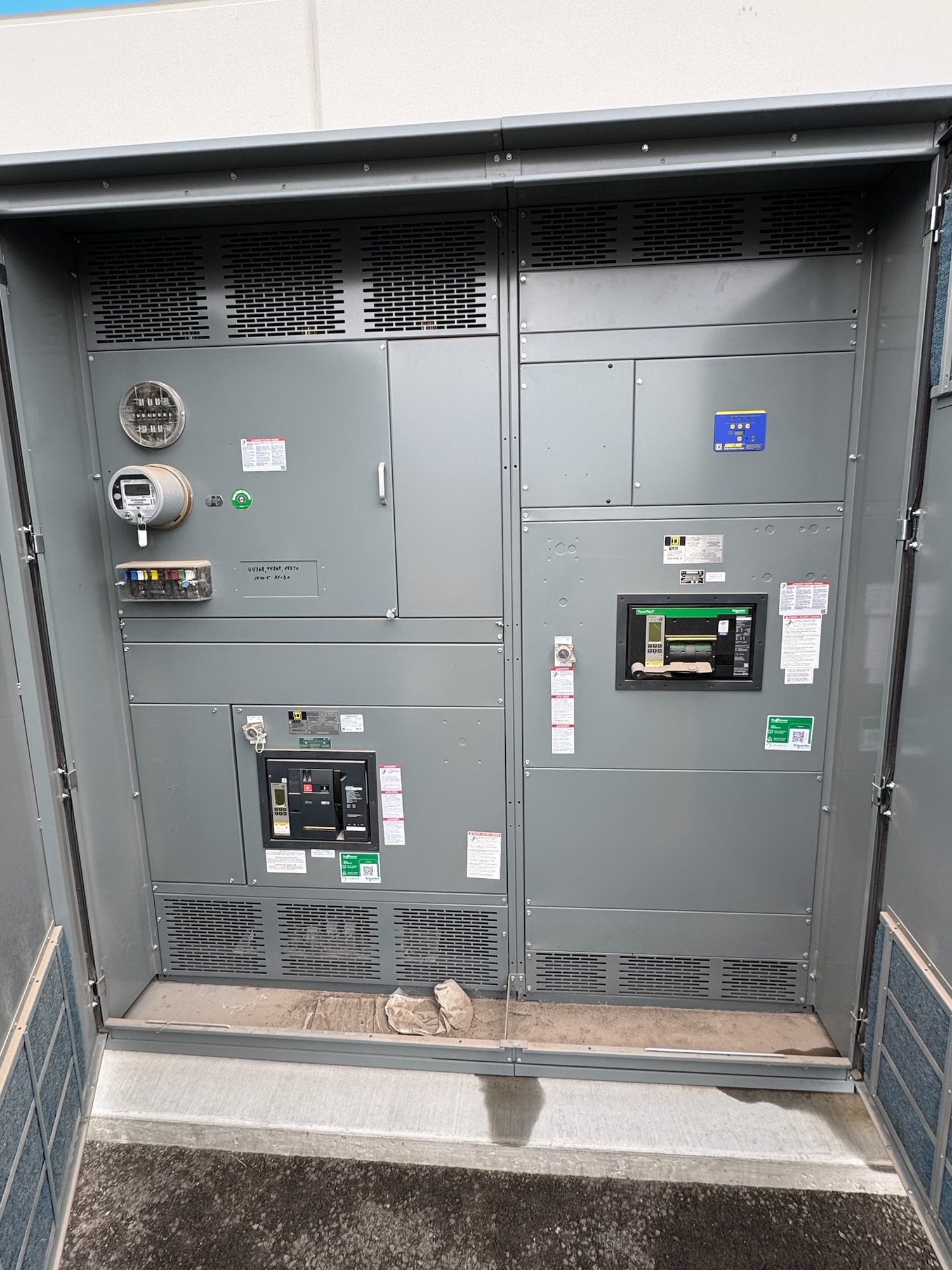
Start with equipment identification and records: manufacturer, model, nameplate data, installation date if known, one-line diagram, maintenance history, and prior inspection or test reports. Record the condition of enclosures, doors, barriers, bus compartments, grounding connections, operating mechanisms, and visible insulation. Photographs and clearly identified panel or section locations make findings easier to verify and compare over time.
An assessment is not a substitute for safe work practices or a complete electrical study. Inspection and testing must be planned and performed by qualified personnel under applicable site procedures, with equipment placed in an appropriate condition for the task. Do not open energized compartments or operate equipment to gather information without the required qualifications, controls, and authorization.
Interpret operating history in context
Ask how the equipment has been used, not only how long it has been installed. Relevant history includes switching frequency, loading patterns, fault interruptions, protective-device operations, unusual sounds or odors, overheating observations, moisture exposure, contamination, and periods of extended inactivity. A documented trip or repair may point to a specific issue, while repeated unexplained events can indicate a broader reliability concern.
Operating conditions affect how findings should be weighed. Frequent switching, high loading, corrosive or dusty environments, vibration, and water intrusion can change inspection priorities. Compare current observations with earlier records where possible, and distinguish confirmed defects from symptoms that need investigation. Missing records are themselves a planning constraint: note what is unknown rather than treating an absence of reported problems as proof of good condition.
Use test results with clear limits
Review test reports for the equipment tested, test date, method, conditions, instrument details where provided, measured values, and acceptance criteria used by the responsible engineer. Results may address insulation condition, contact resistance, protective-device performance, or other components, depending on equipment type and the assessment scope. Trends across comparable tests can be more informative than an isolated value, but only when methods and conditions are sufficiently consistent.
A test result should not be treated as a standalone verdict. A satisfactory measurement does not erase visible damage, an adverse operating history, or a known maintenance concern; an unexpected result may require confirmation and technical interpretation. Ask the testing provider to identify limitations, exceptions, and recommended follow-up. Engineering review should consider the system configuration and protective coordination before translating results into operating or replacement decisions.
Prioritize by condition and consequence
Organize findings by urgency and impact. Evidence of active deterioration, damaged insulation, overheating, unreliable operation, or repeated protective-device problems may warrant prompt engineering evaluation. Other findings may support a defined maintenance task or a scheduled reinspection. For each item, record the evidence, affected section, operational consequence, uncertainty, and decision owner so a priority list can be acted on rather than merely filed.
Risk depends on more than the likelihood of failure. Consider the loads served, redundancy, process or occupant consequences, access to alternate supply, outage windows, repair feasibility, and the time needed to procure replacement equipment. A critical load with no practical backup may justify earlier planning than a similar finding on a readily isolated section. Final operating decisions belong to the facility’s qualified electrical and safety authorities.
Turn replacement findings into a defined scope
When assessment results point toward replacement, use the existing equipment details and system requirements to develop a manufacturer quote request. Share the one-line diagram, voltage and system information, available fault-duty data, bus and feeder arrangement, protective-device requirements, enclosure and environmental needs, cable entry details, and any physical or connection constraints. Identify which information is confirmed and which requires engineering verification.
For new switchboards, clarify whether the project calls for a UL 891 switchboard assembly; that standard applies to switchboards and does not establish a blanket listing for medium- or high-voltage switchgear. Also share required section layout, metering and control functions, options, documentation needs, and preferred outage or delivery window. Exact configuration, availability, and schedule are confirmed for each order.
Coordinate the Georgia project handoff
A useful handoff connects the assessment record to procurement, engineering, and installation planning. Include marked drawings, equipment photographs, test reports, open questions, and the reason replacement is being considered. Confirm who will validate dimensions, interfaces, ratings, and code or authority requirements, as well as who will manage site preparation, removal, installation, and commissioning. Do not assume a new assembly is a direct replacement until those interfaces are checked.
For a Georgia project, provide the delivery site, receiving limitations, access conditions, unloading plan, and the date equipment is needed for the project sequence. Nationwide shipping can support delivery planning, but routing and timing depend on the order and destination. Before requesting a quote, send the assessment findings, equipment identification, system documents, required configuration, and unresolved engineering questions together; this gives the manufacturer a practical basis to define scope and confirm the next steps.