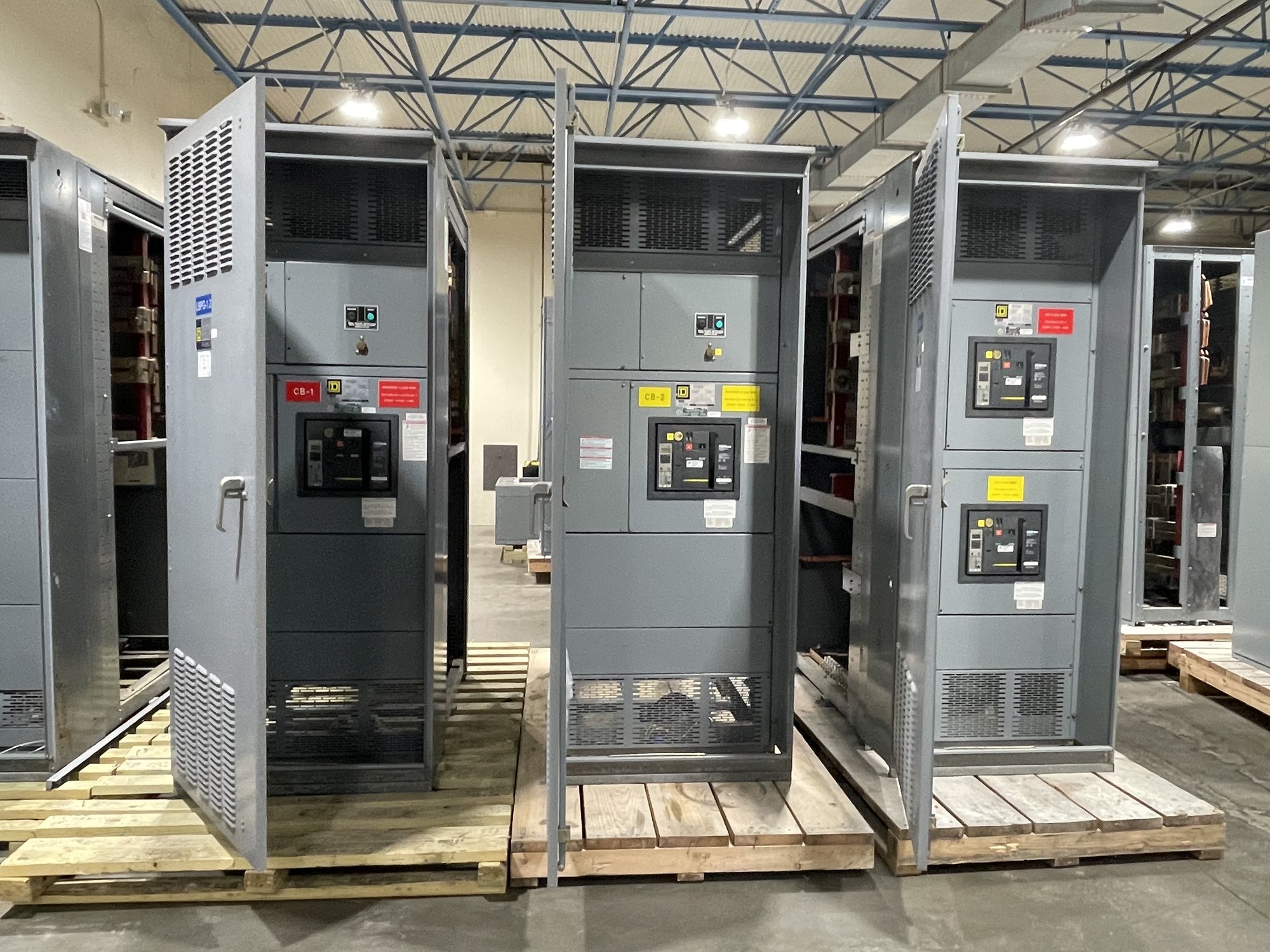
Record the requested change precisely
Start with a written change request tied to the order number and the affected equipment lineup, section, or drawing reference. Describe the requested condition, the reason for the revision, and when the change is needed. Identify affected switchboard sections, circuit designations, quantities, and interfaces so the manufacturer can distinguish a true scope revision from a clarification.
For electrical changes, state the existing and proposed details rather than relying on broad wording such as “add capacity.” Relevant information may include incoming and feeder arrangements, breaker type and frame requirements, bus configuration, metering, control wiring, cable entry, enclosure dimensions, and connection points. Provide marked-up drawings or specifications where available, and flag any information still under review.
Check technical and interface effects
The manufacturer must review whether the requested revision fits the ordered assembly and its interfaces. A feeder change may affect bus arrangement, protective-device coordination information, metering, terminals, wiring, or available section space. Changes to dimensions or cable access can affect room clearances and connections to upstream or downstream equipment. Engineering review should identify what can be accommodated and what additional design information is needed.
Keep the project engineer and relevant electrical design authority involved when a revision changes ratings, protection, system configuration, or installation conditions. The purchaser should not treat a redline or informal conversation as approval of a design change. Any final design and installation remain subject to project engineering and review by the applicable authority; UL 891 applies to switchboard assemblies and does not establish coverage for other classes of switchgear.
Set approval authority before work advances
Agree on who may submit, review, and approve changes. A practical path names the purchaser’s authorized commercial approver, the engineer responsible for technical acceptance, and the manufacturer’s representative responsible for confirming the revised scope. A contractor, field supervisor, or facilities contact may identify a need without having authority to change price, delivery terms, or approved design.
For each request, document the decision: accepted, declined, or pending more information. Record any revised commercial terms and the schedule assessment in the order file, with approval from the parties authorized to commit the project. If the change affects a project specification or owner requirement, obtain the required project-side approval before instructing the manufacturer to proceed. This avoids conflicting directions and unclear responsibility.
Evaluate schedule consequences early
A revision can require engineering rework, new component selection, updated drawings, procurement changes, or a different production sequence. Its schedule effect depends on the order’s current stage and the availability of the revised components; it should not be assumed to leave the original delivery plan unchanged. Ask which milestones are affected, what information is holding review, and whether a decision deadline is needed to protect the current plan.
Request a written schedule assessment alongside the technical and commercial response. It should distinguish confirmed dates from estimates and identify any dependencies, such as receiving final load data or approved connection details. For a Georgia project, confirm the delivery destination, site access, receiving hours, unloading arrangements, and any sequencing constraints. The shipping plan and timing must be confirmed for the specific order rather than inferred from a general service area.
Control drawings and project handoff
Once a change is approved, require a revised document set that clearly identifies the current revision and superseded sheets. Check that affected one-lines, elevations, wiring diagrams, bills of material, and interface details are updated as applicable. The project team should verify that the documents reflect the approved request and communicate relevant changes to the installing contractor, commissioning team, and facility representatives.
Maintain one controlled record containing the request, technical review, approvals, commercial disposition, schedule assessment, and released drawings. Remove obsolete copies from active work areas or mark them superseded so procurement, field installation, and engineering do not work from different versions. Before the next project handoff, confirm who has received the current documents and whether any open decisions remain.
Prepare a complete revision request
For a change quotation or review, share the order reference, requested revision and reason, affected equipment and drawing numbers, marked-up documents, required project approval, and the date a decision is needed. Include known interface conditions, such as connected equipment or site constraints, while clearly labeling assumptions and information still to be confirmed. Ask for the scope disposition, any commercial effect, and a written schedule assessment.
Before authorizing production to follow a revision, compare the response with the request, resolve outstanding technical questions, and obtain approval from the designated project authorities. Then distribute the released drawings and schedule update to everyone responsible for purchasing, installation, and receipt in Georgia. This closes the change loop and gives each team a clear, current basis for the next action.