Identify what may be heard
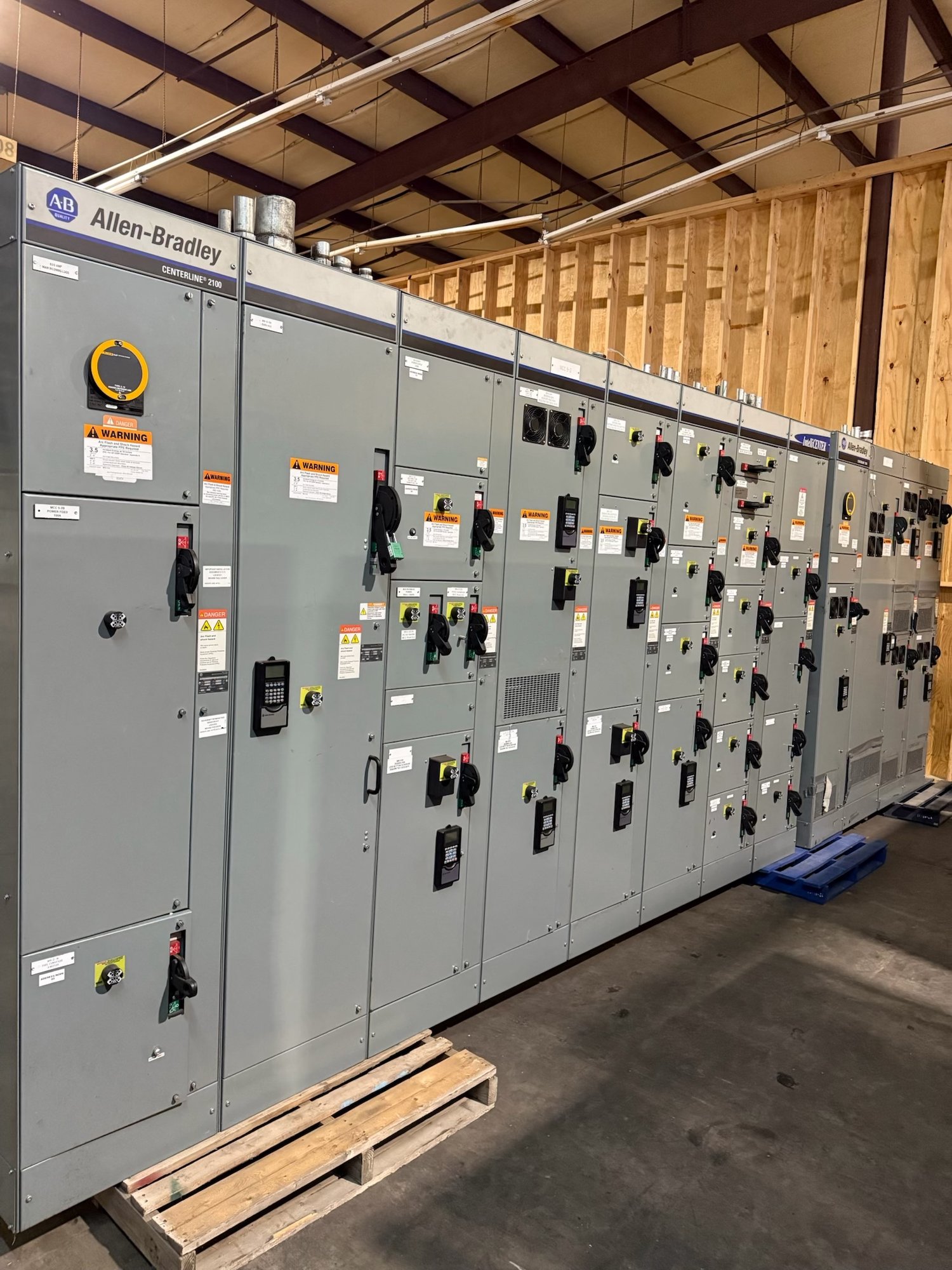
Switchgear can produce a steady electrical hum as energized magnetic components vibrate, while fans and other cooling equipment add broadband air noise. Switching events may create brief, distinct sounds, and vibration can be transmitted through mounting surfaces or connected raceways. The actual sound character and level depend on equipment configuration, operating conditions, room acoustics, and installation details; do not assume one value applies to every assembly.
Ask the design team to distinguish continuous background sound from intermittent events and from vibration felt or measured in adjacent spaces. Note whether the concern is speech privacy, sleep, concentration, clinical activity, sensitive instruments, or a noise criterion established for the project. This gives the equipment specification a functional target without claiming that a switchgear manufacturer can determine building-wide acoustics alone.
Choose location with sound paths in mind
A room directly below, above, or beside a quiet occupancy can create a shorter transmission path than a more remote electrical room. Shared slabs, columns, lightweight partitions, doors, and penetrations can carry or leak sound. Review equipment placement alongside room adjacencies, structural framing, access routes, required working clearances, ventilation, and conductor routing rather than selecting a location solely for convenience.
For projects with sensitive occupancies, coordinate the electrical room location with the architect, structural engineer, acoustical consultant, and mechanical engineer. Consider whether a separation joint, isolated support, heavier partition, sealed penetration, or different room adjacency is feasible, subject to their design review. Georgia heat and humidity can also influence cooling and ventilation decisions, so acoustic measures must not obstruct airflow or equipment access.
Specify the operating and acoustic context
A useful request for quotation describes the intended installation, not just the switchboard lineup. Share the proposed room location, nearby occupancy, operating schedule, expected loading or operating modes, cooling approach, and any project sound or vibration criteria. Identify whether the assembly will be indoors or outdoors and whether it sits on a slab, housekeeping pad, raised floor, or other support. These details help clarify what information can be confirmed for the proposed configuration.
Ask whether available product data addresses sound or vibration, under what conditions it was obtained, and whether it applies to the exact proposed assembly. If a project requires a measured limit, define the measurement location, operating condition, frequency weighting, and acceptance method with the acoustical engineer. Avoid inserting a generic sound figure into procurement documents when the test basis and installation context are unknown.
Treat vibration as a structural coordination issue
Equipment vibration can travel through a base, anchors, floor framing, conduit, bus connections, or other rigid interfaces. The resulting concern may be audible in a neighboring room, perceptible at a work surface, or relevant to sensitive instrumentation. The route matters: adding isolation at one support point may not help if a rigid connection provides a parallel path. Structural and acoustical professionals should assess the complete support and connection arrangement.
Provide the equipment supplier with support conditions, available footprint, anchorage assumptions, and any project isolation requirements before the configuration is finalized. Confirm who designs and furnishes pads, isolators, inertia bases, flexible connections, and related details. These choices can affect alignment, access, conductor connections, seismic or structural design, and installation sequencing; they should not be improvised in the field.
Align procurement with the building design
Noise-sensitive projects benefit from an early review of enclosure, ventilation, access, and room layout against the electrical one-line and equipment schedule. A custom-built configuration may address project-specific arrangement needs, but changes to barriers, cooling openings, or mounting details require engineering coordination. UL 891 applies to switchboard assemblies; it is not a blanket listing for medium- or high-voltage switchgear, and it does not establish an acoustic performance level.
For a Georgia quote, send the one-line diagram, equipment schedule, available room and access dimensions, delivery location, requested configuration, and any written acoustic or vibration criteria. Include the adjacent occupancy and the project milestone for submittal review. American-made components, short lead times, and nationwide shipping may support planning, but exact scope, availability, and schedule are confirmed for each order.
Close the handoff before installation
The approved submittal should make clear which sound or vibration information is product-specific, which limits belong to the building design, and who verifies performance after installation if the project requires testing. Record accepted support details, room interfaces, ventilation provisions, and any exclusions. Coordinate delivery access and setting sequence with the Georgia site team so the specified assembly can reach its final location without unplanned structural or routing changes.
Before requesting a quote, identify the quietest adjacent space, the required operating condition, the project’s measurement or vibration criteria, and the proposed mounting and connection details. Send those items with the electrical documents and ask the project engineer and acoustical consultant to resolve open acceptance requirements. This focused handoff makes noise and vibration concerns reviewable before equipment and room arrangements are committed.