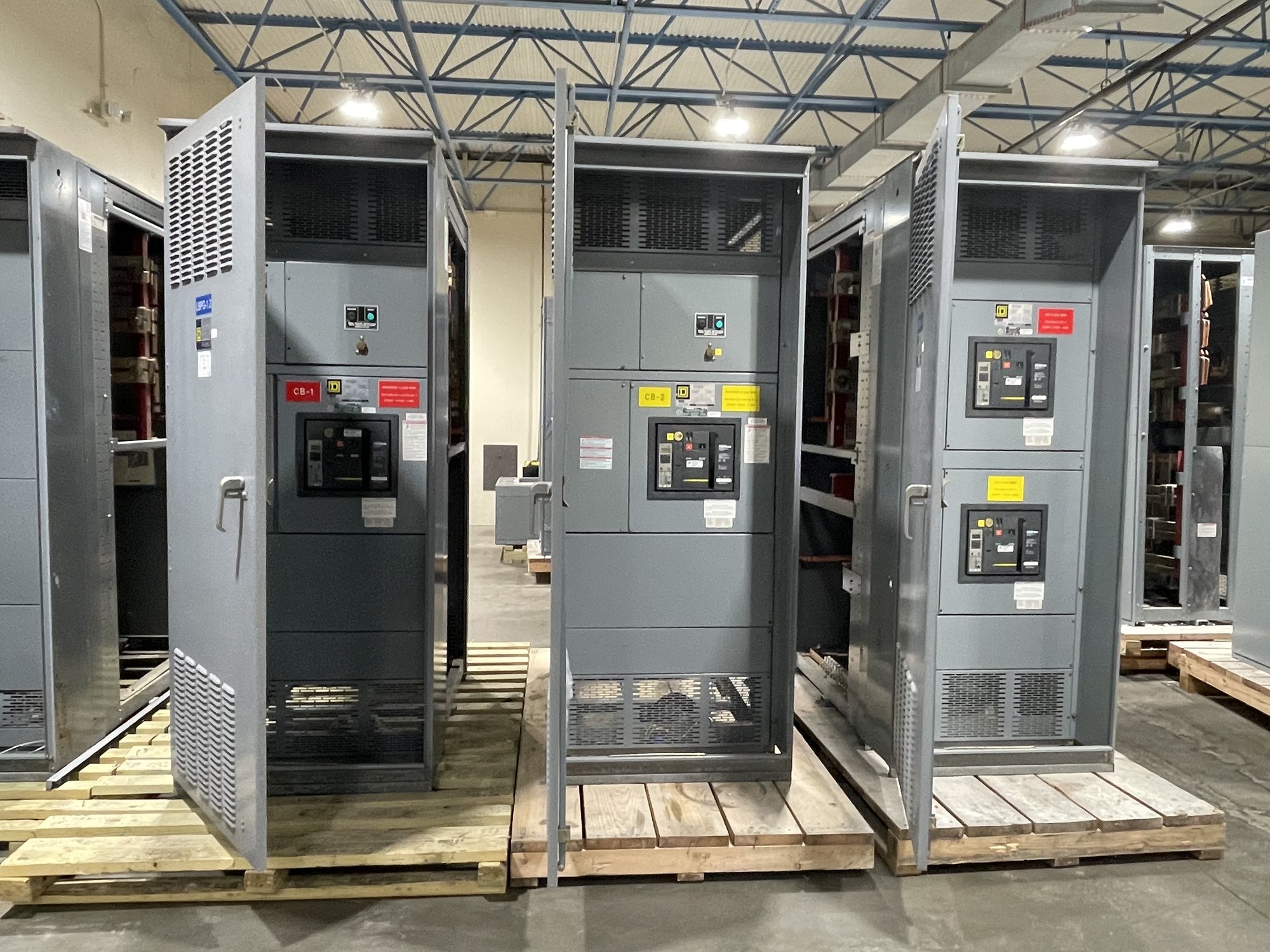
Establish a clear equipment identity
Start each record with enough detail to distinguish one assembly from another: facility and room, equipment designation, manufacturer, model or catalog information, serial number where available, installation date, and the served system or load. Record the lineup, section, and compartment identifiers used on drawings and labels. Consistent naming helps teams match field observations to the correct one-line diagram, work order, and test report.
Capture the equipment type and documented ratings from approved nameplates and submittals, such as voltage class, current rating, interrupting information where applicable, and enclosure details. Do not infer missing data from a similar lineup or an old drawing. Note unreadable or conflicting identifiers for engineering review, and retain photographs of nameplates and major sections when site procedures permit.
Keep test results tied to conditions
Store each inspection and test report with the asset record, including the date, scope, equipment condition, test method, instrument identification, and the qualified personnel or service organization responsible. Record results in their original units and preserve the report’s acceptance criteria and stated limitations. A pass/fail summary alone can hide trends and makes it harder to compare future results.
Identify the exact device or connection tested, its location, and the work performed before testing. Where the report includes contact resistance, insulation measurements, timing, or other electrical test data, retain the measured values and relevant conditions rather than transcribing only selected figures. Engineering and the equipment manufacturer should determine what tests are appropriate; records should not be treated as authorization for unqualified work.
Document settings and their authority
For protective devices, record the device identifier, function, installed hardware or trip-unit type, firmware information when relevant, and the approved setting values. Preserve the settings file or coordination-study reference and identify its revision, approval date, and responsible engineer. For adjustable devices, document the actual field setting after authorized work, not simply the intended value shown on a draft schedule.
A setting change can affect coordination and system behavior beyond the switchgear compartment. Link the change to its work order, engineering approval, reason, and verification results, and identify any related drawings or study revisions. If the installed settings differ from the approved record, flag the discrepancy for qualified review instead of silently replacing one value with another.
Build a traceable repair history
For every repair or maintenance event, record the date, affected section or device, reported condition, findings, corrective action, parts replaced, and any follow-up recommendation. Attach work orders, inspection notes, test reports, and relevant photographs. Distinguish observed facts from suspected causes, and state whether the issue was resolved, remains open, or needs further evaluation.
Document replacements precisely enough to show what changed, including manufacturer and part identification when available, configuration differences, and any required engineering review. Retain removed-device identifiers where records or site procedures require them. This history gives future teams context for recurring conditions and helps procurement identify a replacement or modification without assuming that a present-day configuration matches the original.
Control configuration and drawing revisions
Treat the record as a controlled history, not a folder that overwrites older files. Keep dated revisions of one-line diagrams, elementary or wiring diagrams, bills of material, labels, and setting schedules. For each change, note what prompted it, who reviewed or approved it, when it was implemented, and which documents reflect the as-left condition. Mark superseded information clearly while retaining it for traceability.
Before a project handoff, reconcile field labels and equipment identifiers against the current drawings and asset list. Identify discrepancies, open punch-list items, and documents still awaiting approval. Provide the receiving facilities team with an organized index and explain where controlled records will be maintained. Clear revision ownership prevents contractors, operators, and engineers from relying on different versions.
Plan records for new equipment and delivery
When purchasing new switchgear, define the asset-record deliverables with the equipment scope. Ask what identification data, approved drawings, test documentation, device lists, and final configuration information will be supplied, in what format, and at what project stage. Share the facility’s naming convention, drawing standards, required handoff structure, and any interfaces with a computerized maintenance system before submittals are prepared.
For a Georgia project, coordinate the delivery destination, receiving contact, site access, unloading arrangements, and the date records are needed for installation planning. These details support a practical handoff but do not establish availability or a delivery schedule; scope, configuration, and timing are confirmed for each order. Share the required switchboard type, ratings, lineup arrangement, documentation expectations, destination, and target project dates when requesting a quote. After receipt, verify the delivered identification and record set against approved submittals, then assign an owner to maintain the history.