Start with the maintenance task
Describe the work that the equipment must support: inspection, component replacement, cleaning, testing, or another planned task. Identify the affected circuits and the loads that should remain energized, if the operating plan allows. A maintenance isolation section can help organize access and switching points, but it does not by itself establish a safe work condition or permit work on energized equipment.
Share the system one-line diagram, existing lineup arrangement, and planned operating sequence when requesting a configuration. Explain whether maintenance occurs during a scheduled outage or while other sections continue operating. The design team can then assess the required boundaries and interfaces rather than assume that a generic isolation arrangement matches the facility’s procedure.
Define boundaries and switching provisions
Specify the source, load, and equipment sides of each intended isolation boundary. Identify the devices operators expect to open, withdraw, or otherwise operate, along with any required visible indication, interlocking, or provisions for applying locks and tags. The selected switching equipment and its arrangement must match the system design and the approved operating procedure.
Clarify whether the requested section is part of a UL 891 switchboard assembly or another type of switchgear. UL 891 applies to switchboards; it is not a blanket listing for medium- or high-voltage switchgear. For any assembly, engineering review must establish applicable standards, ratings, construction details, and the scope of evaluation. Do not treat a section designation as proof of certification or suitability.
Coordinate access with adjacent sections
Maintenance access depends on how the isolation section fits into the full lineup. Provide the lineup elevation or dimensions, bus arrangement, cable entry direction, and locations of adjacent compartments. Note doors, barriers, withdrawable devices, control wiring, and service clearances that could affect the intended task. These details help reveal conflicts before fabrication and clarify what work can be performed without disturbing neighboring equipment.
Ask how the proposed arrangement affects continuity of service and the extent of an outage. Isolation of one section may still require upstream or downstream switching, and shared bus, control, or protection circuits can affect what remains available. Have the facility’s electrical engineer determine the sequence and boundaries; equipment layout should support that reviewed plan, not substitute for it.
Resolve ratings and control interfaces
Include system voltage, frequency, available fault-current information, required continuous-current ratings, and protective-device details in the specification. Identify grounding method, neutral requirements, metering, relaying, and control power where applicable. These inputs allow engineering to evaluate devices and bus interfaces for the actual system rather than rely on a maintenance-section name to imply a rating.
List any signals or interlocks tied to the isolation sequence, including remote status indication or coordination with facility controls. Provide control schematics and device schedules when available, and identify which party is responsible for field wiring and integration. Confirm the final scope, configuration, and availability for the order; American-made components and custom-built arrangements may be considered, but neither establishes a particular component source or schedule without confirmation.
Prepare a complete quote package
For a useful quote, send the one-line diagram, lineup elevation, equipment schedule, system ratings, and the written maintenance scenario. State which circuits must be isolated, which loads must stay in service, the preferred switching devices, access constraints, and any applicable project specifications. Mark open engineering decisions instead of presenting assumptions as settled requirements.
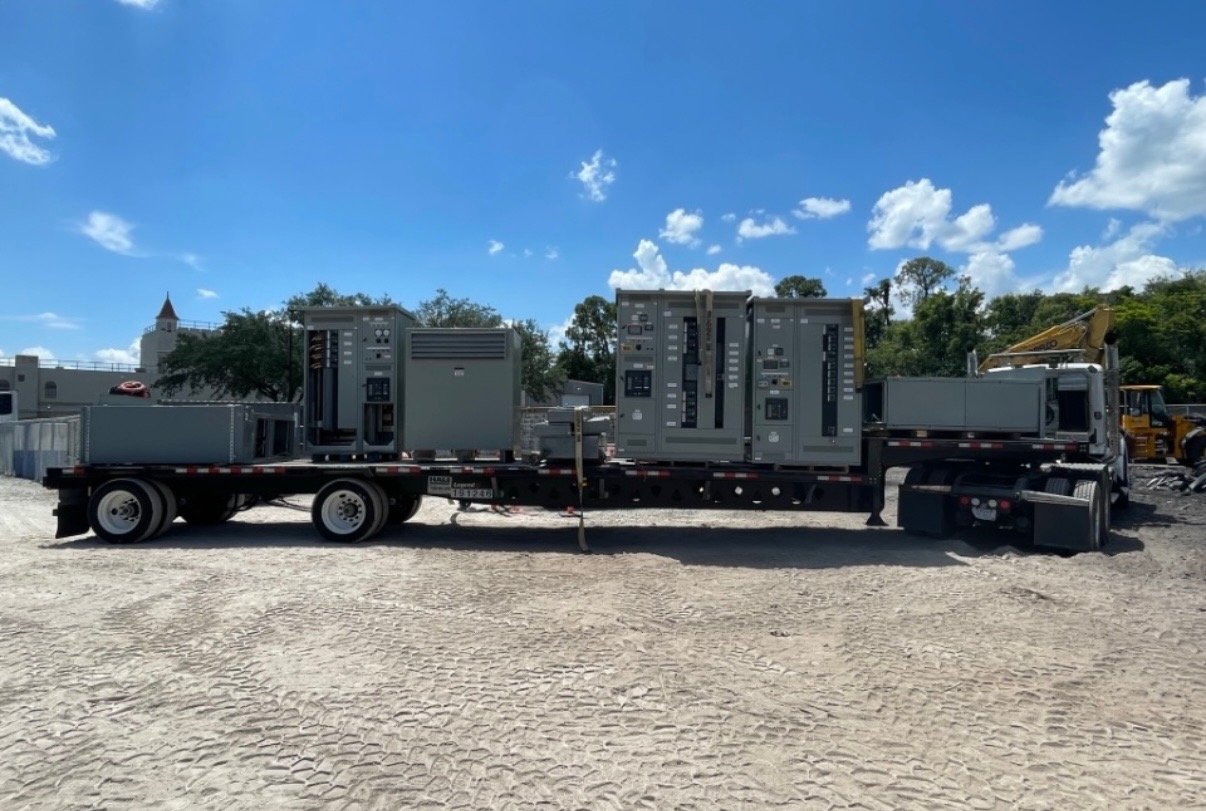
Include the project location in Georgia, receiving conditions, delivery access, required submittal milestones, and the date the equipment is needed on site. Nationwide shipping can be coordinated to the project, but the route, delivery scope, and timing depend on the order and must be confirmed. Account for unloading, indoor movement, storage, and the contractor’s installation sequence when planning shipment.
Close the handoff before fabrication
Before release, review approved drawings against the operating plan, one-line diagram, protection scheme, and field interfaces. Resolve device designations, labels, compartment access, cable connections, control terminals, and the responsibility for any field modifications. The facility engineer and other authorized project reviewers should confirm that the proposed equipment supports the intended procedure and meets project requirements.
After delivery, coordinate installation, testing, and commissioning through qualified personnel under the project’s approved plans and applicable authority review. For a quote, submit the maintenance task, isolation boundaries, system data, lineup documents, and Georgia delivery requirements together. That package gives engineering and procurement a practical basis to confirm configuration, scope, and schedule before an order is finalized.