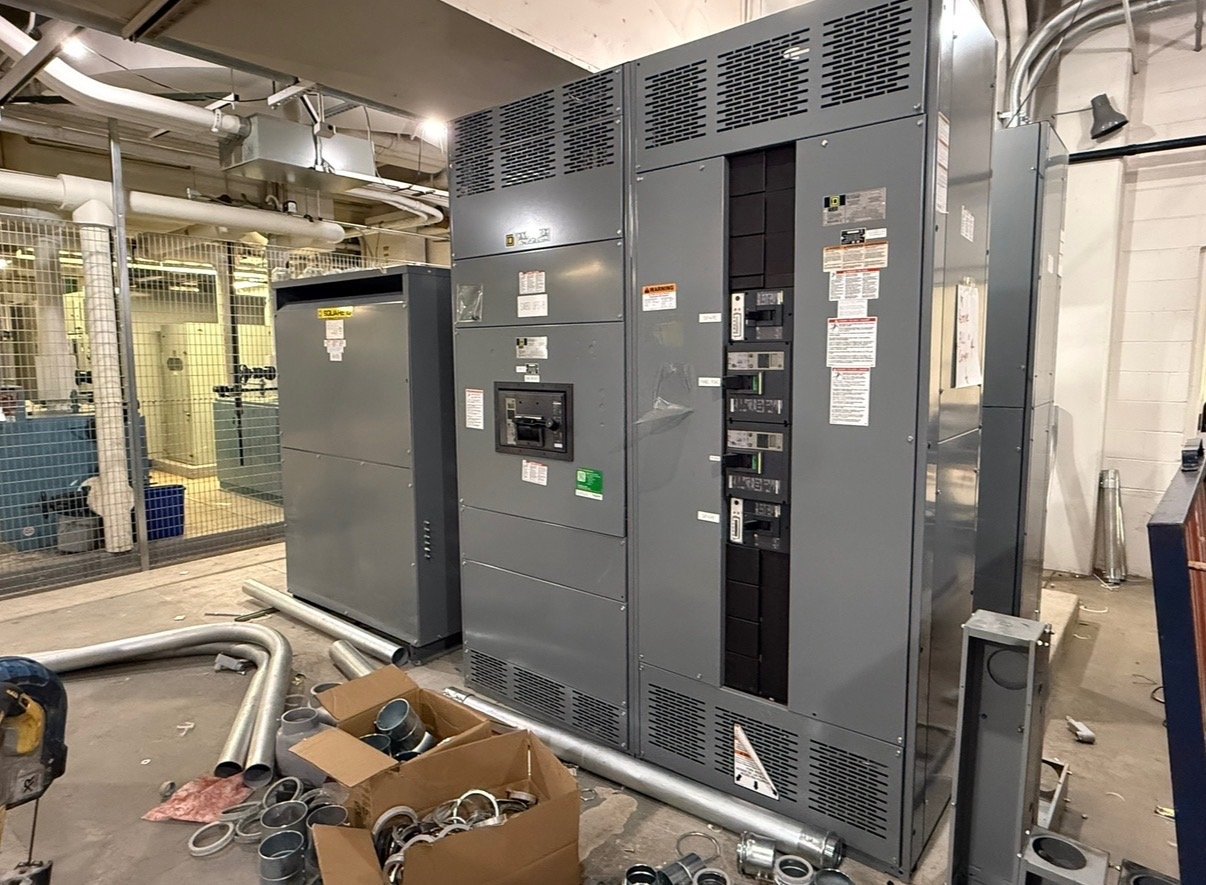
Start with equipment identity
“Medium-voltage switchgear” can describe equipment with different construction, insulation systems, and test boundaries. Identify whether the scope is metal-clad switchgear, metal-enclosed equipment, a switchgear assembly with connected cable, or another configuration. Record the nameplate information, voltage class, manufacturer, model, and available drawings. Do not assume a test method or voltage applies across these categories.
Define exactly what is to be tested: a bus section, breaker, cable, instrument transformer, or assembled lineup. Connected components can have different dielectric limits, and a test across an entire circuit may expose components that are not intended to receive the same stress. Drawings and a clear boundary help engineering determine what must be isolated and what remains in scope.
Clarify the reason for testing
The test objective affects the decision. A factory test on new equipment, commissioning checks after installation, investigation following a fault, and assessment of equipment that has been in service are not interchangeable activities. Specify which question the test is intended to answer, such as verifying a new assembly against its approved requirements or evaluating insulation after a defined event.
Withstand testing applies electrical stress; it is not a universal diagnostic or a substitute for inspection. A result must be interpreted in relation to the test method, equipment condition, and acceptance criteria. If the concern is moisture, contamination, visible damage, or an unexplained trip, provide that history so the responsible engineer can consider whether inspection or another assessment should precede a withstand test.
Use manufacturer guidance as a boundary
Obtain the applicable installation, operation, and maintenance instructions, along with any factory test documentation available for the specific equipment. Confirm the manufacturer’s prescribed method, voltage, duration, connections, and preparation requirements rather than importing values from a different product or a general reference. For a custom-built assembly, request the project-specific test documentation and identify any departures from standard construction.
If instructions are missing or conflict with the proposed procedure, pause specification until the discrepancy is resolved by qualified engineering review and, where appropriate, the manufacturer. Clarify whether the guidance addresses the complete assembly or only individual components. A breaker, cable termination, surge arrester, or voltage transformer may need isolation or separate treatment; assumptions about these details can invalidate the planned test or damage equipment.
Account for age and condition
Condition changes the risk-benefit decision. Record service age where known, operating history, storage conditions, prior testing, maintenance findings, and any exposure to water, dust, heat, or fault current. Note visible tracking, cracking, corrosion, loose connections, or contamination, but do not treat a visual inspection alone as proof that insulation can withstand a particular test.
For in-service equipment, a test that was suitable when new may not be appropriate after years of operation or a damaging event. Insulation condition and construction details matter, and test stress can reveal weakness by causing failure rather than merely identifying it. The engineer responsible for the equipment should weigh the test’s purpose and potential consequences against other examination methods and the manufacturer’s recommendations.
Set the scope before procurement
A useful request for quotation identifies equipment type, manufacturer and model if known, voltage class, lineup or component boundaries, test purpose, condition, and the documents available for review. Include the desired test location, whether equipment is new or existing, and any known connected devices that may require isolation. Ask what test procedure and acceptance basis are proposed, and what information is needed to confirm suitability.
For new switchgear, coordinate the requested withstand test with the equipment specification, approved drawings, and factory documentation before release. Do not treat UL 891 as a medium-voltage withstand-test criterion: UL 891 applies to switchboard assemblies, not as a blanket listing or test standard for medium-voltage switchgear. Confirm the applicable equipment requirements and test scope for the actual design.
Coordinate delivery and handoff
For a Georgia project, align the equipment delivery plan with the site’s receiving capacity, access, unloading arrangements, and installation sequence. Nationwide shipping can support delivery to the project location, but timing and shipment details depend on the order and are confirmed for each project. Coordinate the planned test stage with the construction schedule so that documentation and any required test preparation are available when needed.
Before authorizing work, have the responsible engineer approve the equipment boundary, procedure, test limits, isolation plan, and acceptance criteria. Share the approved drawings, manufacturer instructions, prior test records, and condition history with the qualified testing team. After testing, retain the procedure, actual test conditions, results, deviations, and disposition with the equipment record. This creates a defensible handoff and a clear basis for deciding whether equipment is ready for the next project stage.