Start with the governing contract
Before requesting an origin statement, locate the exact contract clause, solicitation provision, funding condition, or owner requirement that applies. Terms such as “Buy American,” “Buy America,” and “domestic preference” can refer to different statutes, regulations, agency rules, or project-specific commitments. The title alone does not establish which test applies, which products are covered, or what evidence the purchaser must retain.
Ask the contracting officer, owner, or compliance lead to identify the controlling clause and any amendments. Confirm whether the requirement applies to the switchboard, separate switchgear, feeder equipment, controls, or individual components, and whether exceptions or waiver procedures are relevant. Record the project’s required definitions, threshold calculations, certification format, and submission timing. Do not substitute a general manufacturer declaration for the precise contractual obligation.
Define the equipment and origin questions
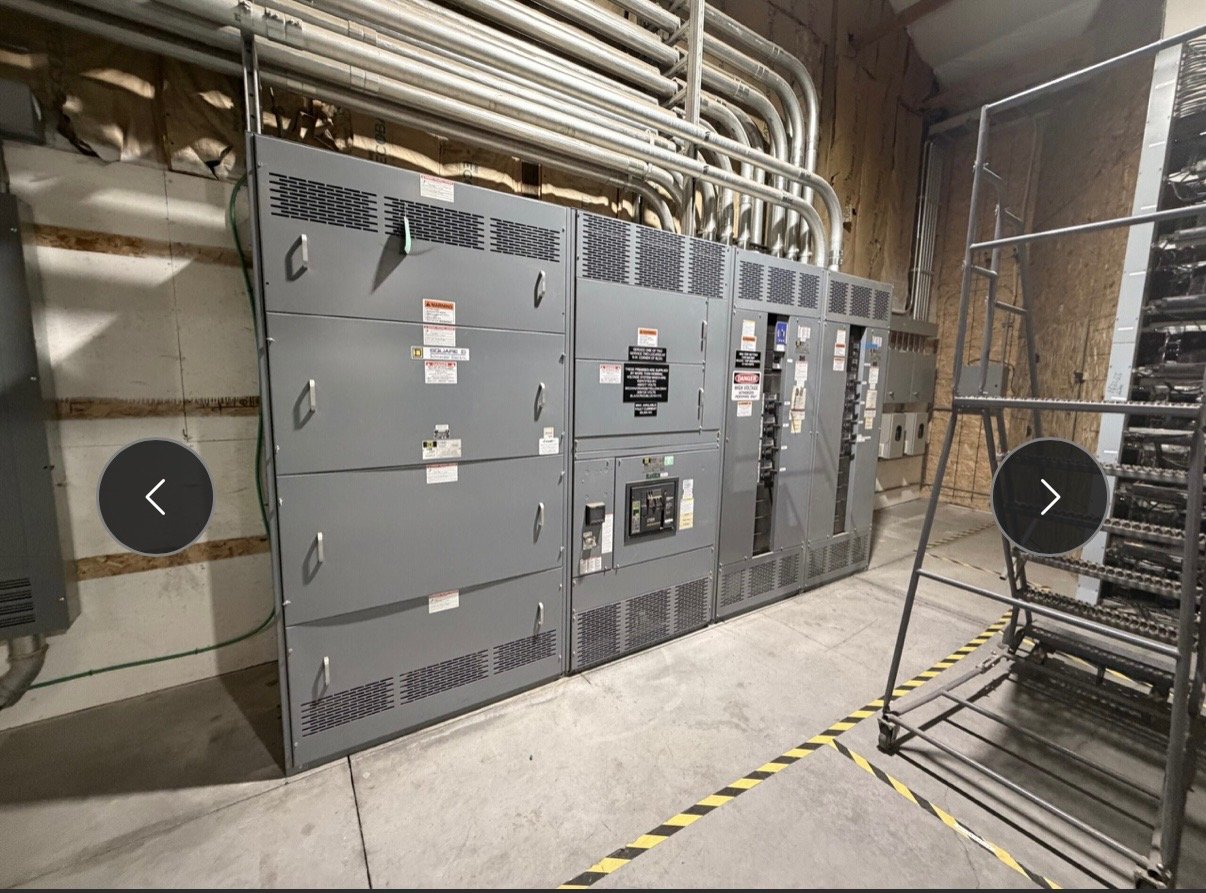
Origin review is more useful when the equipment description is specific. Share the intended equipment type, system voltage, service and feeder arrangement, protective devices, metering, enclosure, and any custom sections or options. Identify whether the scope is a UL 891 switchboard assembly or another class of equipment; UL 891 addresses switchboards and does not establish domestic origin or serve as a blanket certification for medium- or high-voltage switchgear.
Ask what the contract treats as the relevant product and how it evaluates domestic manufacture, component origin, or cost content. A finished assembly may include parts from different sources, and the applicable rule may distinguish assembly location from component origin. Request that any answer state its scope and assumptions rather than implying that every part is domestic. Origin and availability must be confirmed for the actual proposed configuration.
Request records with clear scope
For a quote, provide the governing clause or a concise summary approved by your compliance team, the project name or reference, required equipment description, and the date by which documentation is needed. Ask which records the manufacturer can provide for the proposed assembly, such as a signed origin declaration, an itemized description of covered equipment, or available supporting material describing manufacturing and component sourcing. The record should identify the applicable rule and the precise products it addresses.
Clarify whether the procurement package requires a prescribed certification form, named signatory, notarization, supplier attestations, cost breakdown, or records suitable for audit. Do not assume that confidential supplier details, bills of material, or country-of-origin records are automatically available in the format an owner expects. Agree on what can be furnished, what remains subject to confirmation, and whether the purchaser must collect additional documentation from other project suppliers.
Assess evidence against the rule
Compare each document with the actual contractual test, not just its wording. Check that the equipment model or scope matches the approved submittal, the statement uses the required definition of domestic production, and any stated percentage or component calculation follows the contract’s method. Confirm that dates, revision levels, and covered options align with the final quote and purchase order. A broad claim without defined scope may not answer the project’s compliance question.
If records appear incomplete or conflict with the clause, pause the compliance determination and route the issue to the contracting authority or qualified procurement counsel. Ask the manufacturer to clarify factual statements about the offered equipment; do not ask it to interpret the owner’s legal obligations or certify facts beyond its supporting records. Document the resolution and retain the clause, correspondence, declaration, approved submittals, and final equipment description together.
Coordinate engineering, schedule, and Georgia delivery
Origin requirements can affect equipment selection and sourcing, so raise them before engineering freezes the configuration. For a quote, share the project location in Georgia, delivery point, required ship window, drawings or one-line diagram, system conditions, and specification sections that govern the assembly. Identify any required domestic content calculation, excluded components, approved-equal process, or submittal milestone. These details let the manufacturer review documentation needs alongside the technical scope.
Georgia delivery planning should account for the site’s receiving hours, unloading arrangements, access limitations, storage conditions, and the date equipment must be available for installation. Nationwide shipping can be arranged, but routing, availability, and timing depend on the order and are confirmed for that project. Reconfirm the final origin-document scope when approved changes affect sections, devices, or sourcing, and align the shipping release with the owner’s records review.
Close the procurement file before release
Set a clear handoff among purchasing, engineering, the owner, and the receiving team. Before issuing a purchase order, verify that the proposed equipment description and requested evidence are consistent with the contract and that unresolved exceptions have an authorized path. At submittal approval and before shipment, check revisions and confirm whether the origin statement still covers the ordered configuration. Keep the document set with procurement records for later review.
For a practical quote request, send the controlling clause, equipment scope, Georgia ship-to location, documentation form, review deadline, and any audit or retention requirements. Ask for a written statement of what records are available and what assumptions or limitations apply. This gives the project team a specific basis to assess the offered new equipment, resolve gaps with the proper authority, and complete procurement without treating a generic origin claim as proof of compliance.