Name the delivery point precisely
A shipping destination should identify more than a city or project name. Confirm the receiving address, designated entrance or dock, site contact role, receiving hours, and any access limits that affect a truck or large enclosure. For a Georgia project, note whether delivery is to a staffed warehouse, a construction site, or another agreed location; those destinations can require different coordination.
Clarify whether the freight term ends at a carrier terminal, a receiving dock, or another named point. Do not assume that delivery to an address includes placement inside a building, movement across a site, or transport to the final electrical room. Share gate restrictions, road conditions, overhead clearances, construction-phase access, and appointment requirements when requesting a quote.
Assign unloading and placement
State who will provide the equipment and qualified personnel for unloading. Depending on the shipment configuration and site conditions, the receiving plan may require a forklift, crane, rigging crew, dock, or other suitable resources. Confirm required capacity and handling points against the approved equipment information rather than estimating from a general switchgear description.
Separate unloading from indoor movement and final setting. A carrier may deliver to the agreed point without providing rigging, skidding, positioning, or installation. Identify who controls those activities, who verifies the route and floor or pad readiness, and when the receiving area will be available. Only qualified personnel should handle or install electrical equipment, following approved instructions and site procedures.
Set transit coverage and risk terms
Purchase documents should say who arranges freight, what transit coverage applies, and when responsibility for loss or damage changes hands. Ask whether insurance is included in the quoted freight arrangement or must be addressed separately, what value is declared, and how a claim must be documented and submitted. Do not treat carrier insurance, freight charges, and title or risk transfer as interchangeable terms.
Match the written terms to the order and carrier documents, including any exclusions, deductibles, or limits that apply. If a shipment will be routed through a terminal or held before delivery, establish who is responsible during that interval and who authorizes storage or re-delivery. The applicable terms and coverage should be confirmed for the specific order before shipment is arranged.
Plan for shipment splits
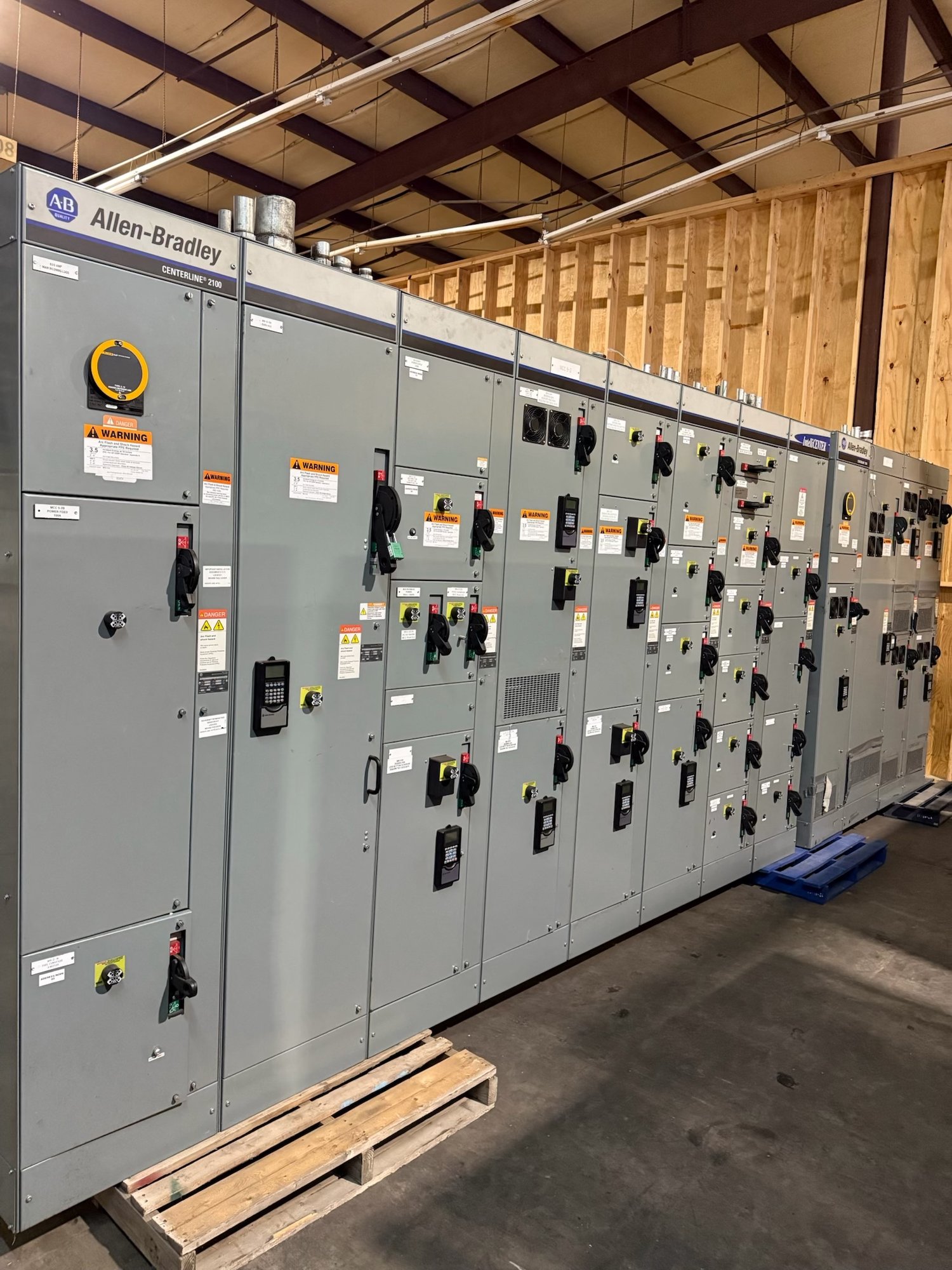
Custom-built switchgear may involve multiple sections or associated items, and the shipping plan should state whether the order is expected to travel together or in separate shipments. Ask which assemblies, loose-shipped parts, drawings, or accessory packages are included, how each will be identified, and whether the shipment sequence affects receiving or installation. Confirm the final scope against the order documents.
A split delivery can create storage, security, and coordination needs at the project site. Decide where each shipment will be received, who will reconcile it against packing records, and how long materials can remain in the designated area. If the project needs a particular sequence or consolidated arrival, communicate that requirement during quoting; availability and timing are confirmed for each order.
Inspect and document on arrival
Before signing the delivery receipt, inspect the exterior packaging and accessible equipment surfaces for impact, punctures, moisture, displaced components, or other visible concerns. Compare package counts and identifying marks with the shipping documents. If there is visible damage or a shortage, record specific observations on the receipt, take photographs, and notify the carrier and the designated order contact promptly.
Keep packaging and damaged materials in place until the next steps are agreed, and do not energize or handle equipment that may be compromised. Follow the carrier’s claim instructions and the purchase terms for required notices and supporting records. A clean receipt should reflect the condition actually observed; it should not replace a careful check or prevent reporting a concealed issue when discovered.
Align freight terms with the project
For a Georgia delivery, coordinate the delivery window with site readiness, local access rules, receiving staff, and the planned installation sequence. Provide the ship-to address, requested delivery point, unloading method and responsible party, receiving hours, access constraints, insurance expectations, and any preference for combined or split shipments when requesting a quote. Also identify who will inspect and sign for each arrival.
Before releasing the purchase order, compare the freight language with the project schedule and receiving plan, then resolve unclear responsibilities in writing. Confirm the agreed destination, unloading scope, transit coverage, shipment sequence, and damage-reporting process for the specific order. This gives procurement, the carrier, and the installation team a shared handoff plan without assuming a delivery service or timeline that has not been confirmed.