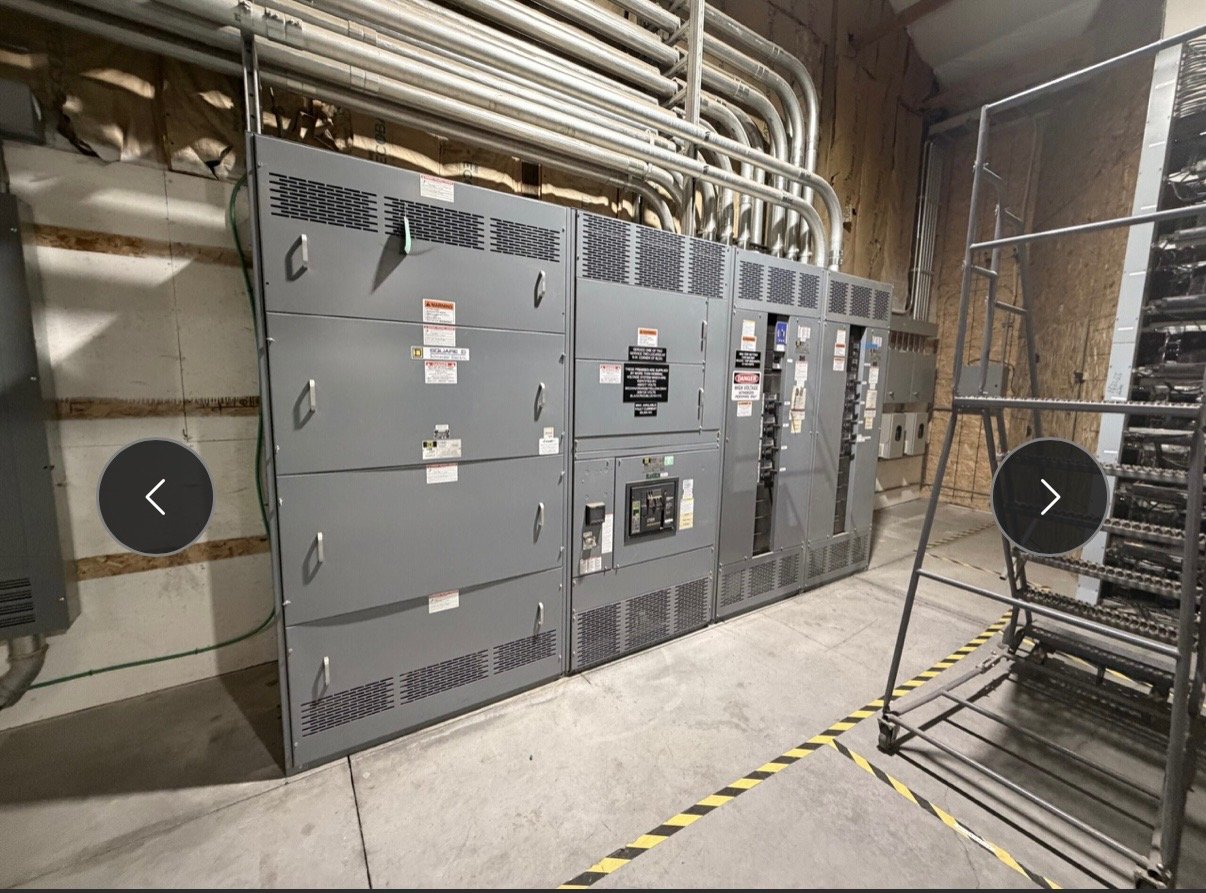
Define the equipment supply
Start by stating exactly what the manufacturer is to furnish: the switchboard or switchgear assembly, its sections and devices, specified accessories, and the drawings and records included with the order. Identify the applicable one-line diagram and specification revision, system voltage and configuration, service or distribution function, and any required dimensions or connection arrangements. For UL 891 switchboard assemblies, identify that standard where it applies; it does not establish coverage for medium- or high-voltage equipment.
Ask whether the quoted scope includes loose-shipped items, spare parts, special tools, interconnecting hardware, or field-installed accessories, and list any exclusions. Confirm whether the proposal is based on the submitted documents or assumes details that still need resolution. American-made components and custom-built configurations can be considered against the project requirements, but component selection, availability, and the final assembly scope must be confirmed for the specific order.
Separate engineering responsibilities
Equipment drawings and product engineering are not automatically the same as system design or engineering of record. Establish who is responsible for load calculations, fault-current and coordination studies, protection settings, arc-flash analysis, grounding, and integration with the facility’s electrical design. The procurement documents should identify required submittals, review cycles, approval authority, and the design information the manufacturer needs to prepare equipment drawings.
Before release, resolve ratings and interfaces that affect the build, including available fault-current data, upstream protection, conductor entry, cable or bus connections, metering, control power, and communications requirements. Do not treat a manufacturer drawing review as approval of the overall installation or code compliance. The project engineer and authority having jurisdiction must review the design and application; document who returns consolidated comments and who authorizes production.
Make field installation explicit
A supply proposal should not be read as including site labor unless installation is expressly listed. Assign responsibility for receiving, unloading, rigging, moving equipment into position, anchoring, joining sections, making power and control terminations, and installing external raceways. Clarify who provides lifting plans, access coordination, tools, consumables, and qualified electrical labor, as well as who handles site permits and safety procedures.
Site conditions can change the installation plan. Share doorway and route clearances, floor loading limits, equipment-room dimensions, available working space, environmental conditions, and any restrictions on delivery or lifting. Confirm the assembly dimensions, shipping splits, and field-joining requirements against those constraints before ordering. Georgia project sites may have different access and scheduling requirements; delivery to the state does not itself include unloading, placement, or installation.
Distinguish testing from commissioning
Ask which factory checks are included and what records accompany the equipment, then distinguish those checks from field acceptance testing. Define whether testing is by the electrical contractor, an independent testing provider, the manufacturer, or another named party. Specify the equipment and circuits covered, test procedures, witnessing, test instruments, reports, and how deficiencies or changes are documented. Do not assume a particular field test is included simply because factory testing is described.
Commissioning is broader than verifying an individual assembly. It can involve confirming design intent, settings, controls, communications, operating sequences, and interactions with other electrical systems. Name the commissioning lead and identify who supplies approved settings, energization prerequisites, test plans, and operating personnel. Energization and testing should be performed only by qualified personnel under the project’s approved procedures and applicable authority review.
Specify freight and delivery handoff
State the requested Georgia delivery location and the project’s receiving constraints when requesting a quote. Clarify the freight destination, delivery appointment requirements, site access, unloading method, and whether a liftgate, crane, or other handling arrangement is needed. Confirm who pays for and coordinates freight, who provides unloading equipment and labor, and who inspects the shipment and records visible damage or shortages at receipt.
Freight scope is distinct from a delivery date commitment. The order documents should identify the agreed shipping arrangement, delivery point, packaging or shipping-split assumptions, and how schedule updates and receiving coordination will be handled. Lead time and availability depend on the confirmed configuration and order details; establish the current schedule for the particular order rather than relying on a general estimate. Plan storage and protection if the equipment arrives before the room is ready.
Close gaps before releasing the order
For a useful quote, provide the current specification, one-line diagram, equipment schedule, site location, requested delivery window, and known site constraints. Ask the manufacturer to identify included equipment, drawings, factory checks, freight assumptions, and explicit exclusions. In parallel, have the project team assign engineering, field installation, acceptance testing, commissioning, unloading, and energization to named parties in the contract documents.
Before purchase authorization, compare proposals line by line and resolve every interface: who approves drawings, supplies settings, connects field wiring, coordinates testing, receives the shipment, and signs off on handoff. Record the final scope and open items with responsible parties and due dates. This gives Georgia project teams a practical basis for comparing new equipment proposals and coordinating the work without mistaking equipment supply for a complete site installation.