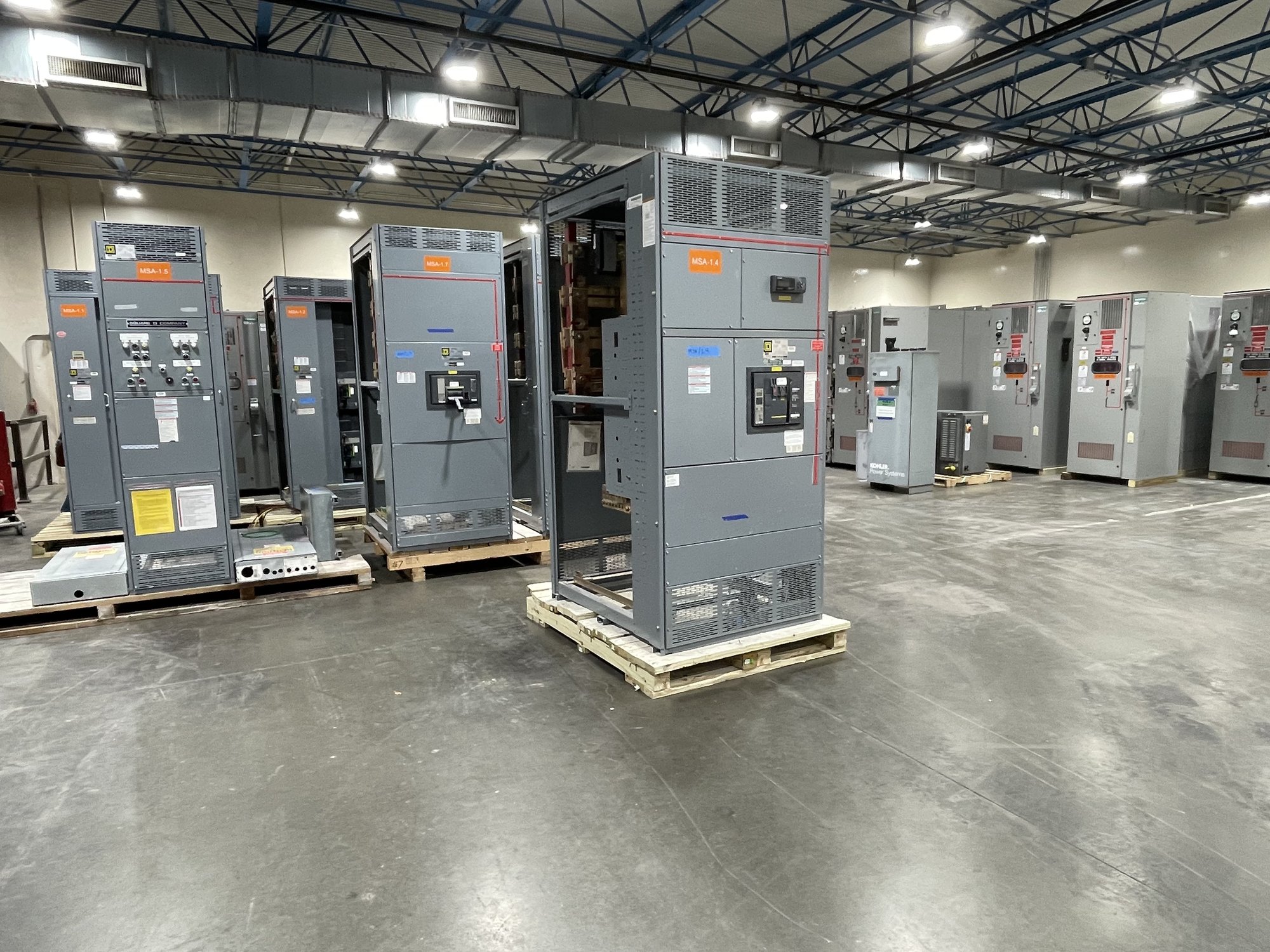
Set a visit objective tied to the project
Start with the specific decision the visit should support. The purpose might be to review a proposed switchboard arrangement, confirm how specified sections and accessories are represented, observe an agreed test, or close questions that affect purchasing approval. Share the project stage and the documents currently governing the equipment so the meeting can focus on relevant details rather than assumptions.
Identify what is included in the manufacturer’s scope and what remains by others. Clarify whether the visit concerns a UL 891 switchboard assembly, another switchgear configuration, or a defined portion of a larger electrical system. UL 891 applies to switchboards; it should not be treated as a blanket listing for medium- or high-voltage switchgear. Confirm the applicable equipment standard and review basis for the actual scope.
Bring the documents that drive decisions
Provide the current one-line diagram, equipment schedule, specification sections, and relevant layout or interface drawings before the visit. Mark unresolved items, revisions, and deviations instead of sending documents without context. Useful questions include which incoming and outgoing arrangements are required, what metering or protective functions are specified, how control power is addressed, and which cable entry, termination, or connection details affect the assembly.
Discuss ratings and coordination needs with the responsible project engineer. Share the system voltage, available fault-current information, required interrupting or short-circuit ratings, and protection requirements only as established for the project. Ask which assumptions still need confirmation and who owns them. Do not use a factory discussion as a substitute for engineering review of system studies, drawings, or authority requirements.
Separate purchasing choices from design approvals
Use the meeting to identify choices that procurement can resolve and those that require an engineer’s decision. Commercial decisions may include the requested configuration, documentation package, delivery destination, and schedule priorities. Technical approvals may involve ratings, protective-device selections, bus arrangements, enclosure details, or interfaces with upstream and downstream equipment. Record the decision owner and required approval for each open item.
For a quote, share the equipment scope, governing specifications and drawings, required quantities, requested options, project schedule, and Georgia delivery location. Include known site access or receiving constraints, such as appointment requirements, unloading responsibility, or limits on delivery vehicles. These details help establish a useful scope and logistics plan; availability, configuration, and timing are confirmed for each order.
Agree on witness testing before scheduling
If the project calls for witness testing, define its purpose and boundaries before arranging the visit. Identify the equipment or sections involved, the tests to be observed, the governing procedure or acceptance criteria, required instruments or records, and the project representatives who have authority to witness or accept results. Ask the manufacturer to confirm what can be demonstrated for the specific assembly and what documentation will be available.
Distinguish routine production checks, specified acceptance activities, and any separately requested test. Agree on how test exceptions will be logged, who will evaluate them, and whether a repeat demonstration or written disposition is required. A witness visit does not by itself establish system suitability, field installation compliance, or approval by an authority. Those determinations remain subject to the responsible engineering and review process.
Plan attendees, access, and visit records
Keep attendance focused on people who can answer technical questions or make project decisions. A practical group may include the electrical engineer, contractor representative, facilities or commissioning lead, and procurement manager. Confirm the visit format, available time, access requirements, and any restrictions on photography or handling documents in advance. Visitors should follow site instructions and must not operate or touch equipment unless specifically authorized and qualified.
Choose a note-taker and use a shared issue log organized by question, decision, owner, and due date. Capture drawing numbers and revisions discussed, test observations, unresolved exceptions, and any documents promised after the visit. Separate observations from approvals so a comment made during a walkthrough is not mistaken for a formally accepted design change or purchasing authorization.
Close the loop for Georgia delivery
Before the visit ends, read back the open items and confirm who will issue each response. Afterward, circulate a concise record with the visit date, attendees, documents reviewed, test results or observations, decisions, exceptions, and next actions. Route technical changes through the project’s established drawing and approval process, then ensure procurement uses the current approved scope when confirming the order and delivery plan.
For Georgia projects, connect the visit record to the destination and receiving plan: verify the delivery address, site contact, access constraints, unloading arrangements, and requested delivery window with the project team. Ask for a visit when a defined question or agreed test can materially advance the order, and send the current project documents and question list first. That preparation makes follow-up clearer and helps keep engineering, purchasing, and delivery aligned.